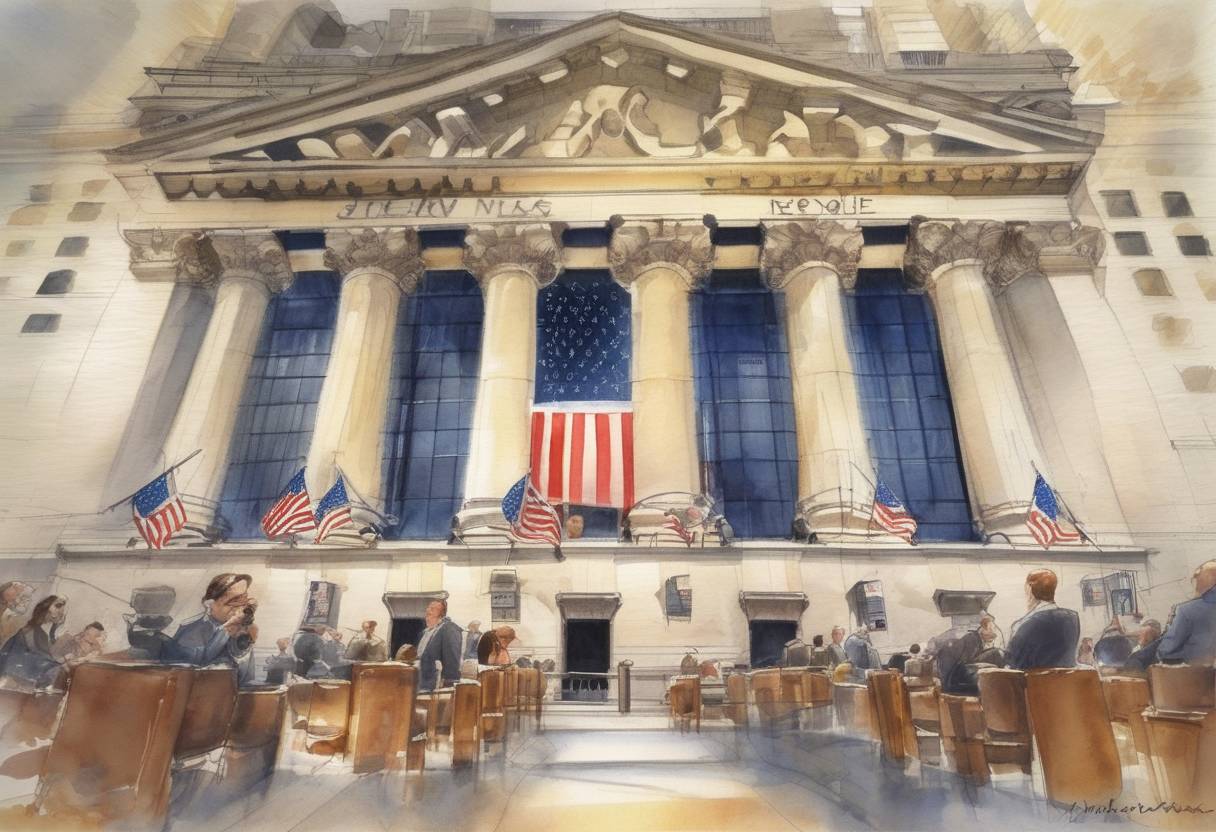
The Reopening of the New York Stock Exchange on September 17, 2001
On September 17, 2001, the New York Stock Exchange (NYSE) reopened for trading after an unprecedented four-day closure following the terrorist attacks on September 11, 2001. This marked the longest shutdown of the NYSE since the Great Depression.
Context and Background
September 11, 2001 Attacks: On the morning of September 11, 2001, terrorists hijacked four commercial airplanes, crashing two into the Twin Towers of the World Trade Center in New York City, one into the Pentagon in Arlington, Virginia, and the fourth, United Airlines Flight 93, into a field in Pennsylvania after passengers attempted to regain control. The attacks resulted in the collapse of the Twin Towers and significant loss of life, causing widespread devastation and chaos.
Immediate Aftermath: In the wake of the attacks, the NYSE, located just blocks away from the World Trade Center, was closed as a precautionary measure and due to the destruction and disruption in the area. The closure was necessary to ensure the safety of the financial district and to allow for recovery and security assessments.
The Reopening
Preparations: In the days following the attacks, efforts were made to restore infrastructure and ensure the security of the financial district. This included clearing debris, restoring communication lines, and implementing enhanced security measures.
Market Reactions: When the NYSE reopened on September 17, 2001, it was a significant moment for the financial markets and the nation. The reopening was seen as a symbol of resilience and determination to maintain economic stability in the face of adversity.
Market Performance: On the first day of trading, the Dow Jones Industrial Average fell 684 points, or about 7.1%, marking one of the largest single-day declines in history at that time. The market continued to experience volatility in the days that followed, reflecting investor uncertainty and the broader economic impact of the attacks.
Broader Historical Significance
Economic Impact: The reopening of the NYSE was a crucial step in stabilizing the U.S. economy. The attacks had far-reaching economic consequences, affecting various sectors, particularly airlines and insurance, and leading to increased government spending on security and defense.
Symbol of Resilience: The resumption of trading was widely regarded as a testament to the resilience of the American financial system and the determination to recover and rebuild after the attacks.
Long-term Changes: The events of September 11 led to significant changes in security protocols and emergency preparedness within the financial industry. It also prompted discussions about the vulnerability of financial centers and the need for robust contingency planning.
The reopening of the NYSE on September 17, 2001, remains a pivotal moment in the history of American finance, symbolizing both the immediate challenges and the enduring strength of the nation’s economic institutions in the face of tragedy.