Voyager 2's Closest Approach to Neptune - August 24, 1989
1989 · Neptune (space), United States
The Voyager 2 spacecraft made its closest approach to Neptune, providing humanity with its first detailed images of the planet.
August 25, 1989
The Voyager 2 spacecraft made its closest approach to Neptune, providing humanity with its first close-up images of the planet and its moons.
Neptune (space), United States | NASA
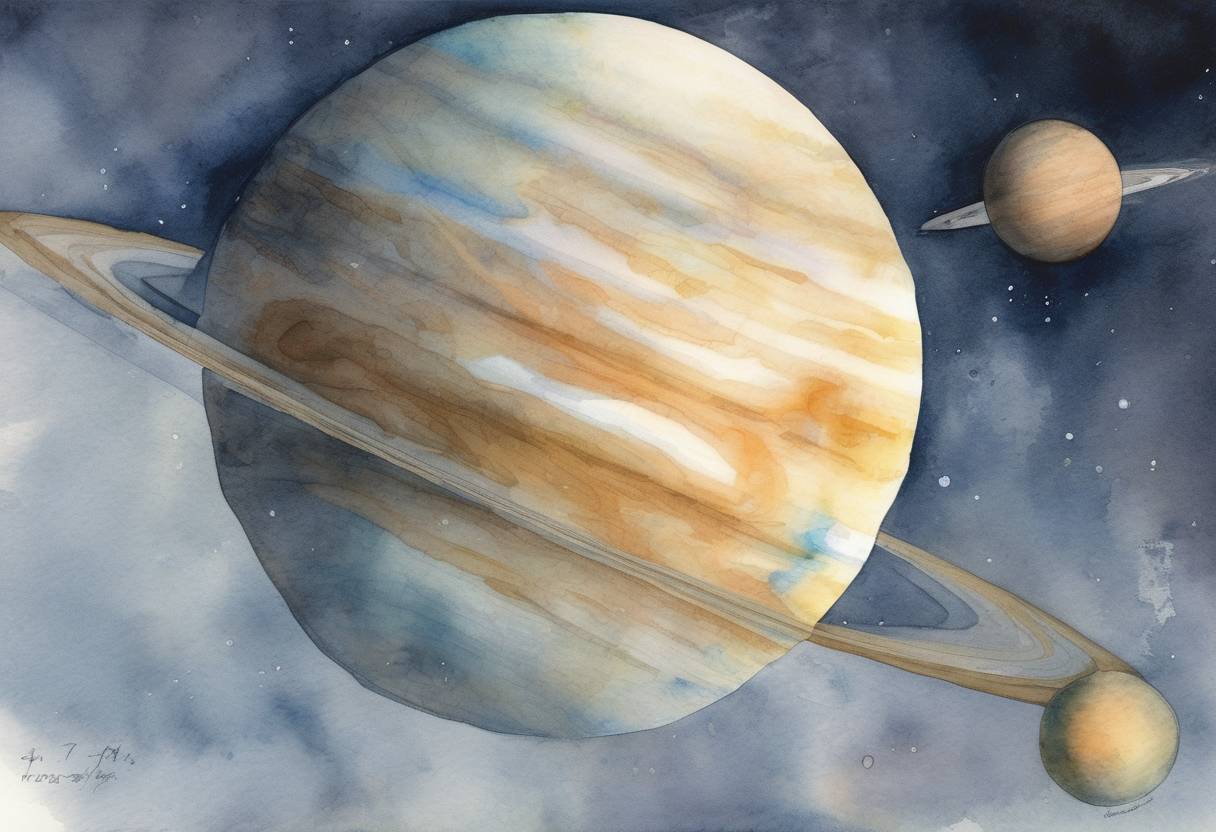
On August 25, 1989, NASA’s Voyager 2 spacecraft made its closest approach to Neptune, marking a significant milestone in space exploration. This event provided humanity with its first close-up images and data of the distant planet and its moons, greatly enhancing our understanding of the outer solar system.
Voyager 2 was launched on August 20, 1977, as part of NASA’s Voyager program, which aimed to explore the outer planets of the solar system. The spacecraft was designed to take advantage of a rare planetary alignment that occurs once every 176 years, allowing it to use gravitational assists to visit multiple planets.
Before reaching Neptune, Voyager 2 had already conducted successful flybys of Jupiter (1979), Saturn (1981), and Uranus (1986), sending back invaluable data and images that transformed our knowledge of these gas giants and their moons.
The data and images sent back by Voyager 2 during its Neptune flyby significantly advanced our understanding of the planet and its moons. The mission’s success demonstrated the effectiveness of using gravitational assists for deep space exploration and set the stage for future missions to the outer solar system.
Voyager 2’s encounter with Neptune marked the last planetary flyby of the Voyager program. After this, the spacecraft continued its journey into interstellar space, where it remains operational, sending back data about the heliosphere and beyond.
The Voyager missions, particularly Voyager 2’s flyby of Neptune, have had a lasting impact on planetary science and space exploration. They provided a wealth of information that continues to inform current and future missions, such as the New Horizons mission to Pluto and the Kuiper Belt.
In summary, Voyager 2’s closest approach to Neptune on August 25, 1989, was a landmark event in space exploration, offering humanity its first detailed glimpse of the distant planet and expanding our understanding of the solar system’s outer reaches.
Source: en.wikipedia.org