NASA's OSIRIS-REx Mission Launch on September 8, 2016
2016 · Cape Canaveral, United States
NASA launched the OSIRIS-REx spacecraft, its first mission to return samples from an asteroid, specifically Bennu, to Earth.
November 19, 2013
NASA launches the MAVEN spacecraft to study the Martian atmosphere, aiming to understand the planet's climate history and potential habitability.
Cape Canaveral, United States | NASA
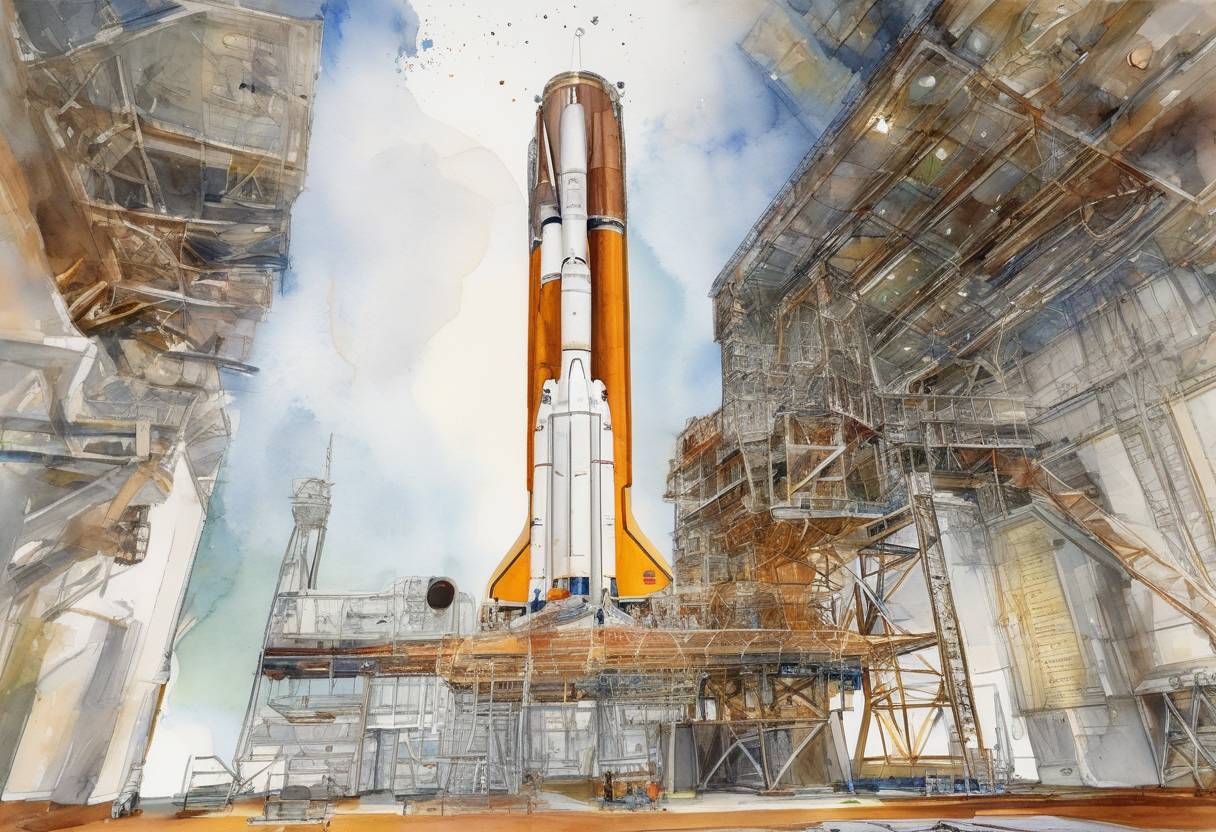
On November 18, 2013, NASA successfully launched the Mars Atmosphere and Volatile EvolutioN (MAVEN) spacecraft from Cape Canaveral Air Force Station in Florida. The mission marked a significant step in understanding the Martian atmosphere and its evolution, with the ultimate goal of uncovering the planet’s climate history and assessing its potential habitability.
MAVEN was designed to investigate the upper atmosphere of Mars, focusing on how the planet’s climate has changed over time. The mission aimed to answer critical questions about the loss of atmospheric gases to space, which is believed to have played a significant role in transforming Mars from a warm, wet planet to the cold, arid world we see today.
Key objectives of the MAVEN mission included:
The MAVEN spacecraft was launched aboard an Atlas V 401 rocket. The launch was executed flawlessly, setting MAVEN on a trajectory to reach Mars after a 10-month journey through space. The spacecraft was equipped with a suite of scientific instruments designed to carry out its mission objectives.
MAVEN carried eight scientific instruments grouped into three packages:
MAVEN entered Mars’ orbit on September 21, 2014. Since then, it has provided invaluable data that has enhanced our understanding of the Martian atmosphere and its evolution. The findings from MAVEN have helped scientists piece together the history of water on Mars and assess the planet’s past habitability.
The MAVEN mission has contributed significantly to our understanding of planetary atmospheres and the processes that can lead to atmospheric loss. Its findings have implications not only for Mars but also for understanding the atmospheres of other planets, including Earth.
By studying Mars’ climate history, MAVEN has helped lay the groundwork for future exploration and the ongoing search for life beyond Earth. The mission continues to be a cornerstone of NASA’s Mars exploration program, providing data that informs both current and future missions to the Red Planet.
Source: en.wikipedia.org