The End of the Falklands War: June 14, 1982
1982 · Stanley, Falkland Islands
The Falklands War ends as British forces retake the islands from Argentina.
May 2, 1982
During the Falklands War, the British submarine HMS Conqueror sank the Argentine cruiser ARA General Belgrano, leading to significant loss of life and escalating the conflict.
South Atlantic Ocean, N/A | Royal Navy
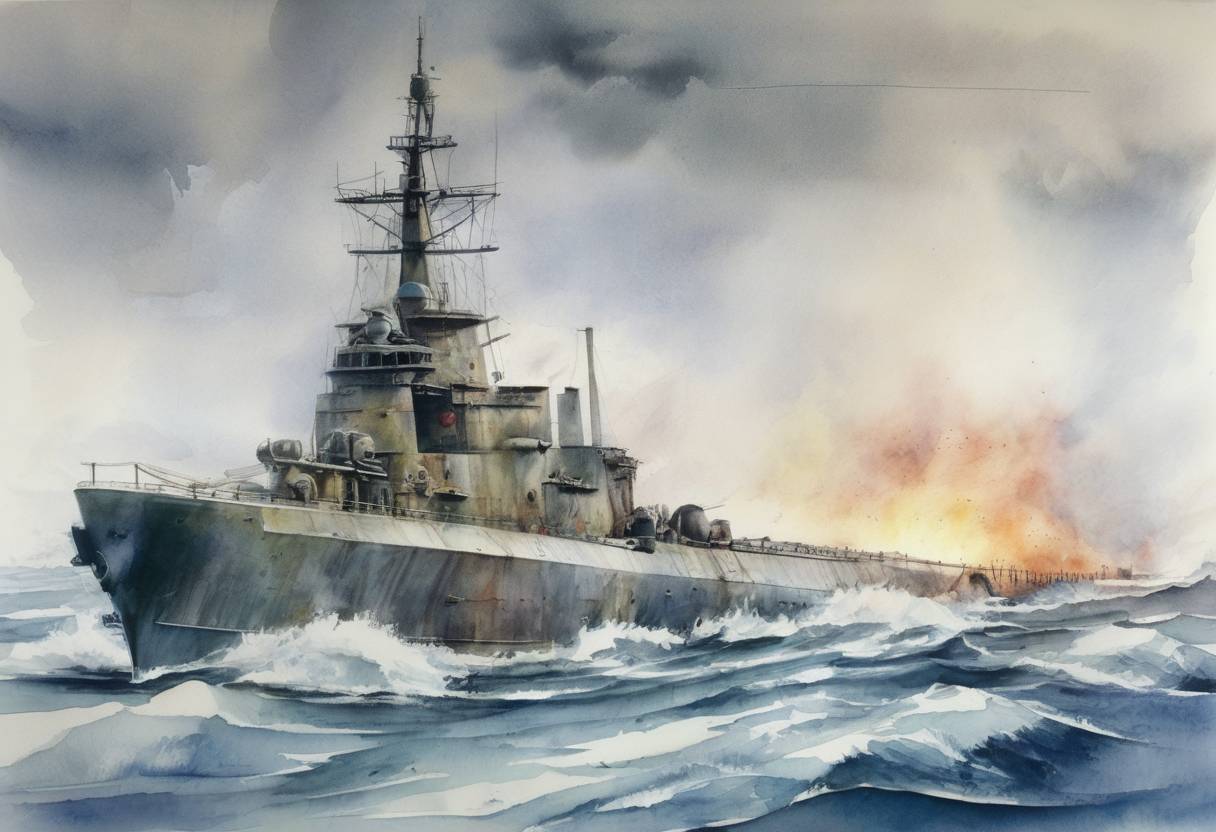
On May 2, 1982, during the Falklands War, the British submarine HMS Conqueror sank the Argentine cruiser ARA General Belgrano. This event marked a significant escalation in the conflict between the United Kingdom and Argentina over the disputed Falkland Islands.
The Falklands War began on April 2, 1982, when Argentina invaded the Falkland Islands, a British Overseas Territory in the South Atlantic. The conflict arose from a long-standing sovereignty dispute, with both nations claiming ownership of the islands. The British government, led by Prime Minister Margaret Thatcher, responded by dispatching a naval task force to reclaim the islands.
HMS Conqueror: A nuclear-powered submarine of the Royal Navy, HMS Conqueror was part of the British task force sent to the South Atlantic. It was tasked with patrolling the waters around the Falklands and engaging Argentine naval forces if necessary.
ARA General Belgrano: Originally launched as USS Phoenix, a Brooklyn-class light cruiser, it was transferred to Argentina in 1951. At the time of the conflict, it was one of the largest ships in the Argentine Navy.
On May 2, HMS Conqueror detected the ARA General Belgrano outside the exclusion zone declared by the British around the Falklands. Despite its location outside the zone, the British government authorized an attack, citing the threat posed by the cruiser to British forces.
HMS Conqueror fired three torpedoes, two of which struck the General Belgrano. The cruiser quickly began to sink, resulting in the loss of 323 Argentine sailors, a significant portion of Argentina’s total casualties in the war.
Escalation of Conflict: The sinking of the General Belgrano was a turning point in the Falklands War. It eliminated a major threat to the British naval forces and demonstrated the effectiveness of British military capabilities.
Political Repercussions: The attack was controversial, both domestically and internationally. Critics argued that the cruiser was outside the exclusion zone and heading away from the conflict area. However, the British government defended the decision as a necessary military action.
Impact on Argentine Strategy: The loss of the General Belgrano led the Argentine Navy to withdraw its remaining surface fleet to port, effectively ceding control of the sea to the British. This allowed British forces to focus on land operations to retake the islands.
The sinking of the ARA General Belgrano remains one of the most debated actions of the Falklands War. It highlighted the complexities of naval warfare and the challenges of decision-making in conflict situations. The event underscored the strategic importance of naval power and its influence on the outcome of military engagements.
The Falklands War concluded on June 14, 1982, with the surrender of Argentine forces and the return of British control over the islands. The conflict had lasting effects on both nations, influencing military policies and international relations in the years that followed.
Source: en.wikipedia.org