Dissolution of the Soviet Union: December 26, 1991
1991 · Moscow, Russia
The Supreme Soviet of the Soviet Union formally dissolved the Soviet Union, marking the end of the Cold War.
November 6, 1991
The KGB, the Soviet Union's main security agency, was officially dissolved following the failed coup attempt against Mikhail Gorbachev earlier that year.
Moscow, Russia | KGB
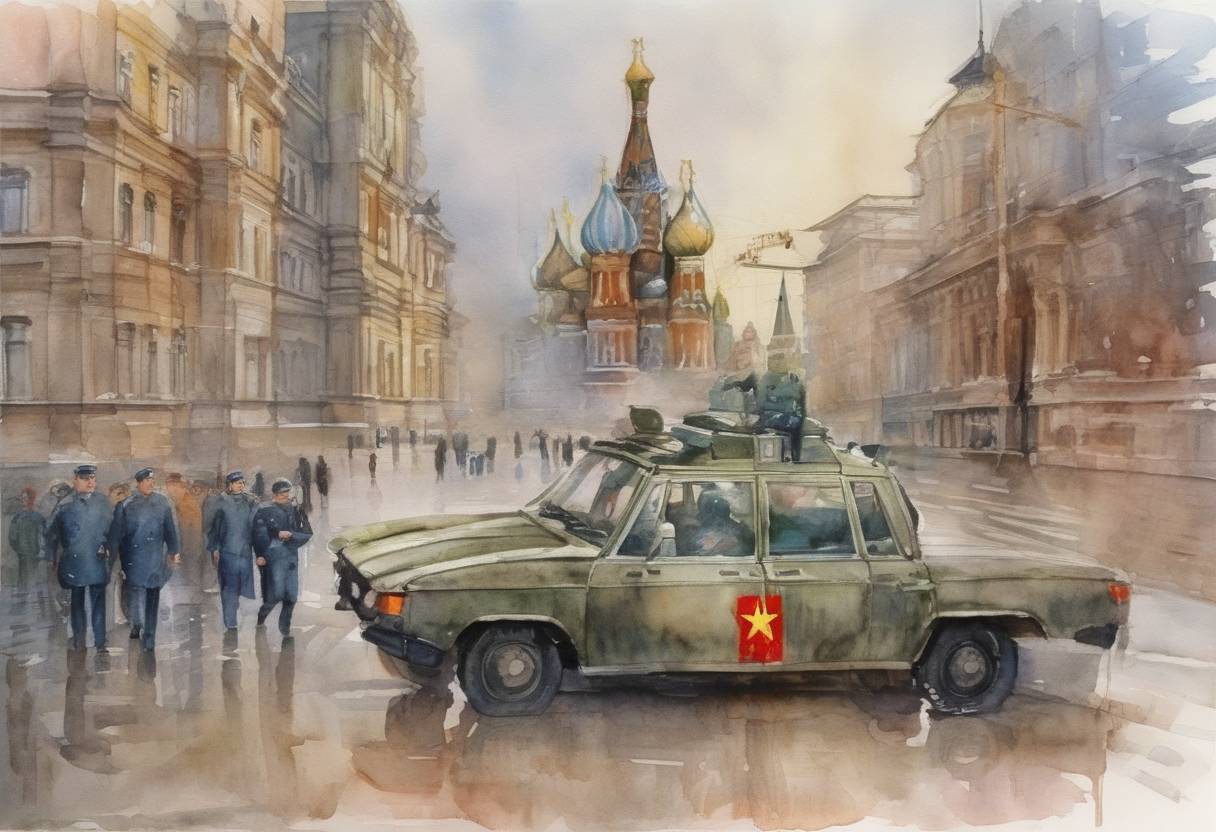
On November 6, 1991, the KGB (Komitet Gosudarstvennoy Bezopasnosti), the Soviet Union’s primary security agency, was officially dissolved. This marked a significant turning point in the history of the Soviet Union, reflecting the broader political transformations occurring in the country during this period.
The KGB was established in 1954 as the main security agency for the Soviet Union, responsible for intelligence, counter-intelligence, and internal security. Over the decades, it became a symbol of Soviet power and control, known for its extensive surveillance and repressive tactics.
The dissolution of the KGB was closely linked to the failed coup attempt against Soviet leader Mikhail Gorbachev in August 1991. A group of hardline Communist Party members and KGB officials, opposed to Gorbachev’s reforms and the decentralization of power, attempted to seize control of the government. The coup ultimately failed due to lack of support and widespread public resistance, particularly in Moscow, where Boris Yeltsin, then president of the Russian Soviet Federative Socialist Republic, played a key role in rallying opposition.
The failure of the coup significantly weakened the Communist Party and accelerated the disintegration of the Soviet Union. It also led to a loss of credibility and power for the KGB, which had been deeply involved in the coup attempt. In the wake of these events, there was a strong push for reform and restructuring of the Soviet security apparatus.
On November 6, 1991, the KGB was officially dissolved by the Soviet government. This decision was part of a broader effort to dismantle the old Soviet structures and create new institutions that would be more transparent and accountable. The dissolution of the KGB was a symbolic and practical step towards reducing the power of the security services and moving away from the oppressive practices of the past.
Following the dissolution, the functions of the KGB were divided among several new agencies. In Russia, the Federal Security Service (FSB) and the Foreign Intelligence Service (SVR) were established to handle domestic security and foreign intelligence, respectively. These changes were intended to create a more modern and less intrusive security apparatus.
The dissolution of the KGB marked the end of an era in Soviet history. It was a clear indication of the shifting political landscape and the move towards greater openness and reform. The event also highlighted the challenges of transitioning from a centralized, authoritarian system to a more democratic and decentralized governance structure.
The dismantling of the KGB was part of the broader collapse of the Soviet Union, which officially dissolved in December 1991. This period was characterized by significant political, economic, and social upheaval, as former Soviet republics gained independence and began to establish their own national identities.
In summary, the dissolution of the KGB on November 6, 1991, was a pivotal moment in the decline of Soviet power and the emergence of a new political order in Eastern Europe and beyond.
Source: www.britannica.com