Samuel Colt and the Patent of the Colt Revolver
1836 · Washington, D.C., United States
Samuel Colt received a United States patent for the Colt revolver, a firearm that would become a significant tool in the American West and military history.
November 5, 1895
George B. Selden was granted the first U.S. patent for an automobile.
Washington, D.C., United States | United States Patent Office
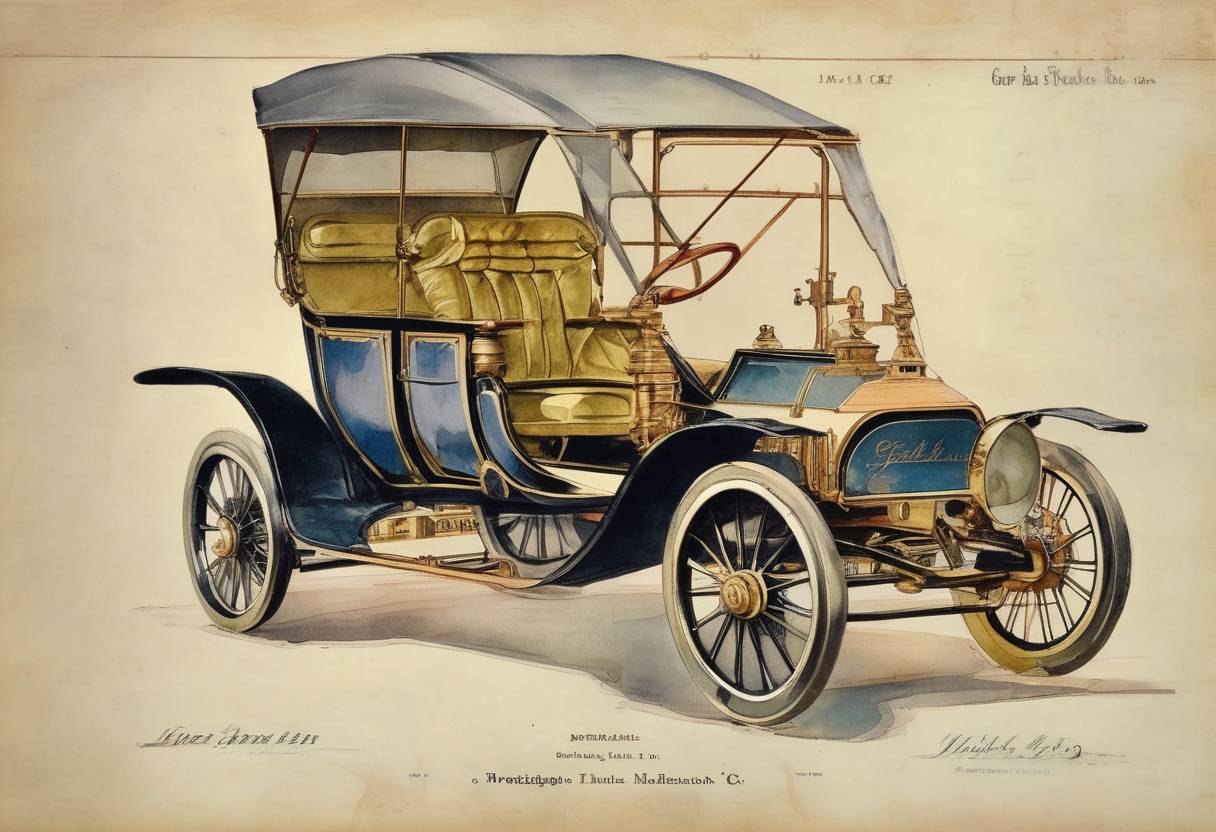
On November 5, 1895, George B. Selden was granted U.S. Patent No. 549,160 for an “improved road engine,” which is widely recognized as the first U.S. patent for an automobile. This event marked a significant milestone in the history of automotive development, setting the stage for the burgeoning automobile industry in the United States.
George Baldwin Selden was a patent attorney and inventor from Rochester, New York. His interest in automobiles was sparked by the internal combustion engine, a relatively new technology at the time. Selden envisioned a vehicle powered by a lightweight, efficient engine, which led him to file a patent application on May 8, 1879.
Selden’s patent application was strategically delayed for 16 years, a tactic he employed by filing numerous amendments to his original application. This allowed him to keep the patent pending while the technology and market for automobiles developed. By the time the patent was granted in 1895, the automotive industry was on the cusp of rapid expansion.
The patent described a “road engine” powered by a “liquid-hydrocarbon engine of the compression type,” which was a precursor to the modern gasoline engine. Selden’s design included several key components that would become standard in automobiles, such as a frame, wheels, and a steering mechanism.
Selden’s patent had a profound impact on the early automotive industry. He formed the Selden Motor Vehicle Company and licensed his patent to manufacturers, collecting royalties from those who wished to produce automobiles in the United States. This led to significant legal battles, most notably with Henry Ford, who challenged the validity of Selden’s patent.
In 1911, after a lengthy court case, the patent was upheld but with a narrow interpretation that limited its scope. This decision allowed Ford and other manufacturers to continue producing vehicles without paying royalties to Selden.
The granting of Selden’s patent is a pivotal moment in automotive history. It highlights the complexities of intellectual property rights during the industrial age and underscores the challenges inventors faced in protecting their innovations. While Selden’s actual contribution to automobile technology was limited, his patent played a crucial role in shaping the legal and commercial landscape of the early automotive industry.
Selden’s story is a testament to the interplay between invention, entrepreneurship, and the legal system, illustrating how these elements can influence technological progress and industry dynamics.
Source: en.wikipedia.org