Indonesia Declares Independence: August 17, 1945
1945 · Jakarta, Indonesia
Indonesia declares its independence from the Netherlands, with Sukarno and Mohammad Hatta proclaiming the country's independence.
September 30, 1965
A failed coup in Indonesia led to a violent anti-communist purge, resulting in the deaths of an estimated 500,000 people.
Jakarta, Indonesia | Indonesian Army
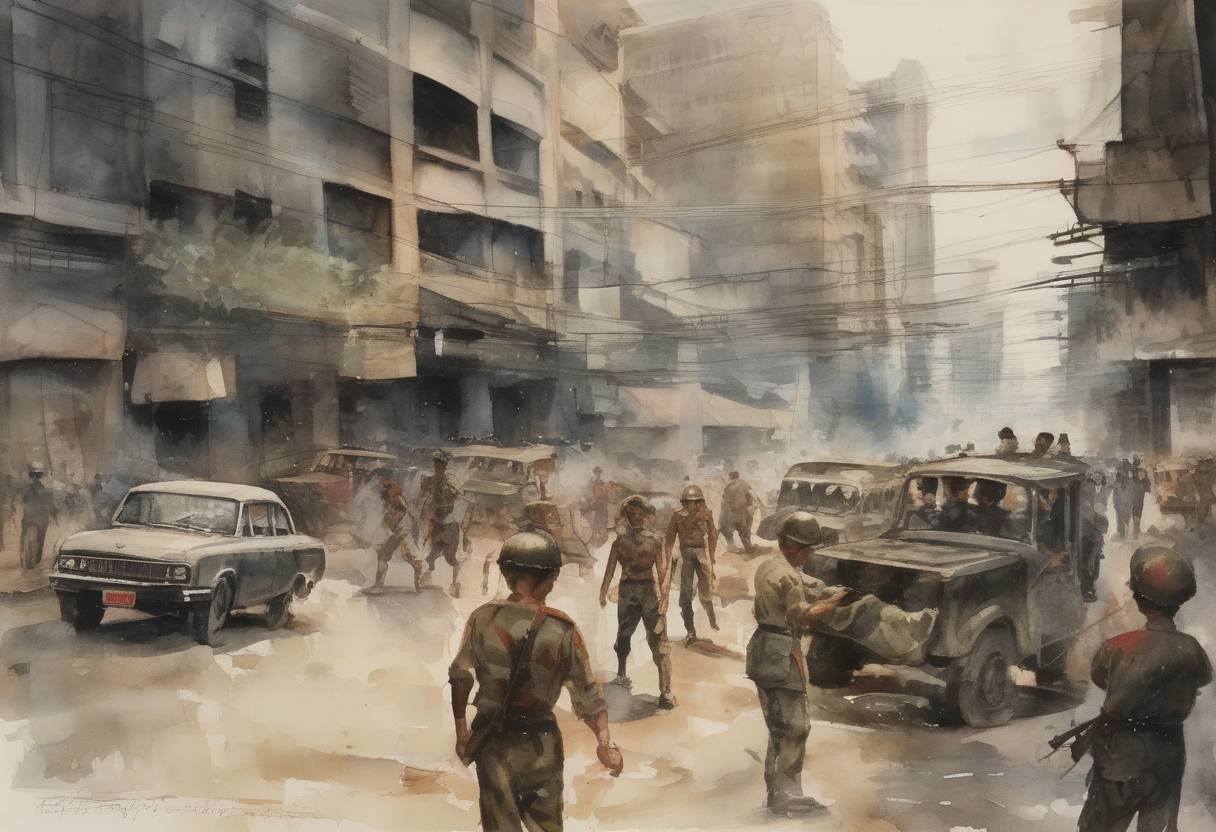
On September 30, 1965, Indonesia experienced a significant political upheaval that led to a violent anti-communist purge, resulting in the deaths of an estimated 500,000 people. This event marked a pivotal moment in Indonesian history, reshaping its political landscape and international relations.
In the early 1960s, Indonesia was under the leadership of President Sukarno, who had established a policy of “Guided Democracy.” Sukarno’s administration was characterized by its balancing act between the Indonesian Communist Party (PKI), the military, and nationalist groups. The PKI was one of the largest communist parties in the world outside the Soviet Union and China, and its growing influence was a source of tension within the country.
On the night of September 30, 1965, a group of military officers calling themselves the “30 September Movement” (Gerakan 30 September, or G30S) attempted a coup. They kidnapped and killed six senior army generals, claiming they were part of a “Council of Generals” planning a coup against Sukarno. The movement quickly seized control of key locations in Jakarta, the capital.
The coup attempt was swiftly countered by Major General Suharto, who took control of the army and led efforts to suppress the G30S. By October 1, the coup had been effectively quashed. Suharto’s forces blamed the PKI for the coup attempt, although the extent of the party’s involvement remains a subject of historical debate.
In the months that followed, a brutal anti-communist purge swept across Indonesia. The military, along with civilian militias, targeted suspected communists and sympathizers. This campaign of violence resulted in the deaths of an estimated 500,000 people, with some estimates suggesting even higher numbers. The purge also led to the imprisonment of hundreds of thousands more.
Political Shift: The failed coup and subsequent purge led to a significant shift in Indonesian politics. President Sukarno’s power waned, and by 1967, Suharto had effectively taken control, eventually becoming the country’s president. This marked the beginning of the “New Order” regime, which lasted until 1998.
International Relations: The purge and the rise of Suharto were viewed favorably by Western countries, particularly the United States and the United Kingdom, who saw it as a victory against communism during the Cold War.
Human Rights Impact: The events of 1965-1966 left a lasting scar on Indonesian society. The mass killings and imprisonments have been described as one of the worst mass murders of the 20th century. The topic remained sensitive in Indonesia for decades, with survivors and victims’ families seeking recognition and justice.
The events of September 30, 1965, and the subsequent anti-communist purge significantly altered Indonesia’s political and social fabric. It marked the end of Sukarno’s era and the beginning of Suharto’s authoritarian rule, which would last for over three decades. The purge also had a profound impact on Indonesia’s cultural and intellectual life, as many artists, writers, and intellectuals were targeted during the crackdown.
The historical narrative of these events continues to be a subject of research and debate, with ongoing discussions about accountability and reconciliation within Indonesia.
Source: en.wikipedia.org