The ICC Issues Arrest Warrant for Muammar Gaddafi
2011 · The Hague, Netherlands
The International Criminal Court issues an arrest warrant for Libyan leader Muammar Gaddafi for crimes against humanity.
July 16, 2009
The International Criminal Court issued an arrest warrant for Sudanese President Omar al-Bashir on charges of genocide in Darfur, marking the first time the ICC charged a sitting head of state with genocide.
The Hague, Netherlands | International Criminal Court
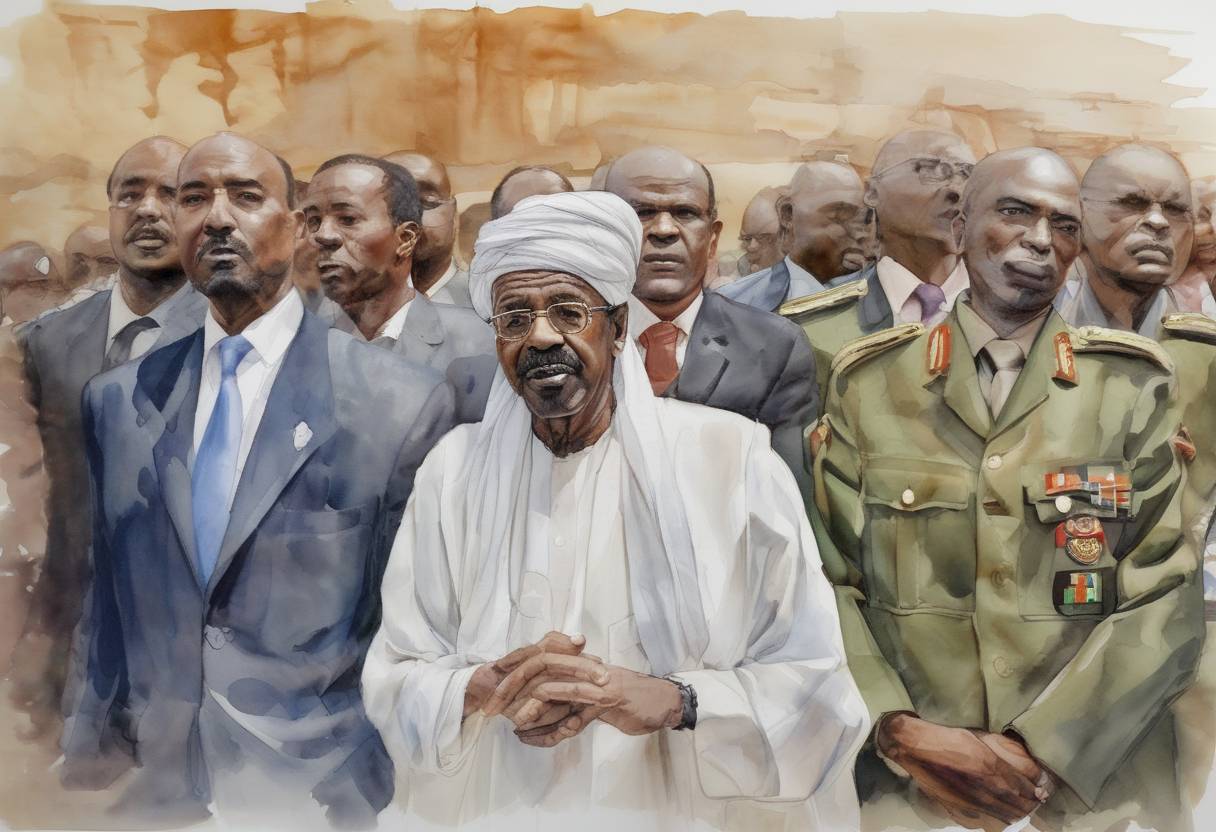
On July 16, 2009, the International Criminal Court (ICC) made a historic decision by issuing an arrest warrant for Sudanese President Omar al-Bashir. This marked the first time the ICC charged a sitting head of state with genocide, a significant milestone in international law and justice.
The charges against Omar al-Bashir stemmed from the conflict in the Darfur region of Sudan, which began in 2003. The conflict involved the Sudanese government and its allied militia, known as the Janjaweed, against various rebel groups. The violence led to widespread atrocities, including mass killings, rape, and displacement of civilians. The United Nations estimated that the conflict resulted in the deaths of hundreds of thousands and displaced millions.
The ICC’s arrest warrant for al-Bashir included charges of:
The issuance of the arrest warrant was a landmark moment for the ICC and international justice. It underscored the court’s commitment to holding individuals accountable for the most serious crimes, regardless of their position or power. The decision was seen as a warning to other leaders that they could face prosecution for similar crimes.
Despite the warrant, Omar al-Bashir remained in power until he was ousted in a coup in April 2019. During his presidency, he traveled to several countries without being arrested, as some nations were not signatories to the Rome Statute, which established the ICC, and thus were not obligated to comply with the warrant.
The case highlighted challenges in enforcing international justice, particularly when it involves high-ranking officials. It also sparked debates about the ICC’s role and effectiveness, especially in regions where political and diplomatic considerations often complicate legal processes.
The ICC’s actions against al-Bashir contributed to ongoing discussions about international law, sovereignty, and the mechanisms available to address crimes against humanity. It also emphasized the need for global cooperation in enforcing international justice and protecting human rights.
In summary, the ICC’s arrest warrant for Omar al-Bashir on July 16, 2009, was a pivotal moment in the pursuit of international justice, setting a precedent for how the world addresses genocide and crimes against humanity.
Source: www.icc-cpi.int