White Island Volcanic Eruption - December 8, 2019
2019 · Whakaari / White Island, New Zealand
A volcanic eruption occurred on White Island in New Zealand, resulting in 22 deaths and numerous injuries among tourists and guides present on the island.
May 3, 2018
The eruption of Kīlauea volcano in Hawaii begins, leading to the destruction of hundreds of homes and the evacuation of thousands of residents.
Hawaii, United States | Hawaiian Volcano Observatory
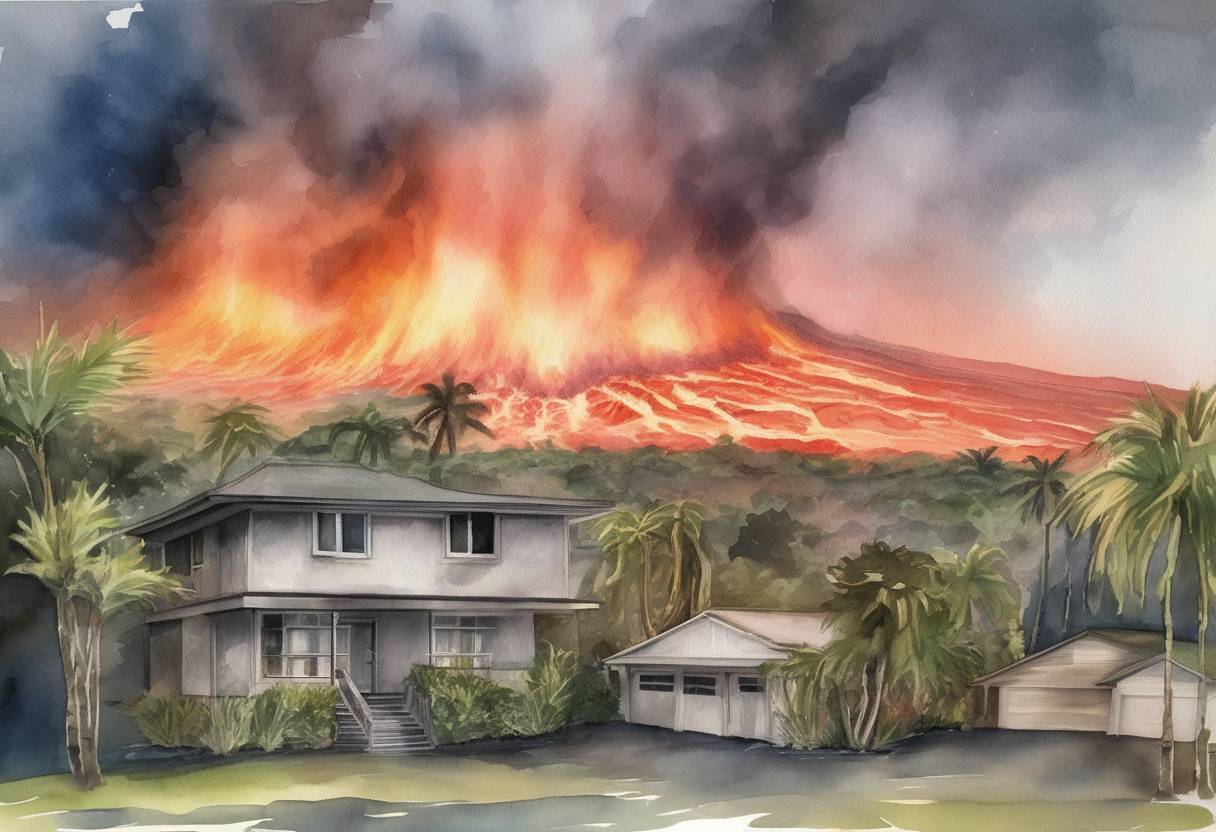
On May 3, 2018, the Kīlauea volcano, one of the most active volcanoes in the world, began a significant eruption on the Big Island of Hawaii. This event marked the start of a series of eruptions and seismic activities that would lead to widespread destruction and significant impacts on the local community.
Kīlauea, located on the southeastern part of the Big Island, has been in a state of nearly continuous eruption since 1983. However, the 2018 eruption was particularly notable for its intensity and the extent of its impact. Prior to the eruption, increased seismic activity and ground deformation were observed, indicating that magma was moving beneath the surface.
May 3, 2018: The eruption began in the Leilani Estates subdivision, a residential area in the Puna District. Fissures opened in the ground, releasing lava and toxic gases, prompting immediate evacuations.
Lava Flows: Over the following weeks, lava flows from multiple fissures destroyed hundreds of homes and covered roads, cutting off access to some areas. The lava eventually reached the ocean, creating new land but also producing hazardous laze (lava haze) as it interacted with seawater.
Evacuations: Thousands of residents were evacuated from affected areas. Emergency shelters were established, and the National Guard was deployed to assist with evacuations and security.
Seismic Activity: The eruption was accompanied by frequent earthquakes, including a magnitude 6.9 quake on May 4, which was the largest to hit Hawaii since 1975. These earthquakes caused additional damage and contributed to the instability of the region.
Destruction: By the time the eruption subsided in August 2018, over 700 homes had been destroyed, and significant portions of the landscape had been altered. The eruption added approximately 875 acres of new land to the island.
Economic Impact: The eruption had a substantial economic impact, particularly on tourism and local businesses. The closure of Hawaii Volcanoes National Park for several months resulted in a significant loss of revenue.
Community Response: The local community and government agencies worked together to provide relief and support to those affected. Efforts included rebuilding infrastructure, providing housing assistance, and addressing the long-term needs of displaced residents.
The 2018 Kīlauea eruption highlighted the challenges of living in proximity to active volcanoes and underscored the importance of monitoring and preparedness. It also provided valuable scientific data that has contributed to a better understanding of volcanic processes.
In conclusion, the Kīlauea eruption of 2018 was a significant geological event with lasting impacts on the landscape and communities of Hawaii. It serves as a reminder of the dynamic nature of Earth’s geology and the resilience of those who live in its shadow.
Source: www.usgs.gov