1771 · Edinburgh, Scotland
Walter Scott, a renowned Scottish historical novelist and poet who created the historical novel genre, was born.
December 6, 1768
The first edition of the Encyclopædia Britannica was published in Edinburgh, Scotland.
Edinburgh, Scotland | Encyclopædia Britannica
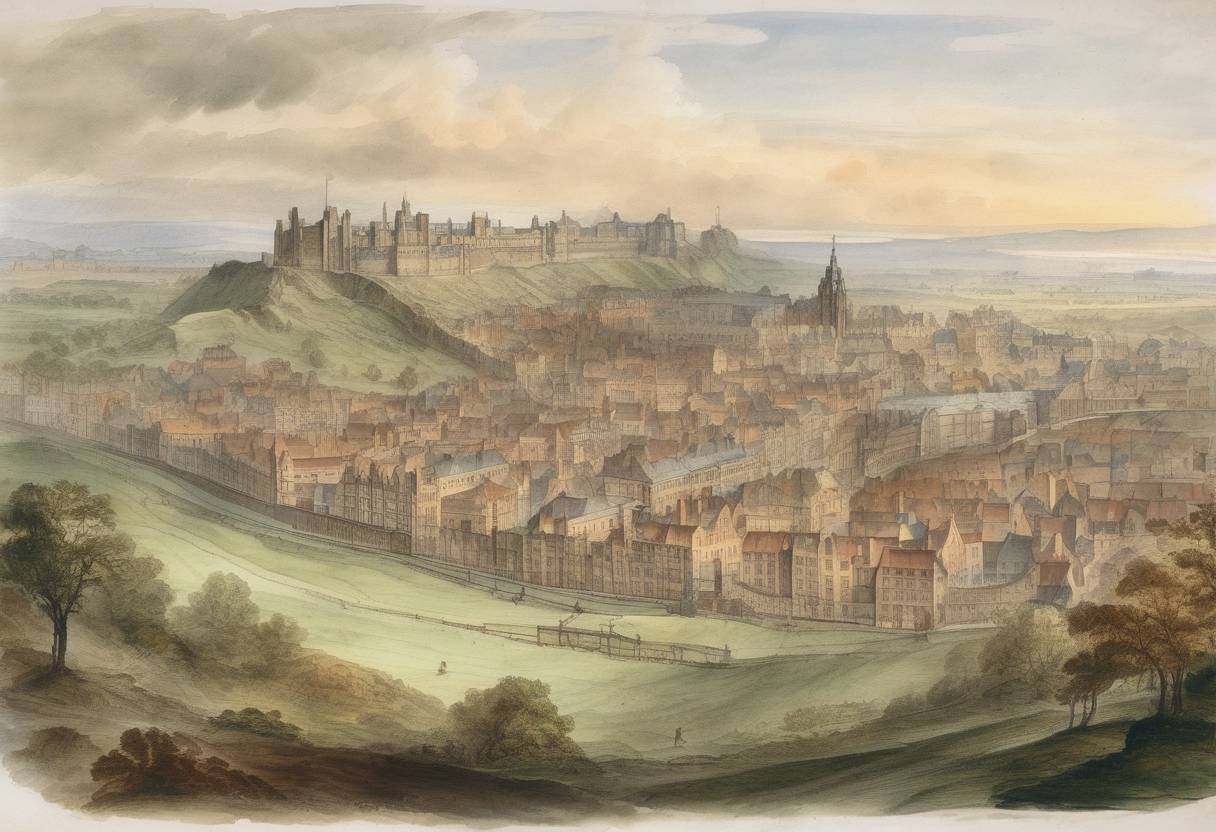
The Encyclopædia Britannica is one of the most renowned and enduring reference works in the English language. Its inception dates back to the Age of Enlightenment, a period characterized by an emphasis on reason, science, and intellectual interchange. The idea for such a comprehensive compendium of knowledge was conceived by Colin Macfarquhar, a printer, and Andrew Bell, an engraver, both based in Edinburgh, Scotland. They were inspired by the success of the French Encyclopédie and sought to create a similar work in English.
The first edition of the Encyclopædia Britannica was published in three volumes between 1768 and 1771. It was a modest beginning, with the initial volume released on December 6, 1768. This edition contained approximately 2,391 pages and 160 copperplate engravings, which were crucial for illustrating complex concepts and machinery.
The first edition was organized alphabetically, a format that has been retained in subsequent editions. It covered a wide range of topics, including natural history, philosophy, and the arts. The entries were written in a clear and accessible style, aiming to educate and inform a broad audience.
The publication of the Encyclopædia Britannica marked a significant milestone in the dissemination of knowledge. It provided a comprehensive and systematic collection of information that was accessible to the general public. The encyclopedia became a valuable resource for scholars, educators, and curious individuals, contributing to the spread of Enlightenment ideals.
Following the success of the first edition, the Encyclopædia Britannica underwent numerous revisions and expansions. It evolved into a multi-volume set with contributions from experts across various fields. Over the centuries, it has remained a trusted source of information, adapting to changes in technology and media, including digital formats in the modern era.
The Encyclopædia Britannica’s enduring legacy is its commitment to providing reliable and authoritative information, a mission that continues to this day. Its first edition laid the foundation for what would become one of the most respected and widely used reference works in the world.
Source: en.wikipedia.org