Issuance of the First U.S. Postage Stamps - July 20, 1847
1847 · Washington D.C., United States
The United States issues the first postage stamps, featuring Benjamin Franklin and George Washington.
January 2, 1893
The U.S. Post Office issues its first commemorative stamp.
Washington D.C., United States | United States Postal Service
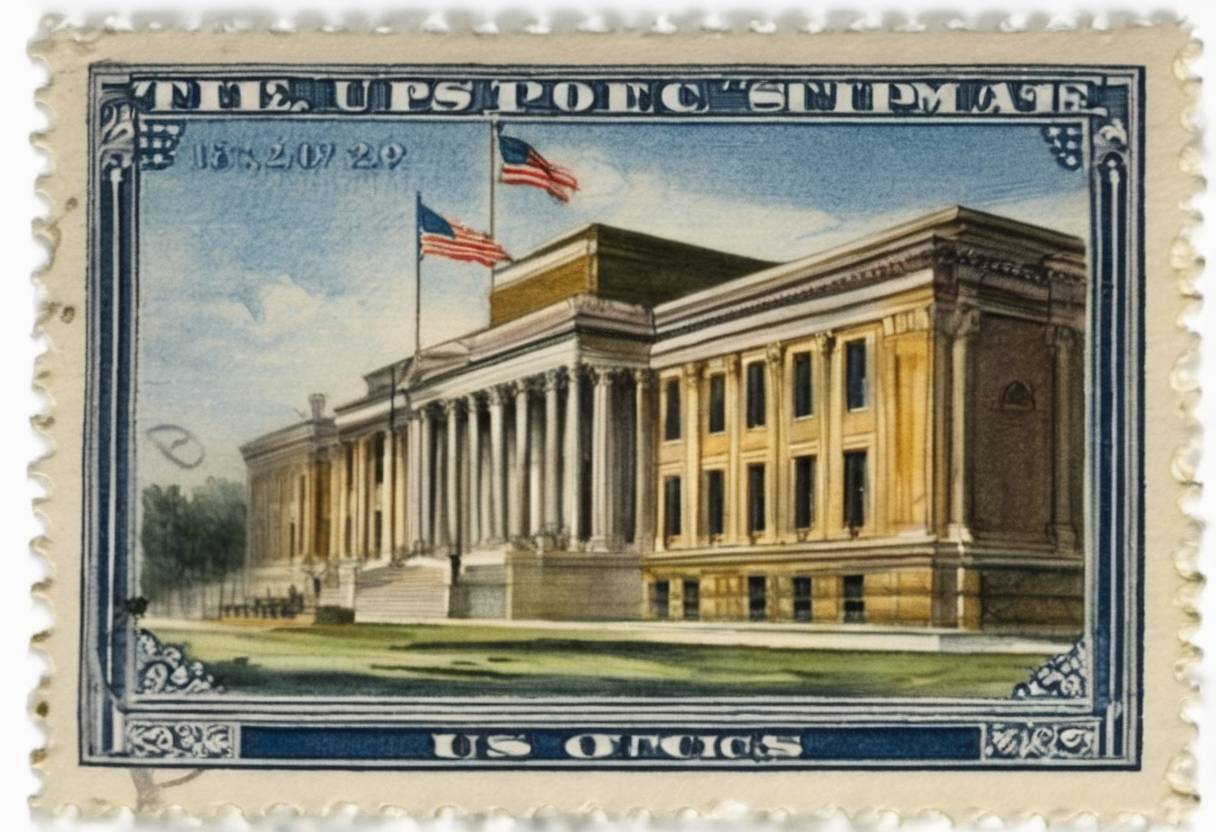
On January 2, 1893, the United States Post Office Department issued its very first commemorative stamp. This event marked the inception of a tradition that would grow immensely popular among both collectors and the general public.
The 19th century was a period of significant development in postal services worldwide, and by the late 1800s, the idea of commemorative postage had already gained traction in several countries. Commemorative stamps are typically issued to honor notable events, anniversaries, or significant individuals, often featuring specially designed artwork and limited editions.
The first U.S. commemorative stamp was issued to celebrate the World’s Columbian Exposition held in Chicago. This event was organized to honor the 400th anniversary of Christopher Columbus’s 1492 voyage to the Americas. The exposition was a landmark event that showcased the advancements and cultural achievements of the era and attracted millions of visitors from around the globe.
The Columbian Issue, as it was called, consisted of 16 stamps with denominations ranging from 1 cent to $5, a significant sum at the time. Each denomination featured different scenes and stories related to Columbus’s voyages and life. The designs included:
The introduction of these commemorative stamps not only brought attention to the Columbian Exposition but also set a precedent for future U.S. postage. They began the tradition of stamp collecting in America, encouraging philatelists and the general public to engage more deeply with postal history.
The Columbian Issue also sparked significant interest due to its intricate designs and the historical significance of the celebration it represented. Although criticized by some at the time for their high cost, these stamps are now considered iconic and are sought after by collectors worldwide.
The issuance of the first U.S. commemorative stamp on January 2, 1893, marked an important cultural moment in American philately. It opened the door for stamps to be used as a means of education, remembrance, and national pride, reflecting pivotal events and figures in history. The success of the Columbian Issue laid the groundwork for numerous subsequent issues celebrating anniversaries, historical milestones, and cultural icons.
Source: about.usps.com