Nikephoros II Phokas Crowned Emperor of the Byzantine Empire
963 · Constantinople, Byzantine Empire
Nikephoros II Phokas is crowned Emperor of the Byzantine Empire.
April 24, 0919
The beginning of the reign of Emperor Constantine VII of the Byzantine Empire, who would rule for several decades, known for his scholarly works and efforts to strengthen the empire through diplomacy and reforms.
Constantinople, Byzantine Empire | Byzantine Empire
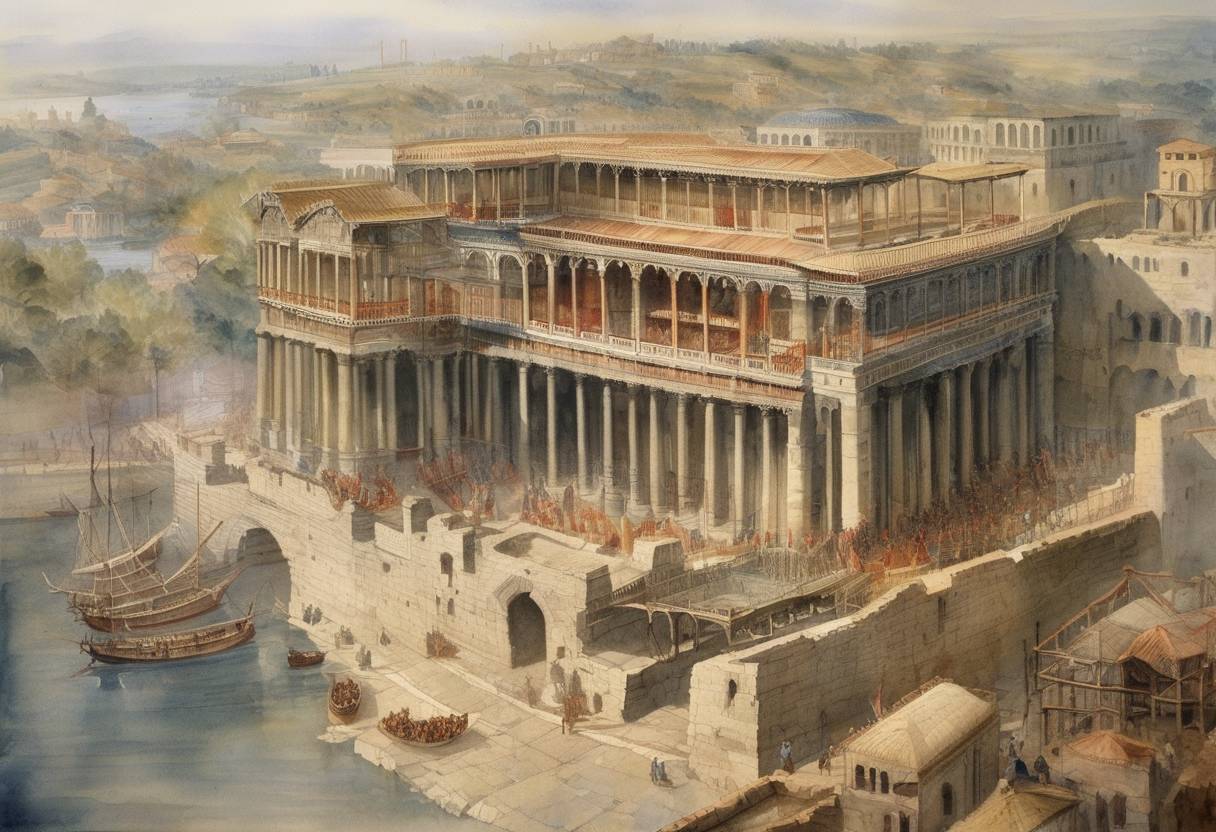
On April 24, 919, Constantine VII began his reign as the Byzantine Emperor, marking the start of a significant era in the history of the Byzantine Empire. Known for his scholarly pursuits and significant contributions to Byzantine literature and administrative reforms, Constantine’s reign is noted for its emphasis on cultural and intellectual revival.
Constantine VII Porphyrogennetos, meaning “born in the purple,” was a title denoting his birth into the imperial family. He was the son of Emperor Leo VI and had been crowned as a co-emperor at a young age in 908. However, his early years were overshadowed by a complex political environment characterized by regencies and power struggles within the imperial court.
The circumstances leading up to Constantine’s assumption of power were marked by political intrigue. Before 919, the Byzantine Empire saw the rise and fall of several regents who ruled on behalf of the young Constantine. The key power during his early years was Romanos Lekapenos, who proclaimed himself co-emperor in 920, effectively ruling as the senior emperor while Constantine was sidelined.
Despite his indirect control in the initial years, Constantine VII’s more autonomous rule in later years is celebrated for significant intellectual contributions and domestic reforms. He was an accomplished scholar and writer, authoring several important works:
Constantine VII is also recognized for his astute diplomatic efforts. His reign saw the strengthening of Byzantine relations with neighboring states, notably through strategic marriages and alliances. These efforts not only secured imperial borders but also promoted economic prosperity and cultural exchange.
His tenure as emperor witnessed the period known as the Macedonian Renaissance, a flourishing of Byzantine culture through art, literature, and renewed classical learning. Even though Constantine faced challenges in asserting his authority due to the powerful regents like Romanos, his impact remains integral to the Byzantine legacy documented through his extensive writings and policies.
The reign of Constantine VII is hence remembered for balancing learned artistry with prudent statecraft, leaving a lasting imprint on Byzantine history and culture.
Source: en.wikipedia.org