Abolition of Slavery in New York State - July 4, 1827
1827 · Albany, United States
Slavery was abolished in New York State.
February 15, 1804
New Jersey becomes the last Northern state to abolish slavery.
Trenton, USA | State Government of New Jersey
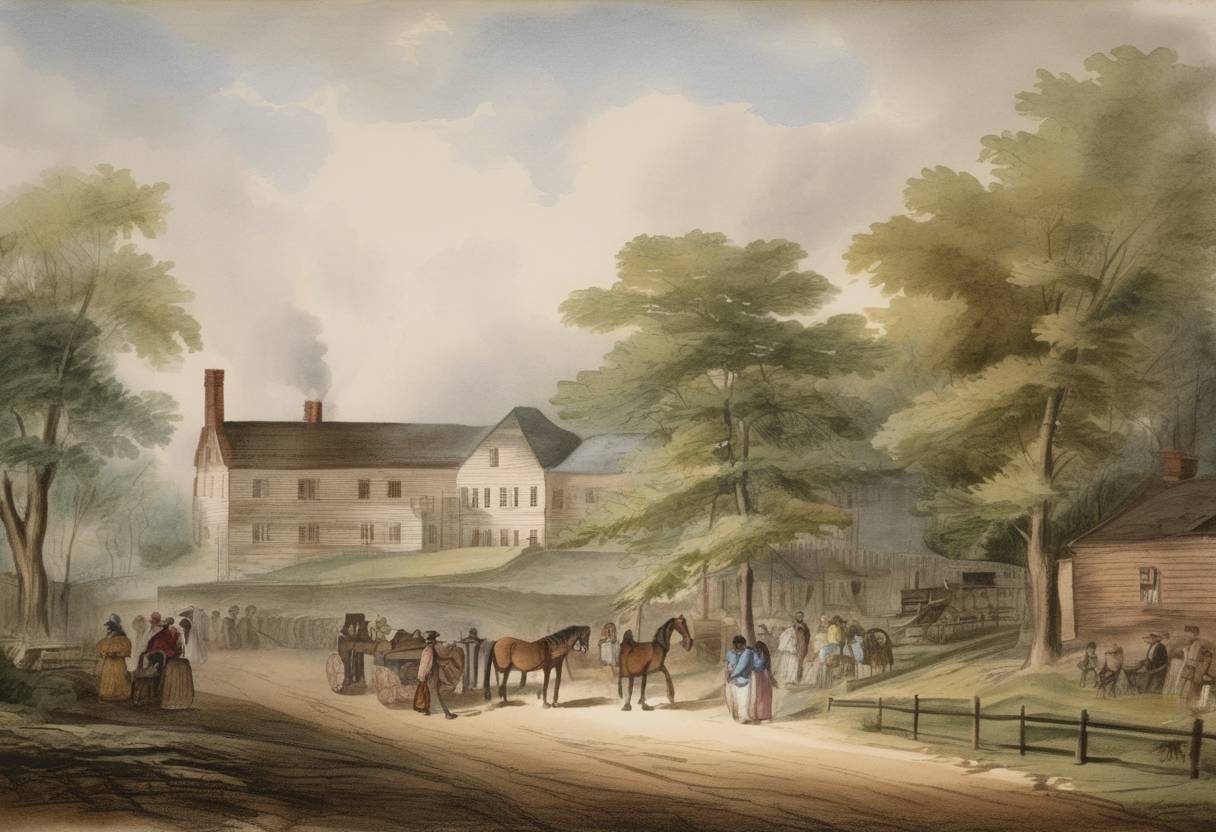
On February 15, 1804, New Jersey became the last Northern state to take legislative action towards the abolition of slavery, reflecting a significant shift in societal attitudes and legislative priorities in the region. However, New Jersey’s approach was notably gradual compared to other states’ methods of emancipation.
During the late 18th and early 19th centuries, Northern states began to enact laws to abolish slavery, driven by the ideals of the American Revolution, growing abolitionist sentiment, and economic transitions from agrarian to industrial societies. Before New Jersey’s decision, other Northern states had either abolished slavery outright or had implemented gradual emancipation laws.
The law passed by the New Jersey legislature was titled “An Act for the Gradual Abolition of Slavery.” It did not immediately free existing slaves in the state but instead set conditions for the eventual emancipation of future generations. Key provisions included:
The enactment of this gradual abolition plan highlighted New Jersey’s complex relationship with slavery, a reflection of economic and political interests that differed from its neighboring states. The legislation faced criticism from abolitionists for its slow pace and lack of immediate emancipation for those already enslaved.
Despite New Jersey’s slow approach, the 1804 act was an essential step towards ending the practice of slavery in the state. It laid the groundwork for eventual freedom for all enslaved individuals in New Jersey, a process that would culminate with the passage of the Thirteenth Amendment to the United States Constitution in 1865, which abolished slavery nationwide.
This legislative act symbolizes the incremental progress and ongoing struggle towards achieving universal freedom and equality in the United States. It serves as a reminder of the varied and complex paths states took to confront the institution of slavery in their jurisdictions.
Source: www.nj.gov