Tesla's Bitcoin Payment Suspension on June 1, 2021
2021 · Palo Alto, United States
Tesla stopped accepting Bitcoin as payment after CEO Elon Musk announced concerns about the environmental impact of Bitcoin mining.
May 15, 2020
Tesla resumes production at its Fremont factory after a legal confrontation with Alameda County over COVID-19 restrictions.
Fremont, United States | Tesla, Inc.
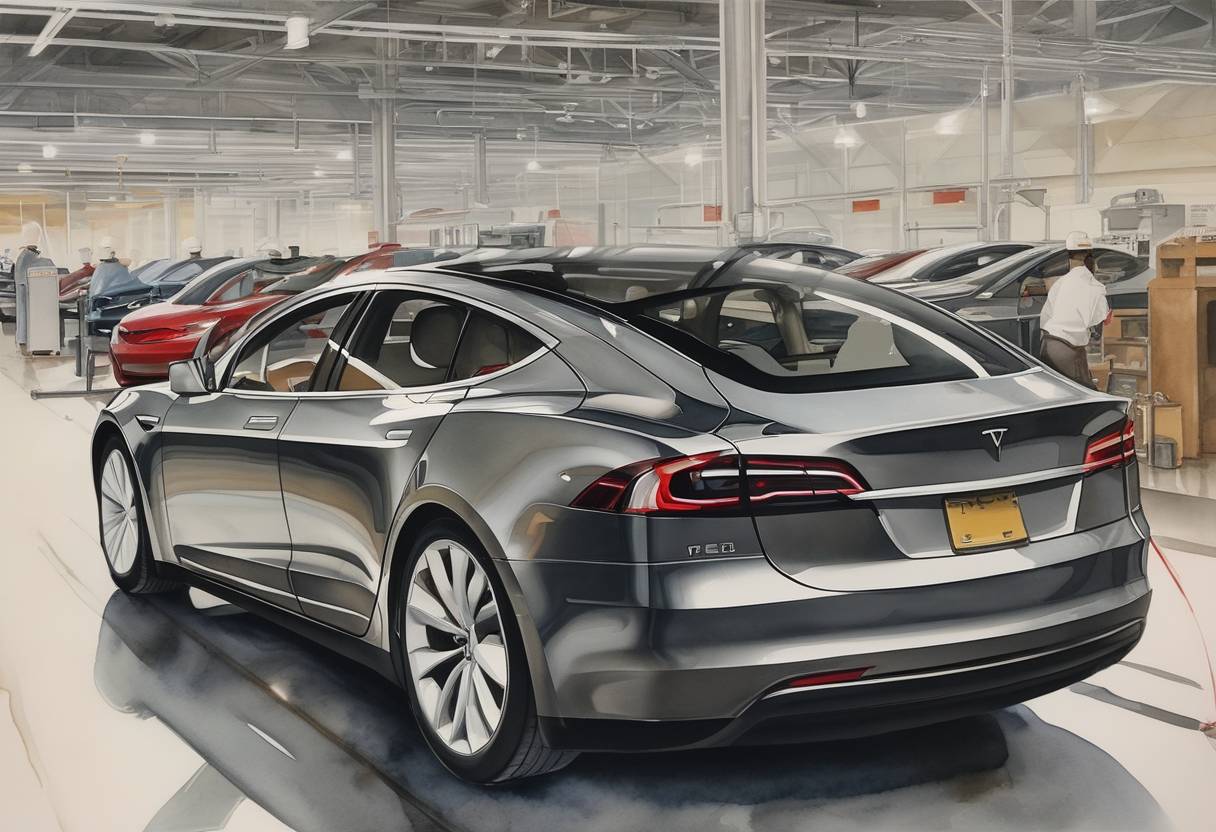
On May 15, 2020, Tesla resumed production at its Fremont factory in California following a legal confrontation with Alameda County over COVID-19 restrictions. This occurred during the early months of the global COVID-19 pandemic, which led to widespread lockdowns and restrictions aimed at curbing the spread of the virus.
COVID-19 Pandemic: As the pandemic began to take hold in the United States, state and local governments implemented strict measures, including stay-at-home orders and non-essential business closures.
Alameda County’s Order: Alameda County was one of the regions that imposed these orders, which affected Tesla’s operations at its Fremont plant, the company’s main automotive production facility in the U.S.
Elon Musk’s Defiance: Tesla’s CEO, Elon Musk, was outspoken in his criticism of the county’s restrictions, arguing that they hampered economic activity and were inconsistent given the state’s varying reopening strategies.
Legal Confrontation: Tesla filed a lawsuit against Alameda County on May 9, 2020, seeking to overturn the shutdown order and allow production to resume at the Fremont facility.
Negotiations and Agreement: Musk also announced on social media that the factory would reopen in violation of the county’s health orders, despite potential legal consequences. However, subsequent negotiations between Tesla and county officials led to an agreement that allowed the factory to resume limited operations from May 11, 2020, with full production ramping up by May 18.
Economic Impact: The reopening of the Fremont factory was significant for Tesla’s operations, as it played a crucial role in production and meeting the company’s ambitious sales targets.
Public Health vs. Economic Activity: This incident highlighted the tensions between public health mandates and economic imperatives during the pandemic, a balance that numerous companies and governments grappled with throughout the crisis.
Precedent Setting: Tesla’s actions drew national attention and set a precedent for other businesses navigating restrictive public health orders while pushing for reopening to sustain their economic activities.
Increased Safety Measures: As part of the negotiations, Tesla agreed to implement various safety measures to protect workers, including health screenings, social distancing protocols, and enhanced cleaning procedures.
Broader Debate: The event contributed to the broader debate on the federal, state, and local government roles in managing pandemic responses, particularly the balance between health and economy.
This event underscored the challenges faced by industries navigating government-imposed restrictions, setting the stage for ongoing discussions on the relationship between corporations and regulatory bodies during times of crisis.
Source: www.tesla.com