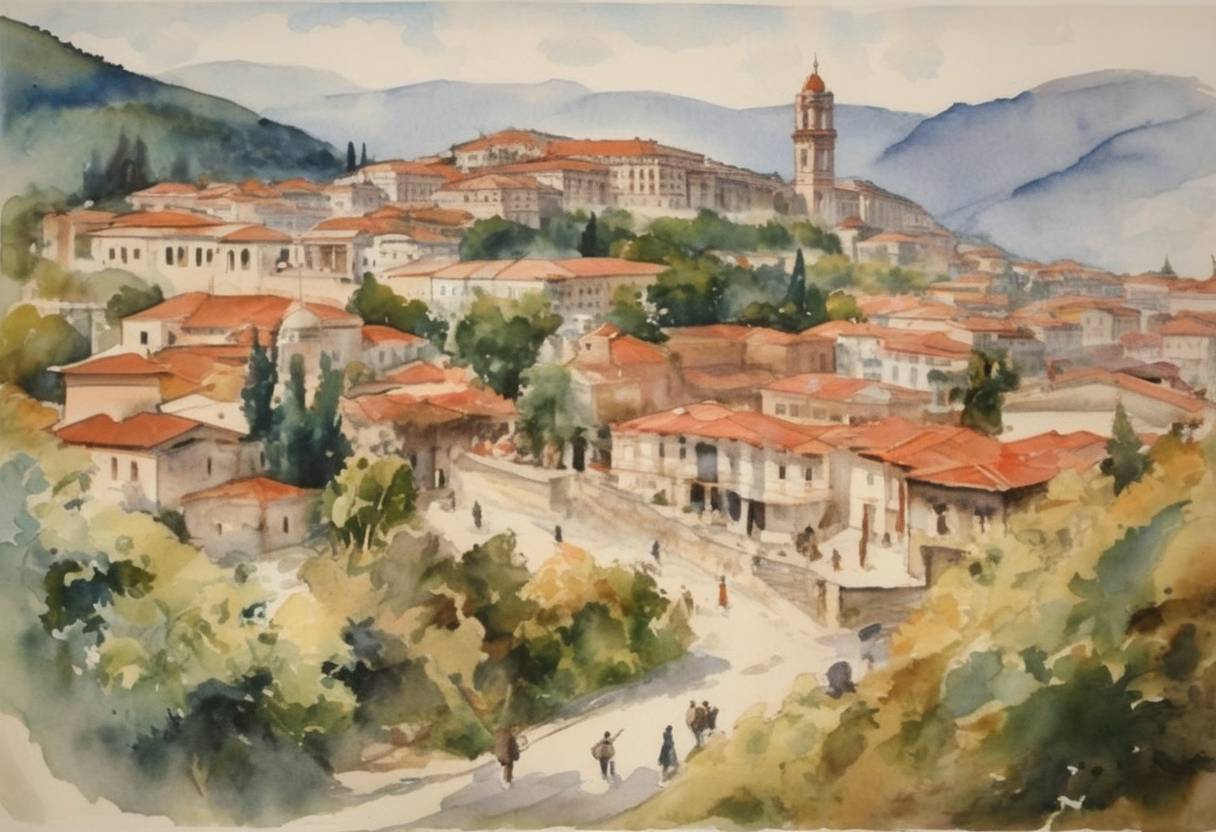
Albania Declares Itself a Republic on January 20, 1925
On January 20, 1925, Albania declared itself a republic, marking a significant shift in its political landscape. This transformation was part of Albania’s broader efforts to stabilize and modernize the country following a period of significant turmoil and instability.
Background
Prior to this declaration, Albania had experienced considerable political instability. After gaining independence from the Ottoman Empire in 1912, Albania struggled with internal divisions, foreign invasions, and lack of international recognition, especially during World War I and its aftermath.
The Monarchy of Albania, under King Zog I, had been attempting to establish a more stable government, but internal conflicts and external pressures continued to pose significant challenges. The eventual transition to a republic was seen as a strategic move to strengthen the nation’s governance and international standing.
Key Events Leading to the Declaration
- September 1924: The government led by the fanatically pro-Axis Ahmed Zogu, who had been previously ousted, returned to Tirana and reasserted control with the support of Yugoslav and White Russian forces.
- January 1925: Recognizing the need for a more stable and internationally recognized form of government, the Albanian constituent assembly voted to establish a republic.
Features of the New Republic
- Ahmed Zogu was elected as the first President of the Albanian Republic. This marked a transition from a monarchic system to a republic, albeit under strong autocratic rule.
- The new constitution granted the president considerable powers, highlighting the continued influence of Zogu and his supporters in the political apparatus of the country.
Impact and Aftermath
The declaration of the Republic of Albania was significant in several ways:
- Political Stability: It aimed to bring a degree of stability to Albania after years of internal conflict and external pressures.
- Modernization Efforts: The republic form of government was in part an attempt to implement more modern and efficient administrative and political reforms.
- International Recognition: Declaring a republic was also intended to bolster Albania’s recognition and legitimacy on the international stage, fostering better diplomatic relations.
Despite these efforts, Ahmed Zogu would later crown himself King Zog I in 1928, turning Albania into a constitutional monarchy once more. This period of Albania’s history illustrates its journey through different forms of governance in pursuit of stability and modernization.