Establishment of Yosemite National Park - October 1, 1890
1890 · Yosemite, United States
Yosemite National Park is established by the U.S. Congress, preserving the area for public use and enjoyment.
September 25, 1890
The United States Congress established Sequoia National Park, the second national park in the U.S., to protect the giant sequoia trees.
California, United States | United States Congress
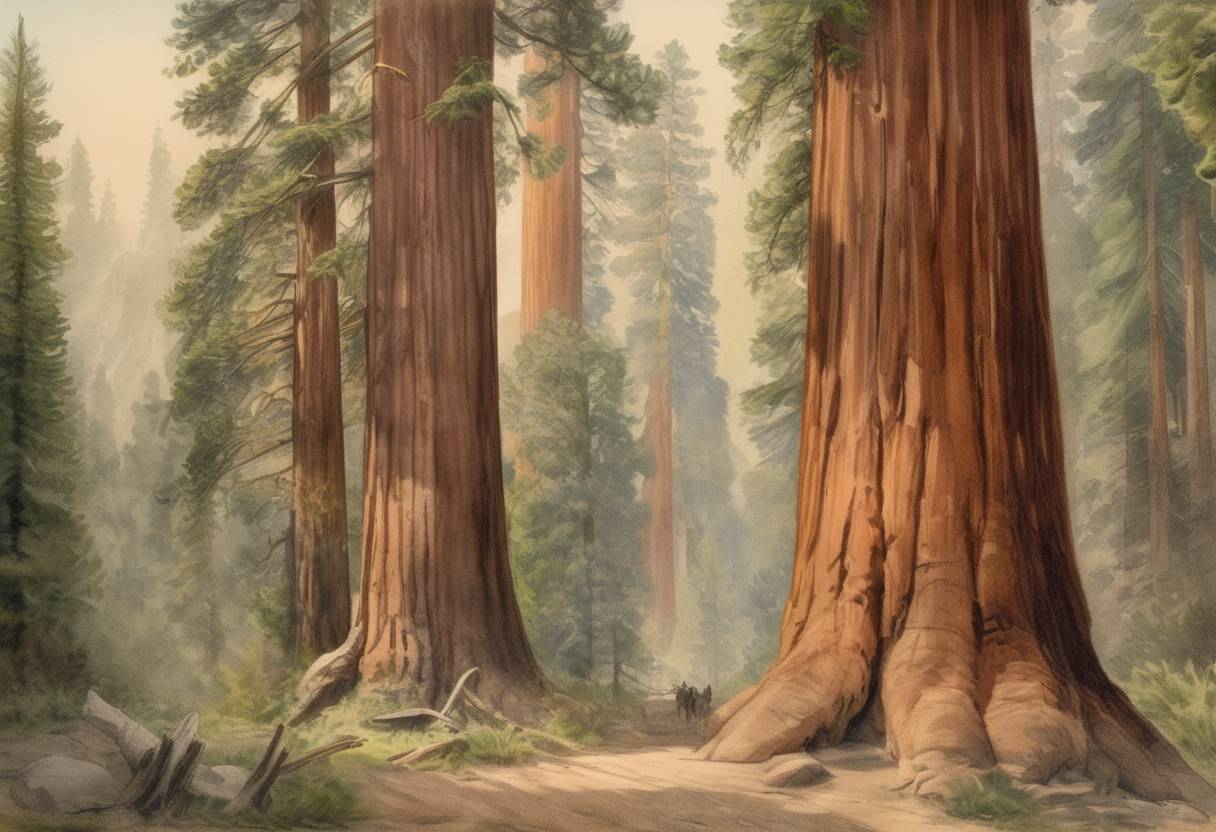
On September 25, 1890, the United States Congress established Sequoia National Park, marking a significant moment in the conservation movement in the United States. This action was taken to protect the giant sequoia trees, which are among the largest and oldest living organisms on Earth. Sequoia National Park became the second national park in the U.S., following the establishment of Yellowstone National Park in 1872.
Conservation Movement: The late 19th century saw a growing awareness of the need to preserve natural landscapes in the United States. This was partly driven by the rapid industrialization and expansion that threatened many natural habitats.
Giant Sequoias: The giant sequoias, known scientifically as Sequoiadendron giganteum, are native to the western slopes of the Sierra Nevada Mountains in California. These trees can live for over 3,000 years and reach heights of over 300 feet, with diameters exceeding 30 feet.
Advocacy for Protection: Naturalists and conservationists, including John Muir, played a crucial role in advocating for the protection of these majestic trees. Their efforts highlighted the ecological and aesthetic value of preserving such unique natural wonders.
Legislative Action: The push to establish Sequoia National Park was part of a broader legislative effort to protect natural areas in the United States. The bill to create the park was introduced by California Representative William Vandever.
Preservation Goals: The primary goal was to protect the giant sequoias from logging and other forms of exploitation. The park’s establishment was a proactive measure to ensure the conservation of these trees for future generations.
Conservation Legacy: The creation of Sequoia National Park set a precedent for the establishment of additional national parks and protected areas across the United States. It underscored the importance of preserving natural landscapes for their ecological, recreational, and cultural values.
Tourism and Education: The park has since become a popular destination for tourists, offering opportunities for education and appreciation of natural history. It plays a vital role in promoting environmental awareness and stewardship.
Biodiversity Protection: Beyond the giant sequoias, the park protects a diverse range of ecosystems, including alpine meadows, granite peaks, and rich biodiversity, contributing to the conservation of numerous plant and animal species.
Expansion and Management: Over the years, Sequoia National Park has been expanded and its management refined to address ongoing conservation challenges. It is now part of a larger protected area that includes Kings Canyon National Park.
Ongoing Challenges: The park faces contemporary challenges such as climate change, wildfires, and human impact, necessitating continued efforts in conservation and sustainable management.
The establishment of Sequoia National Park remains a landmark achievement in the history of environmental conservation, reflecting a commitment to preserving the natural heritage of the United States.
Source: en.wikipedia.org