Margaret Hughes: The First Actress on the English Public Stage
1660 · London, England
The first actress to appear on an English public stage, Margaret Hughes, performed as Desdemona in a production of Shakespeare's 'Othello'.
March 3, 1891
The Penalty of Death, a one-act play by H. S. Everett and Joseph J. Dilley, opens at the Theatre Royal in Leeds, England.
Leeds, United Kingdom | Theatre Royal
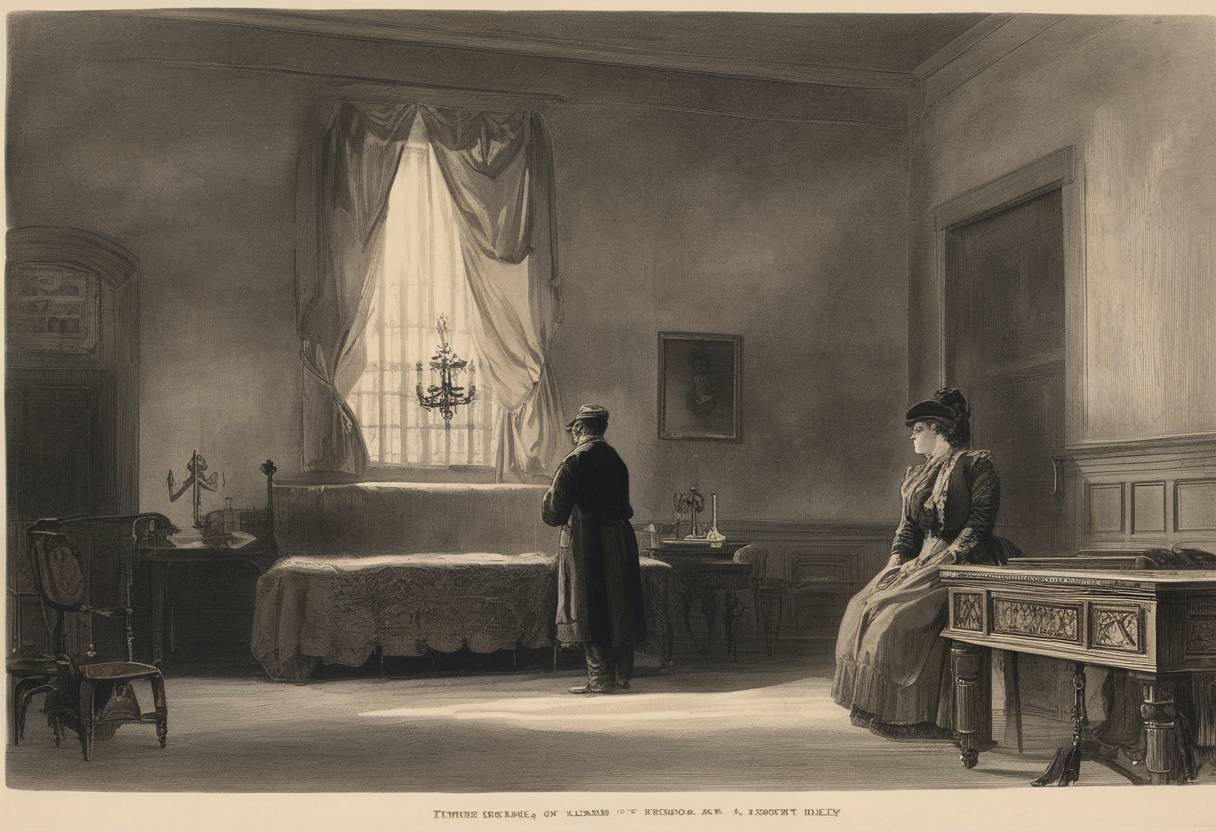
On March 3, 1891, “The Penalty of Death,” a one-act play by H. S. Everett and Joseph J. Dilley, premiered at the Theatre Royal in Leeds, England. This theatrical work was presented to an audience that was accustomed to the vibrant cultural scene of late 19th-century Leeds, where the Theatre Royal was a prominent venue for drama and entertainment.
The late 19th century was an era of significant social and cultural evolution in the United Kingdom. Theatre was a popular form of entertainment and a medium for exploring contemporary social issues. At this time, the public was engaged in dialogue about legal and moral implications of capital punishment, making the theme of “The Penalty of Death” particularly topical.
Though specific details about the plot of “The Penalty of Death” are sparse, the play likely engaged with the moral debates surrounding the death penalty. This theme was reflective of broader societal concerns about justice, morality, and the human consequences of legal decisions prevalent during this period.
The premiere of “The Penalty of Death” at the Theatre Royal contributed to the discussions on the death penalty by dramatizing its complexities. Although immediate contemporary reviews or audience reactions are not widely recorded, the play’s focus on such a contentious issue suggests it was part of the broader tapestry of Victorian theatrical exploration of social norms and legal practices.
While the play itself might not have left a lasting impact on dramatic literature or led to significant reforms, its opening at a venue like the Theatre Royal is indicative of the theatre’s role in social critique and reflection in the 19th century. This production is an example of how playwrights contributed to societal discourse, using the stage as a platform to engage audiences with important ethical questions.
In summary, the opening of “The Penalty of Death” adds to the historical narrative of theatre’s intersection with sociopolitical themes, showcasing how art served as a conduit for dialogue and reflection during a time of considerable public debate.