Mercaz HaRav Yeshiva Shooting - March 6, 2008
2008 · Jerusalem, Israel
A Palestinian gunman kills eight students at the Mercaz HaRav yeshiva in Jerusalem.
October 31, 2002
A gunman opens fire in a southern Israel kibbutz, killing five people, including three children.
Metzer, Israel | unknown
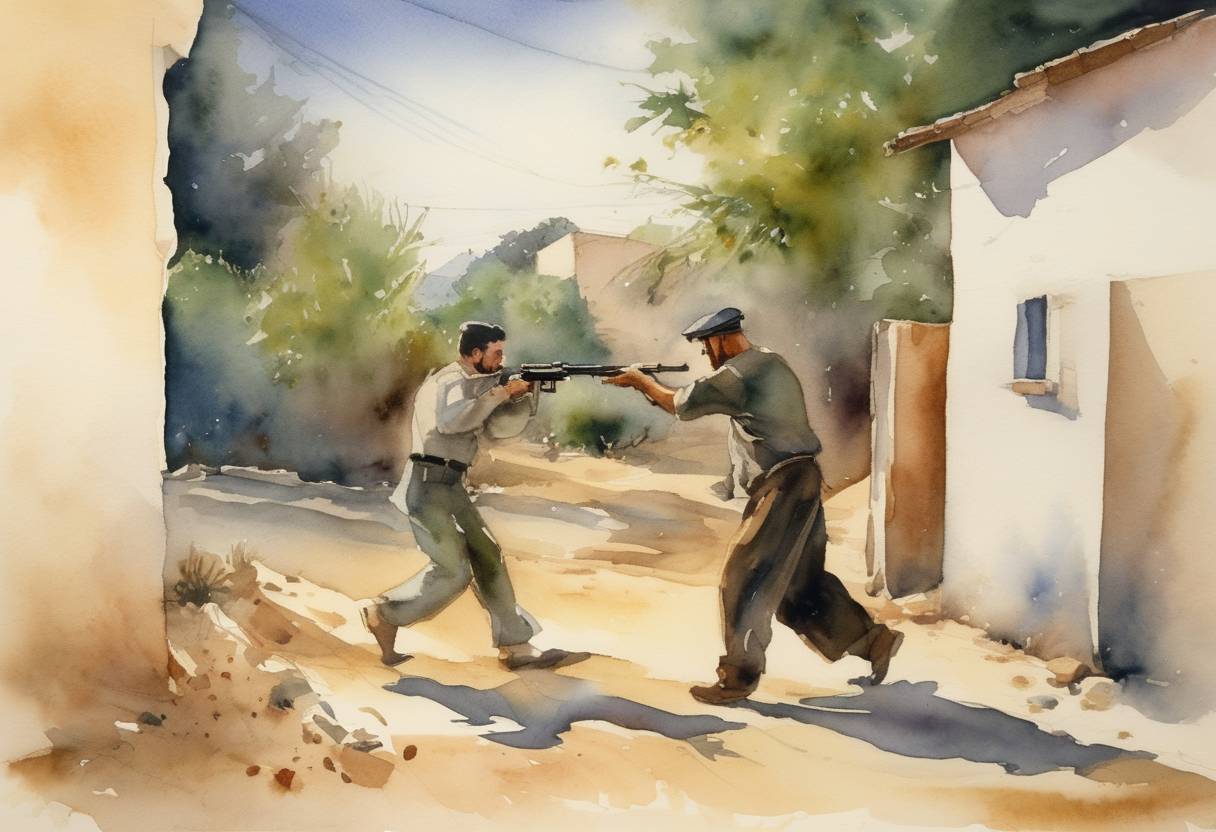
On October 31, 2002, a tragic mass shooting occurred at Kibbutz Metzer in northern Israel. A gunman infiltrated the kibbutz, opening fire on residents and leading to the deaths of five individuals, including three children.
Kibbutz Metzer, located near the Green Line between Israel and the West Bank, was known for advocating peace and cooperation between Israelis and Palestinians. Its proximity to the conflict zone and its reputation potentially positioned it as a symbolic target for extremist actions.
In the late evening hours of October 31, 2002, the attacker entered the kibbutz, armed with a rifle. The gunman made his way to the homes of the residents and began shooting. Among the victims were two adult residents and three children. The sudden and brutal nature of the attack sent shockwaves through the kibbutz and the broader Israeli community.
The Kibbutz Metzer attack was part of the violent backdrop of the Second Intifada, a period marked by heightened Israeli-Palestinian tensions and numerous acts of violence. The siege on the kibbutz was particularly impactful due to its commitment to peace initiatives. The attack underscored the fragility of communities situated along the contentious borders and magnified the urgent need for security recalibrations and continued diplomatic dialogues in hopes of reducing violence.
The event added to the urgency for both local and international communities to address security concerns and find sustainable pathways towards peaceful coexistence. It further intensified discussions around Israeli security policies and their implementation across vulnerable areas.
The impact of the Kibbutz Metzer attack was felt widely, influencing public opinion and policy in the region. It highlighted not only the personal tragedies resulting from the Israeli-Palestinian conflict but also the broader societal challenges in achieving lasting peace. The attack marked a point of reflection on the security measures necessary to protect civilian populations while addressing the underlying political and social grievances that fuel ongoing conflicts.
Source: www.theguardian.com