1898 · Paris, France
The Treaty of Paris was signed, officially ending the Spanish-American War. Spain relinquished its claims over Cuba and ceded Puerto Rico, Guam, and the Philippines to the United States.
August 5, 1763
In the Treaty of Paris negotiations, Spain ceded Florida to Great Britain in exchange for Havana, ending the Seven Years' War in Spanish Florida.
Paris, France | Spanish and British Governments
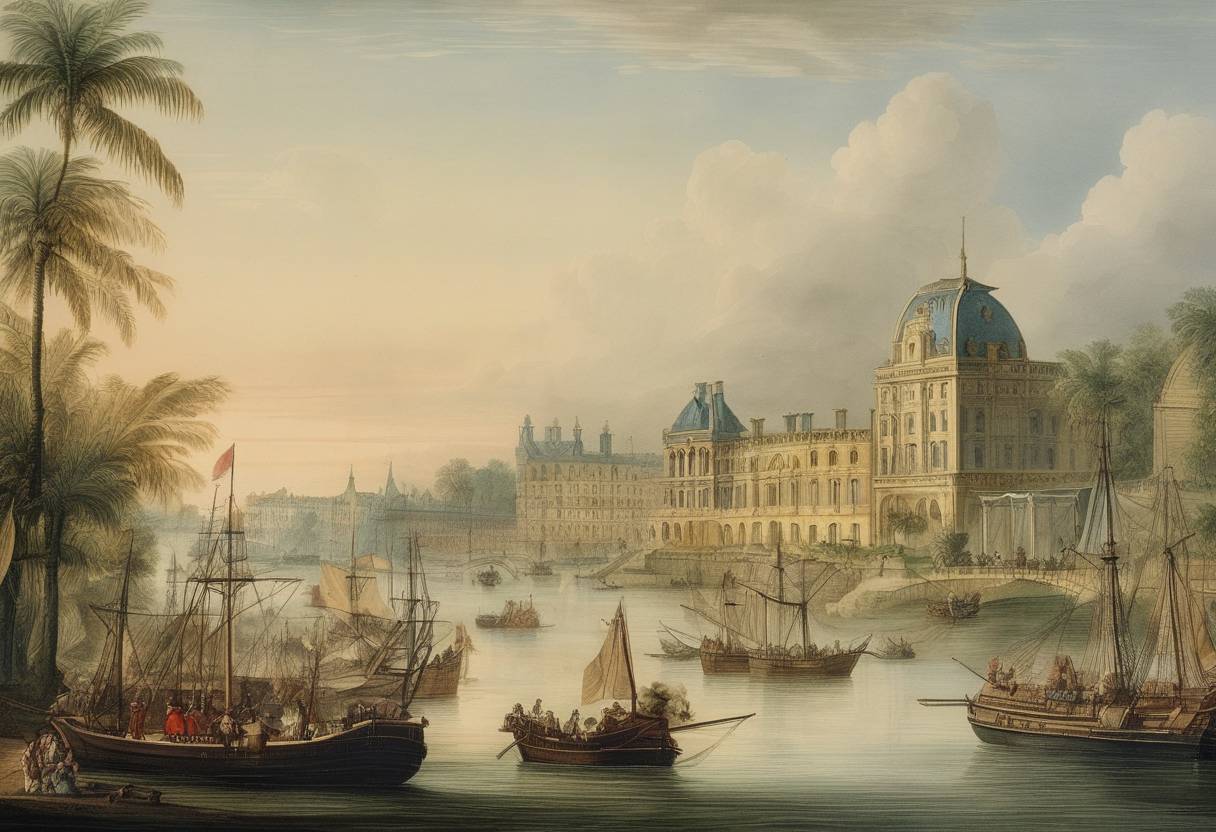
The Seven Years’ War (1756-1763), also known as the French and Indian War in North America, was a global conflict involving most of the great powers of the time, including Britain, France, and Spain. This conflict extended across continents, influencing territories in Europe, the Americas, West Africa, India, and the Philippines.
On February 10, 1763, the Treaty of Paris was signed, marking the end of the Seven Years’ War. The treaty’s negotiations involved three principal signatories: Great Britain, France, and Spain. Each was significantly affected by the war and sought to reorganize territorial control.
During the negotiations of the Treaty of Paris, Spain agreed to cede Florida to Great Britain. This decision was part of a broader agreement where Spain sought to recover Havana, Cuba, which had been captured by the British in 1762. The exchange was strategic: Spain relinquished Florida in order to regain Havana, a critical naval base and commercial hub in the Caribbean.
Significance of Florida to Britain: The acquisition of Florida provided Great Britain control over vast new territories, expanding its presence in North America. This was crucial for Britain’s future colonial ambitions, offering a coastline advantageous for maritime activities and trade.
Importance of Havana: For Spain, regaining Havana was vital given its strategic location guarding the Gulf of Mexico. It was crucial for the Spanish military presence and for protecting their shipping routes across the Atlantic.
The cession of Florida marked a significant reshaping of colonial territories in North America. It initiated British governance over Florida, which led to the establishment of new administrative structures and the integration of the region into the British colonial framework. However, British control of Florida was short-lived, as the territory was returned to Spain two decades later in the Treaty of Paris of 1783, ending the American Revolutionary War.
The 1763 treaty demonstrated the fluid nature of colonial claims and the strategic negotiations between European powers vying for dominance in the New World. It influenced subsequent American history, including territorial disputes and alignment of regional powers leading up to the American Revolution.
Source: www.britannica.com