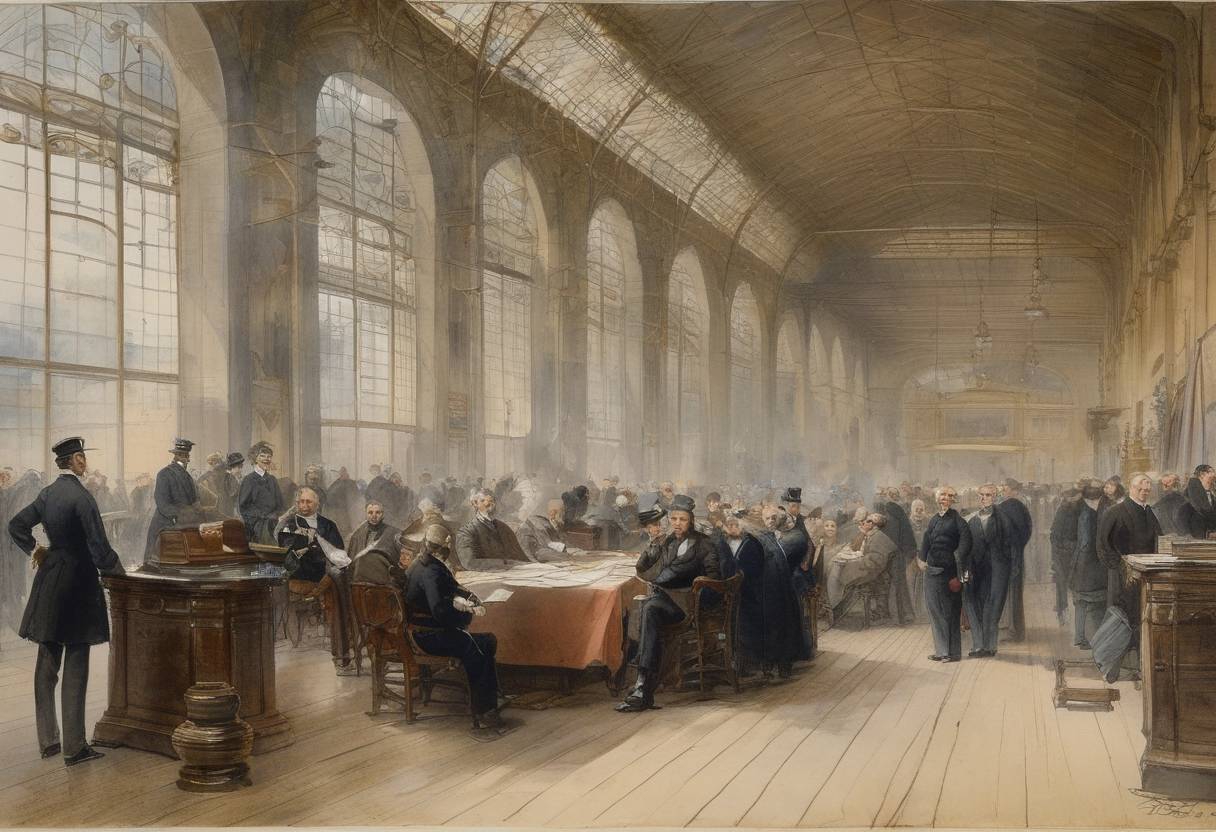
The Paris Convention for the Protection of Industrial Property
On March 20, 1883, the Paris Convention for the Protection of Industrial Property was signed, marking a significant milestone in international efforts to protect intellectual property rights. This agreement was one of the first of its kind, aiming to provide a legal framework for the protection of industrial property, which included patents, trademarks, industrial designs, utility models, service marks, trade names, and geographical indications.
Background and Context
During the late 19th century, the need for a reliable system to protect inventors and businesses across international borders became increasingly apparent. As industrialization accelerated and international trade expanded, the lack of a unified approach to intellectual property rights posed significant challenges. Many inventors and businesses were unable to adequately protect their inventions and intellectual creations outside of their home countries, leading to calls for an international agreement.
Key Provisions
The Paris Convention established several key principles:
- National Treatment: It required member countries to provide the same level of protection to foreign nationals as they did to their own citizens in matters of industrial property rights.
- Right of Priority: Inventors were granted the right to seek patent protection in other member countries for their inventions within 12 months from the date of filing in their home country, without affecting the validity of their original application.
- Independence of Patents: The granting of a patent in one member country would not affect the granting of a patent in another member country, highlighting the independence of each country’s patent process.
Significance and Consequences
The Paris Convention was a groundbreaking international treaty, laying the foundation for later agreements and the development of a more cohesive global intellectual property system. It demonstrated the possibility of international collaboration to address common legal challenges and served as a precursor to other significant treaties, such as the Berne Convention for the Protection of Literary and Artistic Works.
Today, the Paris Convention has become a cornerstone of international intellectual property law, with over 170 member countries. It continues to play a pivotal role in facilitating global trade and protecting the innovations and creations of inventors, artists, and businesses worldwide.
Overall, the Paris Convention for the Protection of Industrial Property was a landmark event that established essential protections and fostered international cooperation in the realm of intellectual property.