Mohamed Morsi Becomes President of Egypt
2012 · Cairo, Egypt
Mohamed Morsi becomes President of Egypt, following the country's first democratic elections after the 2011 revolution.
October 25, 2011
Tunisia held its first free elections since the Arab Spring protests, marking a significant milestone in the country's path to democracy.
Tunis, Tunisia | Independent High Authority for Elections
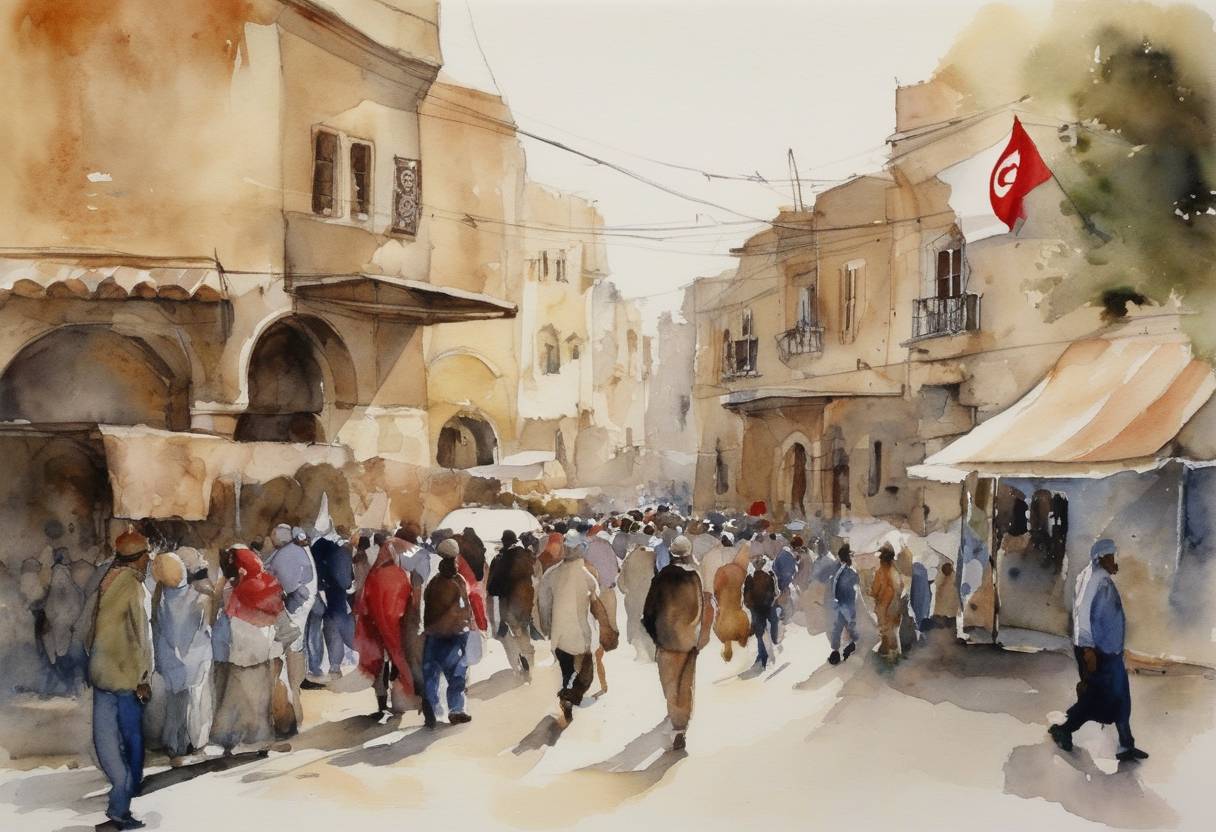
On October 25, 2011, Tunisia held its first free elections since the Arab Spring protests, marking a pivotal moment in the nation’s journey towards democracy. This historic election was for the Tunisian Constituent Assembly, the body responsible for drafting a new constitution and shaping the future political framework of the country.
The Arab Spring, a series of anti-government protests and uprisings, began in Tunisia in December 2010. The catalyst was the self-immolation of Mohamed Bouazizi, a street vendor protesting against police corruption and ill-treatment. His act ignited widespread demonstrations that culminated in the ousting of President Zine El Abidine Ben Ali in January 2011, ending his 23-year rule. The success of the Tunisian revolution inspired similar movements across the Arab world.
Following the revolution, Tunisia embarked on a journey towards democratic reform. In preparation for democratic elections, Tunisia established the Independent High Authority for Elections (ISIE) to ensure a fair and transparent electoral process. Additionally, political parties were legalized, and media outlets gained new freedoms to contribute to a more open political discourse.
The electoral event on October 25, 2011, allowed Tunisians to vote for the members of the Constituent Assembly. This assembly’s primary task was to draft a new constitution. The election was the first instance in which Tunisians could participate in a democratic electoral process with multiple parties and candidates since gaining independence from France in 1956.
Several political parties contested the election, but the Ennahda Movement, a moderate Islamist party, emerged as a significant political force. Ennahda won 41% of the seats in the assembly, representing a plurality but not an outright majority. The election featured a broad spectrum of political representatives, from secularists to Islamists, reflecting Tunisia’s diverse society.
The successful conduct of the elections was lauded internationally as a sign of hope for democratic reform in the region. Observers, including those from international organizations, praised the peaceful and orderly manner of the election. It marked a sharp departure from the region’s authoritarian past and showcased Tunisia’s commitment to a democratic transition.
Following the elections, the Constituent Assembly began work on drafting Tunisia’s new constitution, a process which took several years and involved significant negotiation and compromise among various political factions. Ultimately, the new constitution enacted in January 2014 was praised for its inclusivity and progressive stance on several issues, including women’s rights.
Tunisia’s move towards democracy, exemplified by the 2011 elections, set a precedent in the Arab world, demonstrating that democratic governance was achievable in the region despite the challenges. This election remains a defining moment in Tunisia’s modern history, symbolizing hope and resilience in the face of widespread political upheaval.
Source: www.bbc.com