Bishopsgate Bombing - April 17, 1993
1993 · London, United Kingdom
A Provisional Irish Republican Army (IRA) bomb is detonated in Bishopsgate, London, causing extensive damage in the City of London and killing one person.
February 9, 1996
The Irish paramilitary group, the Provisional Irish Republican Army (IRA), ended its 18-month ceasefire with a bombing in London.
London, United Kingdom | Provisional Irish Republican Army
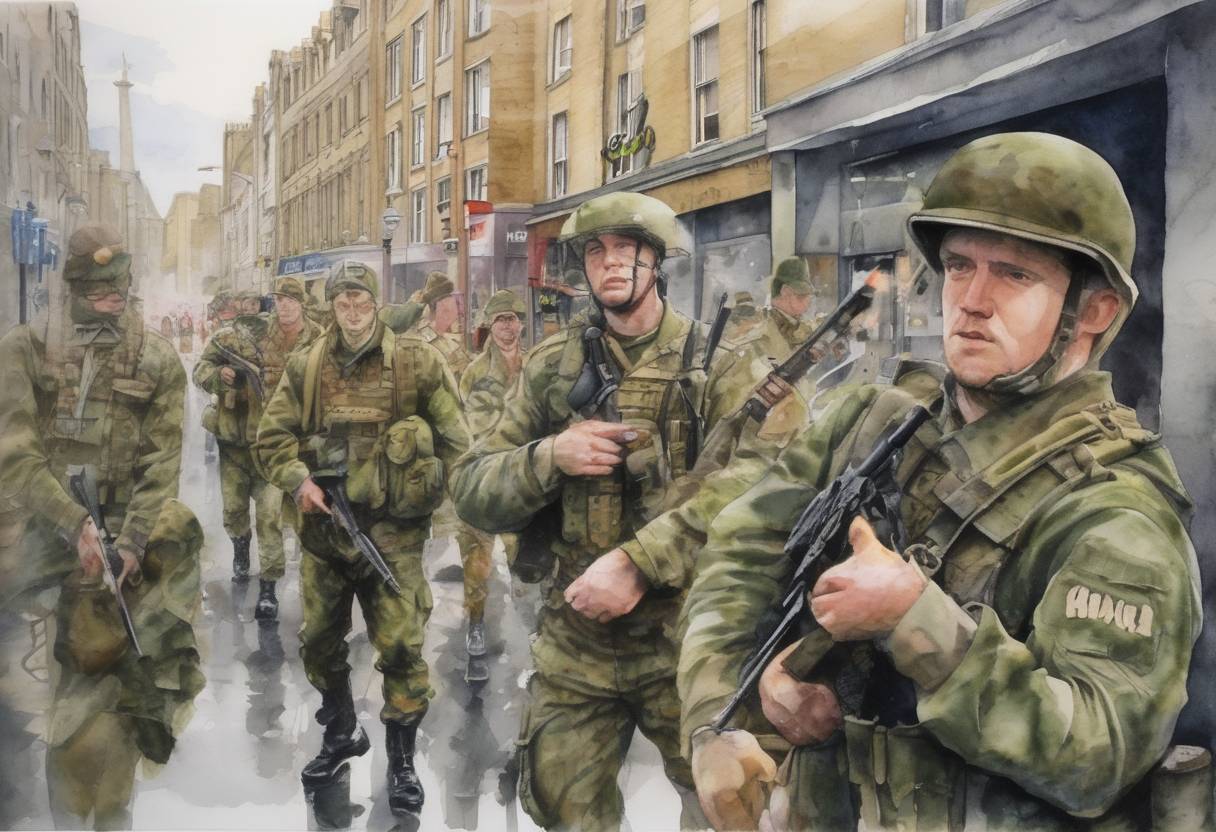
On February 9, 1996, the Provisional Irish Republican Army (IRA) ended its 18-month ceasefire with a devastating bombing in London. This marked a significant moment in the Northern Ireland conflict, often referred to as “The Troubles,” which spanned from the late 1960s to the Good Friday Agreement in 1998.
The Provisional IRA, a paramilitary organization, sought to end British rule in Northern Ireland and to reunify Ireland. The conflict, rooted in historical, political, and sectarian divisions, saw the IRA engage in armed campaigns against British forces and targets.
In August 1994, the IRA declared a ceasefire, which was a pivotal step towards peace negotiations. This ceasefire was part of broader efforts to resolve the conflict through dialogue, leading to the peace process that would eventually culminate in the Good Friday Agreement.
On February 9, 1996, the IRA detonated a large truck bomb in the Canary Wharf area of London, commonly referred to as the Docklands bombing. The explosion killed two people, injured over 100, and caused significant damage estimated at £150 million. The attack was a stark reminder of the IRA’s capacity for violence and its willingness to disrupt the peace process.
The IRA cited frustration with the slow pace of political progress and the lack of inclusive talks involving Sinn Féin, the political wing associated with the IRA, as reasons for ending the ceasefire. The British government’s insistence on IRA disarmament before Sinn Féin’s participation in negotiations was a major point of contention.
The bombing had immediate and long-term impacts:
Immediate Impact: The attack shocked the public and political leaders, leading to a temporary setback in the peace process. It highlighted the fragile nature of the ceasefire and the complexities involved in negotiating peace.
Political Reactions: The British and Irish governments condemned the attack, emphasizing the need for continued dialogue. The bombing underscored the importance of addressing the underlying issues fueling the conflict.
Resumption of Peace Talks: Despite the setback, efforts to restore the ceasefire and resume peace talks continued. The bombing ultimately reinforced the urgency of finding a lasting solution to the conflict.
The Docklands bombing was a critical moment in the Northern Ireland peace process. It demonstrated the challenges of transitioning from armed conflict to political negotiation and underscored the importance of inclusive dialogue. The eventual success of the peace process, culminating in the Good Friday Agreement in 1998, was a testament to the resilience and determination of all parties involved to achieve lasting peace.
The events of February 9, 1996, remain a poignant reminder of the complexities and costs of conflict, as well as the potential for reconciliation and peace.
Source: en.wikipedia.org