Amman Hotel Bombings - November 9, 2005
2005 · Amman, Jordan
A series of coordinated suicide bomb attacks occurred at three hotels in Amman, Jordan, killing 60 people and injuring 115 others.
May 16, 2003
A series of suicide bombings occurred in Casablanca, Morocco, targeting various locations including a hotel, a Jewish community center, and a Spanish restaurant, resulting in 33 civilian deaths and over 100 injuries.
Casablanca, Morocco | Salafia Jihadia
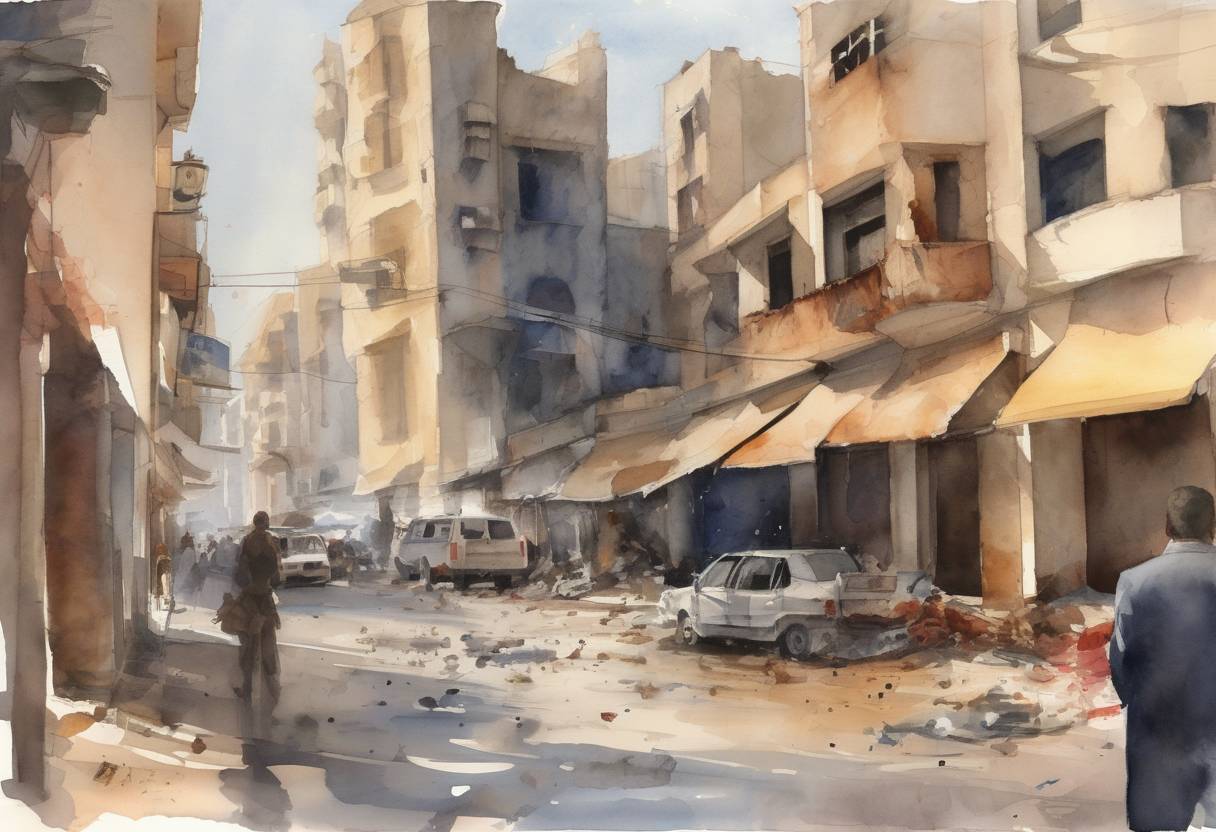
On May 16, 2003, a series of coordinated suicide bombings struck Casablanca, Morocco’s largest city, marking one of the deadliest terrorist attacks in the country’s history. The attacks targeted multiple locations, resulting in the tragic loss of 33 civilian lives and injuring over 100 others. This event shocked the nation and had significant implications for Morocco’s security policies and its approach to combating terrorism.
Date and Time: The bombings occurred on the evening of May 16, 2003.
Locations Targeted:
Casualties: The attacks resulted in 33 civilian deaths, including both Moroccans and foreigners, and over 100 people were injured.
Perpetrators: The bombings were carried out by 12 suicide bombers, believed to be part of a local Islamist extremist group with alleged links to international terrorist networks such as Al-Qaeda.
The early 2000s were marked by a global rise in terrorist activities, with groups like Al-Qaeda orchestrating attacks worldwide. Morocco, a predominantly Muslim country with a reputation for religious tolerance and moderate politics, had been relatively free from large-scale terrorist incidents until this point. However, the Casablanca bombings underscored the growing threat of radicalization and extremism within the region.
The Casablanca bombings highlighted the vulnerabilities of North African countries to extremist ideologies and the need for robust counter-terrorism strategies. It also served as a catalyst for Morocco to strengthen its security infrastructure and engage more actively in global efforts to combat terrorism.
The attacks remain a somber reminder of the impact of terrorism on civilian populations and the ongoing challenges in addressing the root causes of radicalization.
Source: en.wikipedia.org