The 2018 Eruption of Guatemala's Fuego Volcano
2018 · Escuintla, Guatemala
Guatemala's Fuego volcano erupted, resulting in the deaths of at least 190 people and causing widespread destruction in surrounding areas.
June 4, 2018
Guatemala's Fuego volcano erupts, resulting in the deaths of at least 190 people and causing widespread destruction.
Escuintla, Guatemala | Guatemalan Government
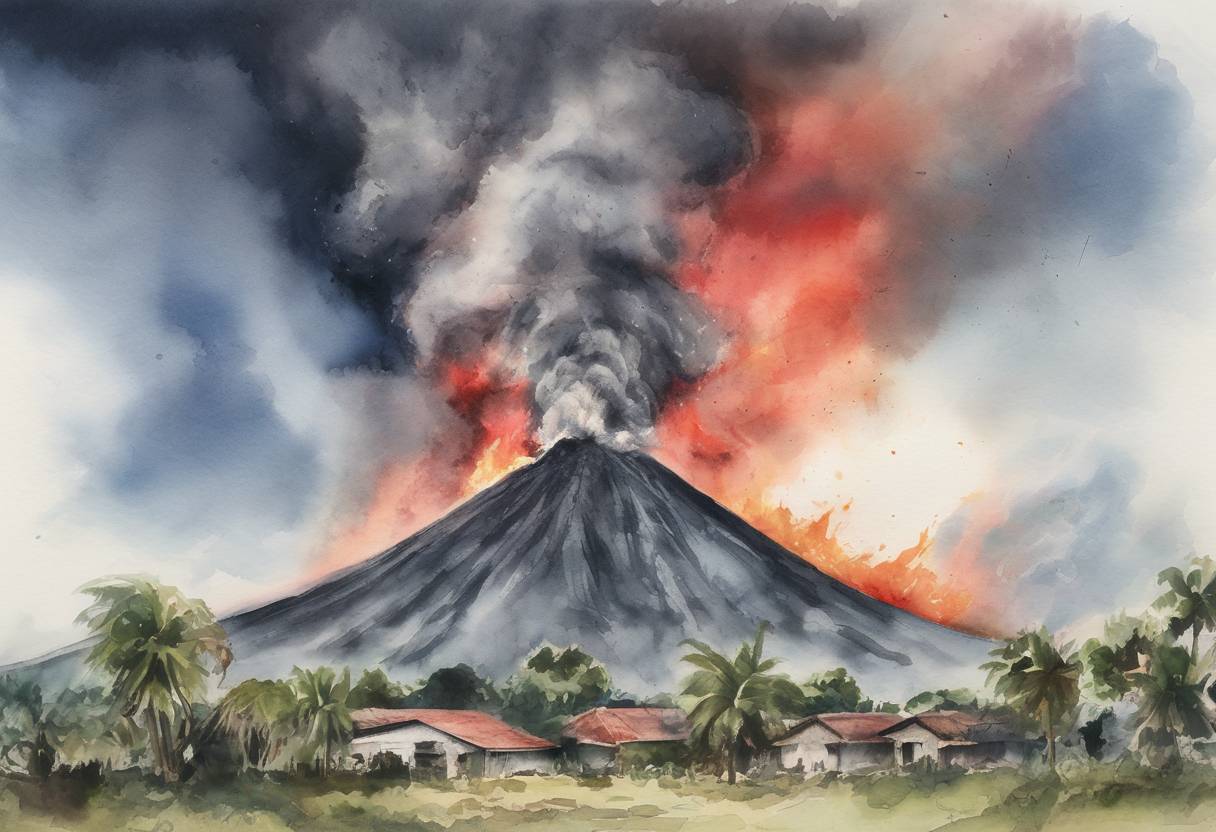
On June 4, 2018, Guatemala’s Fuego Volcano, one of Central America’s most active volcanoes, erupted with devastating consequences. This catastrophic event resulted in the deaths of at least 190 people and caused widespread destruction across the region.
Fuego Volcano, located about 16 kilometers (10 miles) from the colonial city of Antigua, is known for its frequent activity. It stands at approximately 3,763 meters (12,346 feet) and is part of the Central American Volcanic Arc. Prior to the 2018 eruption, Fuego had been active, with smaller eruptions occurring regularly.
The eruption on June 4, 2018, was particularly violent and unexpected. It began with a series of explosions that sent ash plumes soaring into the sky, reaching heights of up to 10 kilometers (about 6 miles). The eruption produced pyroclastic flows—fast-moving currents of hot gas and volcanic matter—that swept down the slopes of the volcano, engulfing nearby villages.
The aftermath of the eruption was tragic and challenging:
The 2018 eruption of Fuego Volcano highlighted the challenges faced by communities living in the shadow of active volcanoes. It underscored the need for improved early warning systems and disaster preparedness to mitigate the impact of future eruptions.
The event also drew attention to the vulnerability of Guatemala’s infrastructure and the need for international cooperation in disaster response and recovery efforts.
In conclusion, the eruption of Fuego Volcano on June 4, 2018, was a tragic event that had a profound impact on Guatemala, both in terms of human loss and the destruction of communities. It serves as a somber reminder of the power of natural forces and the importance of preparedness and resilience in the face of such disasters.
Source: en.wikipedia.org