Deepwater Horizon Oil Rig Explosion - April 20, 2010
2010 · Gulf of Mexico, United States
The Deepwater Horizon oil rig exploded in the Gulf of Mexico, leading to one of the largest environmental disasters in U.S. history.
March 18, 2005
A massive explosion occurred at the BP Texas City Refinery in Texas City, Texas, resulting in the deaths of 15 workers and injuring more than 170 others. This incident was one of the deadliest industrial accidents in the United States and led to significant changes in safety regulations and practices within the oil industry.
Texas City, United States | BP
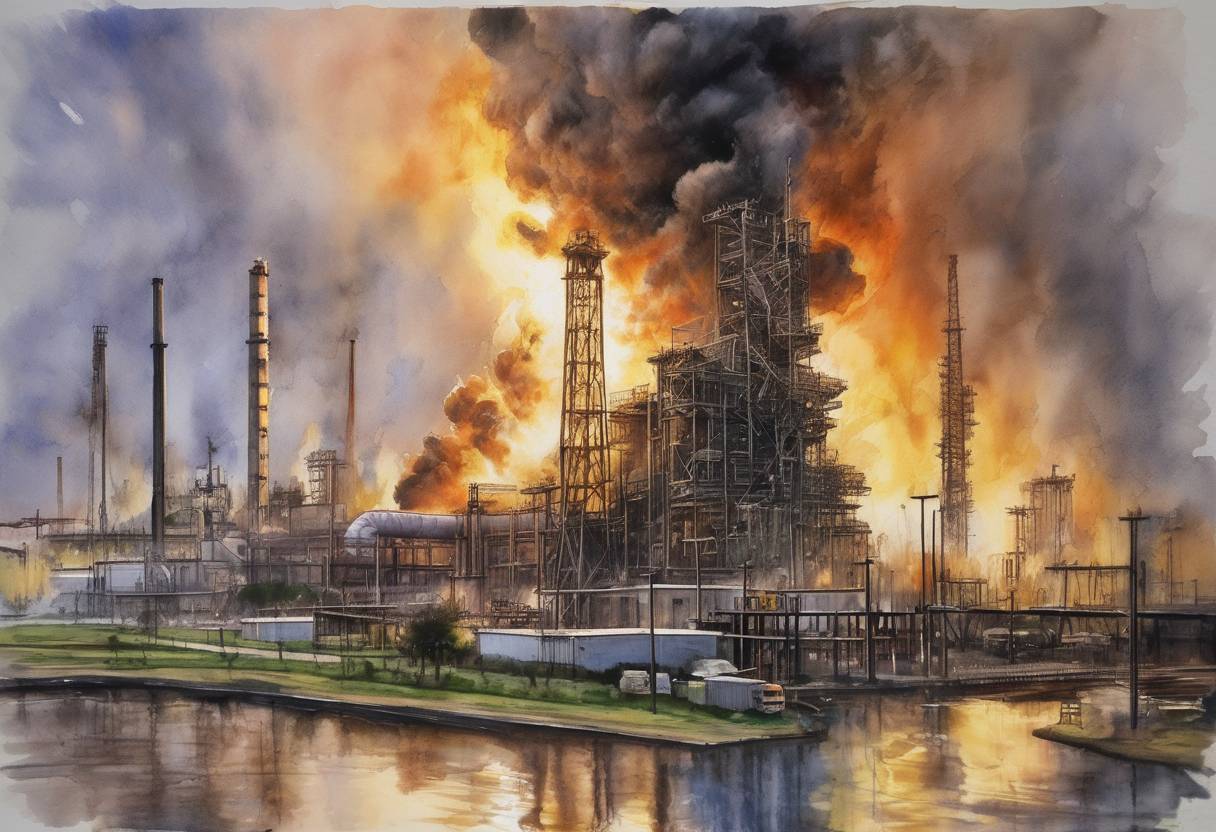
On March 18, 2005, a catastrophic explosion occurred at the BP Texas City Refinery in Texas City, Texas. This tragic event resulted in the deaths of 15 workers and injured more than 170 others, marking it as one of the deadliest industrial accidents in the United States.
The BP Texas City Refinery, one of the largest oil refineries in the United States, was a critical component of BP’s operations. At the time of the explosion, the refinery was undergoing maintenance and startup procedures, which are typically high-risk periods for industrial facilities.
The explosion occurred during the startup of the isomerization unit, a process used to increase the octane rating of gasoline. A series of failures in safety protocols and equipment malfunctions led to the overfilling of a raffinate splitter tower. This resulted in the release of a highly flammable hydrocarbon vapor cloud, which ignited and caused a massive explosion.
Safety System Failures: The incident was precipitated by a combination of mechanical failures, human errors, and inadequate safety systems. Critical alarms and level indicators failed to alert operators to the dangerous conditions.
Management and Training Deficiencies: Investigations revealed that BP had a history of safety violations and that there were significant deficiencies in training and safety management practices.
Cost-Cutting Measures: Reports indicated that cost-cutting measures had compromised safety standards, contributing to the conditions that led to the explosion.
The explosion had far-reaching consequences for BP and the oil industry as a whole:
Regulatory Changes: The incident prompted a reevaluation of safety regulations within the oil and gas industry. The U.S. Occupational Safety and Health Administration (OSHA) and other regulatory bodies increased scrutiny and enforcement of safety standards.
BP’s Response: BP faced significant legal and financial repercussions, including fines and settlements. The company committed to overhauling its safety practices and invested in improving safety culture across its operations.
Industry Impact: The disaster highlighted the critical importance of safety in industrial operations, leading to widespread changes in safety protocols and practices across the industry.
The BP Texas City Refinery explosion serves as a stark reminder of the potential dangers inherent in industrial operations and the necessity of rigorous safety standards. It underscored the importance of corporate responsibility and the need for continuous improvement in safety practices to prevent future tragedies.
This incident remains a pivotal moment in industrial safety history, influencing policy and operational changes that continue to shape the industry today.
Source: www.csb.gov