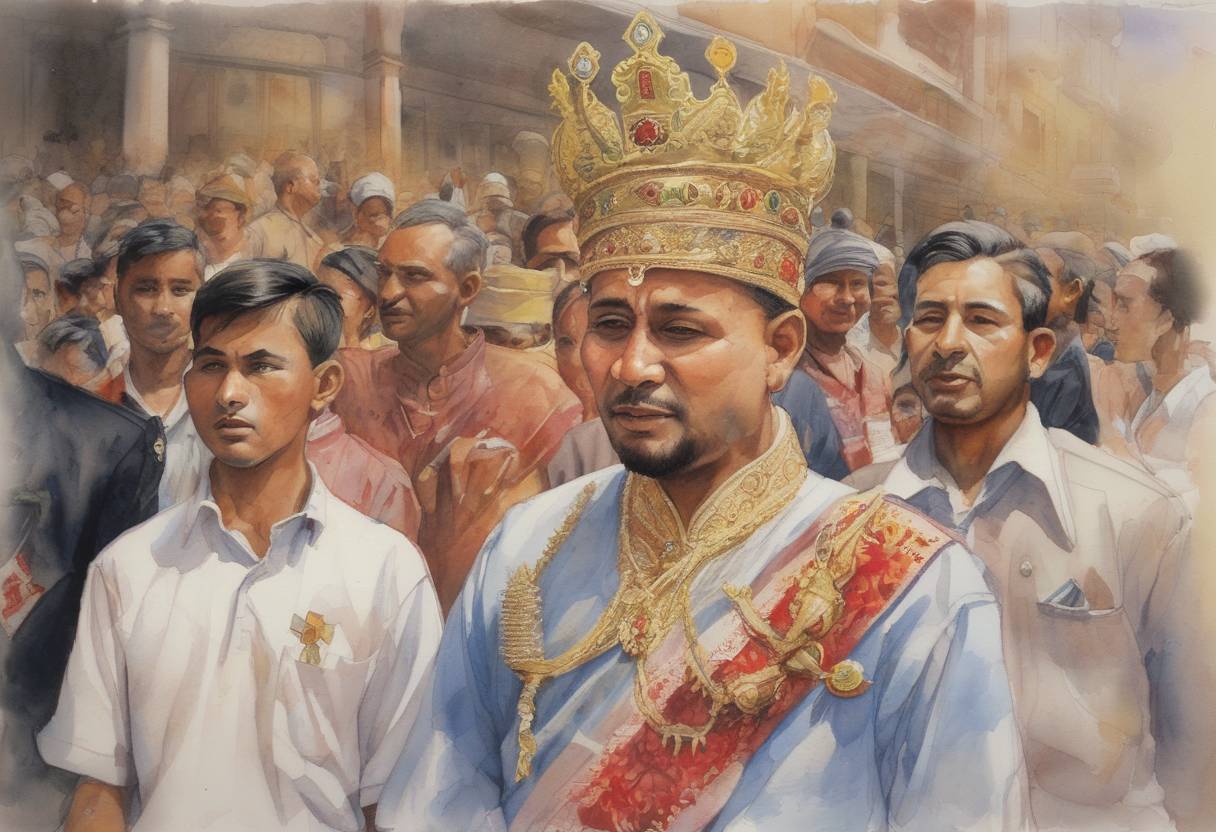
The Nepalese Royal Massacre and the Ascension of Crown Prince Dipendra
On June 1, 2001, a tragic and shocking event unfolded in the Narayanhiti Royal Palace in Kathmandu, Nepal, which would have profound implications for the Nepalese monarchy and the nation. This event, known as the Nepalese Royal Massacre, involved the killing of several members of the royal family, including King Birendra and Queen Aishwarya, by Crown Prince Dipendra.
The Events Leading Up to the Massacre
The Nepalese royal family had gathered for a monthly dinner party in the palace. Crown Prince Dipendra, reportedly under the influence of alcohol and possibly other substances, became involved in a heated argument with family members. The exact reasons for the dispute remain unclear, but it is believed to have been related to personal and familial issues, including disagreements over his choice of a bride.
The Massacre
During the altercation, Dipendra left the gathering, only to return armed with multiple firearms. In a tragic and violent outburst, he opened fire on his family members, killing nine people, including his father, King Birendra, his mother, Queen Aishwarya, and his younger brother, Prince Nirajan. Several others were injured in the attack.
After the shooting, Dipendra turned the gun on himself, resulting in a coma from which he would never awaken.
Dipendra’s Ascension to the Throne
Despite being in a coma, Crown Prince Dipendra was declared King of Nepal on June 3, 2001, as per the traditional laws of succession. His brief reign lasted only three days, during which he remained unconscious and on life support. On June 4, 2001, Dipendra succumbed to his injuries, and his uncle, Prince Gyanendra, was subsequently declared king.
Aftermath and Historical Significance
The massacre sent shockwaves through Nepal and the world, leading to widespread mourning and confusion. The incident raised numerous questions about the stability of the monarchy and the future of the country. King Gyanendra’s ascension marked a period of significant political change and turmoil in Nepal.
The massacre contributed to growing republican sentiments and dissatisfaction with the monarchy, eventually leading to the abolition of the monarchy in 2008 and the establishment of Nepal as a federal democratic republic.
The events of June 1, 2001, remain a pivotal moment in Nepal’s history, symbolizing the end of an era for the Nepalese monarchy and the beginning of a new chapter in the nation’s political landscape.