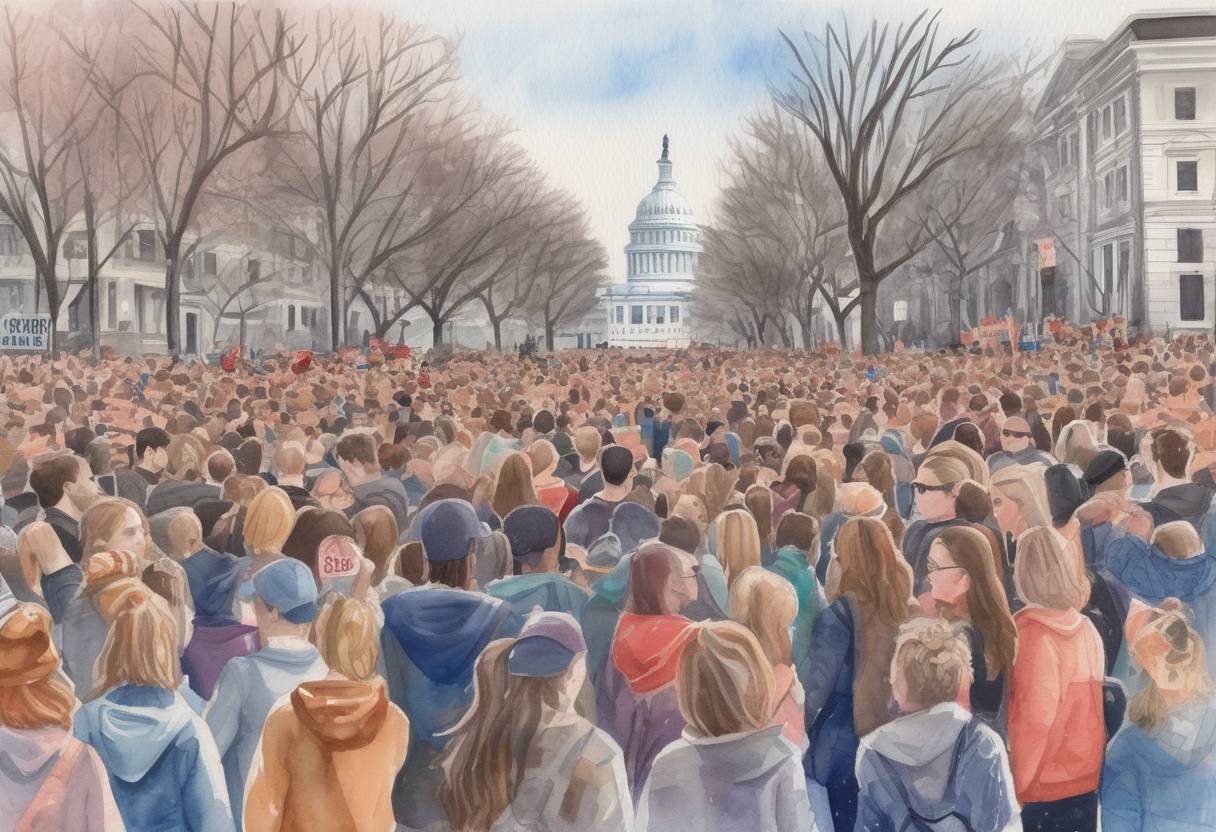
The March for Our Lives: March 24, 2018
On March 24, 2018, a significant student-led demonstration known as the March for Our Lives took place in Washington, D.C., and in cities across the United States. This event was a pivotal moment in the ongoing debate over gun control in America, driven by a wave of activism following a tragic school shooting.
Background
The catalyst for the March for Our Lives was the mass shooting at Marjory Stoneman Douglas High School in Parkland, Florida, on February 14, 2018. This tragic event resulted in the deaths of 17 students and staff members and left many others injured. The shooting sparked a national conversation about gun violence and the need for reform in gun legislation.
Organization and Goals
The March for Our Lives was organized primarily by students from Marjory Stoneman Douglas High School, including prominent figures such as Emma González, David Hogg, Cameron Kasky, and Jaclyn Corin. These students became vocal advocates for gun control, using their platform to call for legislative changes to prevent future tragedies.
The primary goals of the march included:
- Universal background checks for gun purchases.
- A ban on the sale of high-capacity magazines and assault weapons.
- Raising the minimum age for gun ownership.
- Implementing policies to prevent gun violence in schools and communities.
The March
The main event took place in Washington, D.C., where hundreds of thousands of people gathered to show their support for stricter gun control measures. The march featured speeches from survivors of gun violence, including students from Parkland, as well as performances by various artists.
In addition to the main event in Washington, D.C., over 800 sister marches were held across the United States and around the world, making it one of the largest protests in American history.
Impact and Aftermath
The March for Our Lives had a significant impact on the national conversation about gun control. It brought renewed attention to the issue and increased pressure on lawmakers to take action. The movement also inspired a new generation of activists and led to the formation of a nonprofit organization by the same name, which continues to advocate for gun reform.
In the months following the march, some states enacted stricter gun laws, although federal legislation remained largely unchanged. The movement highlighted the power of youth activism and demonstrated the potential for grassroots efforts to influence public policy.
Broader Historical Significance
The March for Our Lives is part of a long history of activism in the United States aimed at addressing gun violence. It underscored the role of young people in driving social change and emphasized the importance of civic engagement in shaping national policies. The event remains a significant example of how collective action can bring attention to critical issues and push for legislative reform.