March 5, 1933: Nazi Party Wins 44% in German Parliamentary Elections
1933 · Berlin, Germany
Adolf Hitler's Nazi Party won 44 percent of the vote in German parliamentary elections, which helped consolidate Hitler's power in Germany.
January 30, 1933
Adolf Hitler was appointed Chancellor of Germany by President Paul von Hindenburg.
Berlin, Germany | German Government
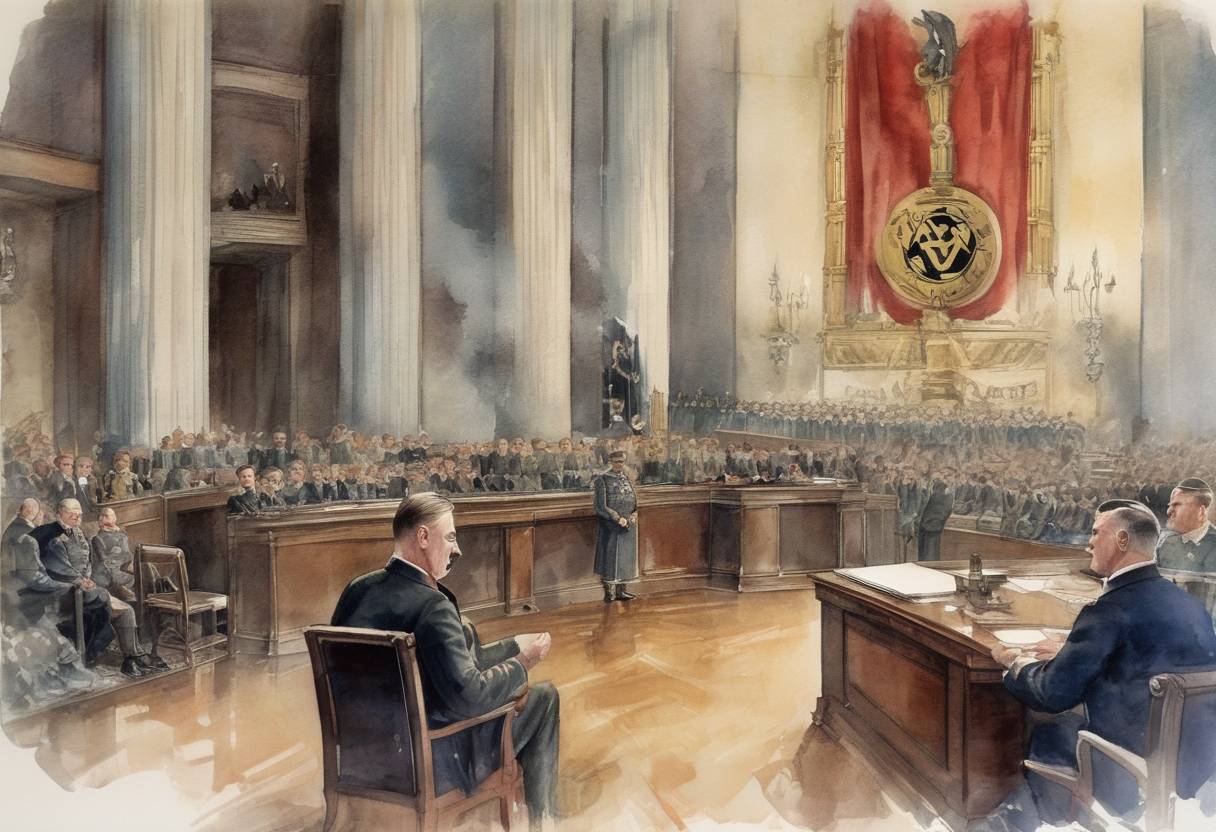
On January 30, 1933, Adolf Hitler was appointed Chancellor of Germany by President Paul von Hindenburg. This pivotal moment marked a significant turning point in German and world history, as it set the stage for the establishment of a totalitarian regime under the National Socialist German Workers’ Party (NSDAP), commonly known as the Nazi Party.
Weimar Republic Instability: The Weimar Republic, established after World War I, was plagued by economic instability, political fragmentation, and social unrest. The Great Depression of 1929 further exacerbated these issues, leading to widespread unemployment and discontent.
Rise of the Nazi Party: The Nazi Party, led by Adolf Hitler, capitalized on the economic woes and nationalistic fervor of the time. By promising to restore Germany’s former glory, they gained significant support, becoming the largest party in the Reichstag (German parliament) by July 1932.
Political Maneuvering: Despite their electoral success, the Nazis did not have an outright majority. Political intrigue and backroom deals played a crucial role in Hitler’s appointment. Key figures, including former Chancellor Franz von Papen, believed they could control Hitler and use his popularity to stabilize the government.
Appointment Ceremony: On the morning of January 30, 1933, Adolf Hitler was officially appointed Chancellor by President Hindenburg in a ceremony held at the Presidential Palace in Berlin.
Formation of a Coalition Government: Hitler’s cabinet was a coalition, with only three out of eleven ministers being members of the Nazi Party. This was part of the strategy by conservative politicians to limit Nazi influence.
Consolidation of Power: Once in power, Hitler moved quickly to consolidate his position. The Reichstag Fire in February 1933 was used as a pretext to pass the Reichstag Fire Decree, which suspended civil liberties and allowed for the arrest of political opponents.
Enabling Act: In March 1933, the Enabling Act was passed, granting Hitler the authority to enact laws without the Reichstag’s consent, effectively establishing a legal dictatorship.
Impact on Germany and the World: Hitler’s appointment and subsequent actions led to the dismantling of democratic institutions in Germany and the establishment of a totalitarian state. This set the stage for aggressive expansionist policies, ultimately leading to World War II and the Holocaust.
The appointment of Adolf Hitler as Chancellor is a critical event in 20th-century history. It highlights the dangers of political instability, the manipulation of democratic processes, and the consequences of underestimating extremist ideologies. The events that followed had profound and lasting impacts on global history, shaping the geopolitical landscape for decades to come.
Source: en.wikipedia.org