Francis Xavier Arrives in Kagoshima, Japan - August 15, 1549
1549 · Kagoshima, Japan
Francis Xavier arrives in Kagoshima, Japan, as the first Jesuit missionary to the region, marking the beginning of Christian missions in Japan.
June 26, 0699
En no Ozuno, a Japanese ascetic and mystic, was banished to Izu Ōshima. He is considered the founder of the Shugendō religion, which combines elements of Buddhism, Shinto, and Taoism.
Izu Ōshima, Japan | Japanese Imperial Court
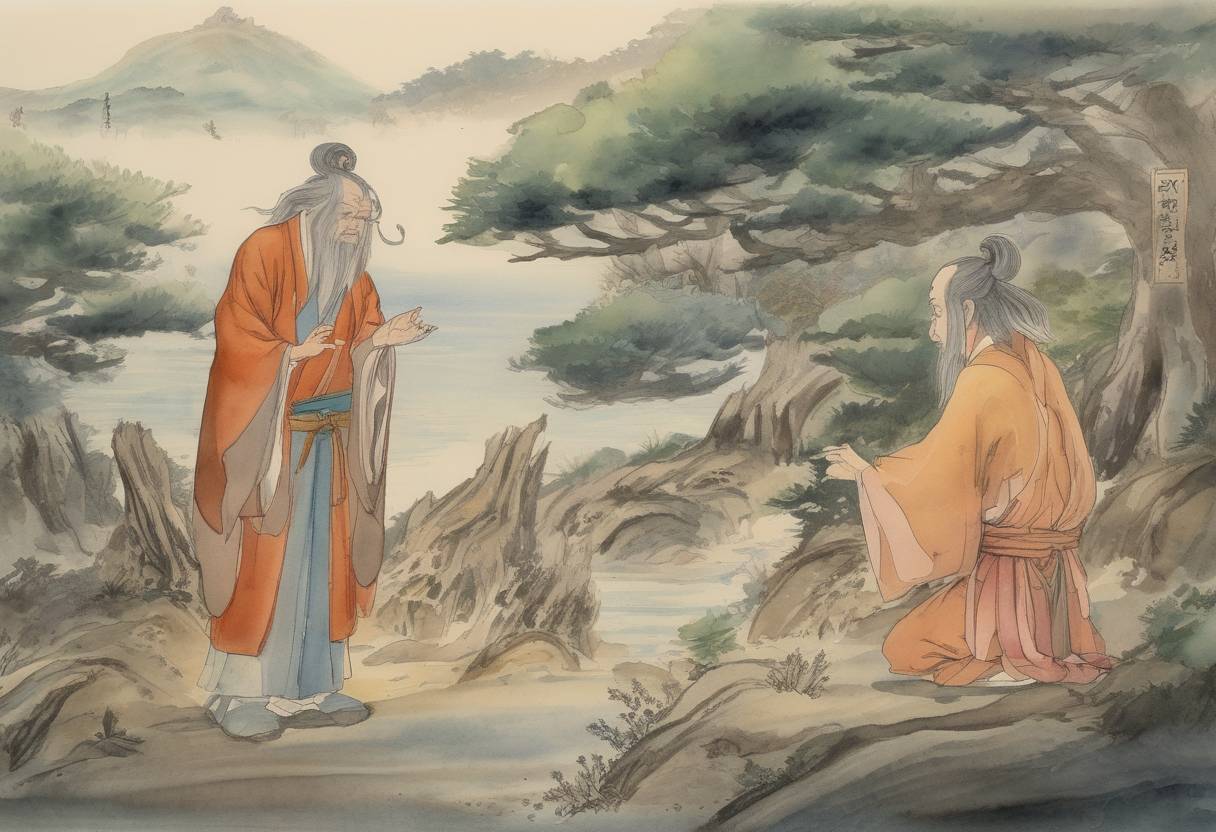
En no Ozuno, also known as En no Gyōja, was a legendary Japanese ascetic and mystic who lived during the late 7th century. He is traditionally credited as the founder of Shugendō, a syncretic religion that blends elements of Buddhism, Shinto, and Taoism. Shugendō emphasizes ascetic practices and mountain worship, with practitioners known as yamabushi.
On June 26, 699, En no Ozuno was banished to Izu Ōshima, an island in the Izu archipelago. The reasons for his banishment are rooted in his growing influence and the suspicion he aroused among the political and religious authorities of the time. According to historical accounts, he was accused of using sorcery to manipulate people and events, which led to his exile.
Religious Climate: During the late 7th century, Japan was undergoing significant religious and political transformations. Buddhism had been introduced and was gaining prominence, often supported by the ruling elite. However, traditional Shinto beliefs and practices remained influential among the populace.
Shugendō’s Emergence: En no Ozuno’s teachings and practices laid the foundation for Shugendō, which sought to harmonize the diverse religious traditions present in Japan. This syncretic approach allowed for a unique spiritual path that appealed to those seeking direct, experiential engagement with the divine through nature and ascetic practices.
Cultural Impact: Despite his banishment, En no Ozuno’s legacy endured. Shugendō became an influential spiritual movement, with its practitioners playing significant roles in Japanese religious and cultural life. The yamabushi, known for their rigorous training and spiritual insights, were respected figures in society.
En no Ozuno’s banishment did not diminish his influence. Over time, he was revered as a semi-legendary figure, and his life became the subject of various myths and legends. His contributions to Japanese spirituality were recognized, and he was later deified as a kami, or spirit, within the Shinto tradition.
En no Ozuno’s life and teachings had a profound impact on Japanese religious history. His banishment to Izu Ōshima on June 26, 699, marks a pivotal moment in the development of Shugendō, highlighting the complex interplay between religious innovation and political authority in ancient Japan. His legacy continues to be celebrated in various cultural and religious contexts today.
Source: en.wikipedia.org