Wikileaks Publishes the Afghan War Diary: July 25, 2010
2010 · N/A, N/A
Wikileaks publishes classified documents about the War in Afghanistan, known as the Afghan War Diary, which consists of over 75,000 documents.
August 3, 2010
Wikileaks releases over 75,000 classified documents related to the War in Afghanistan, known as the Afghan War Diary.
N/A, N/A | Wikileaks
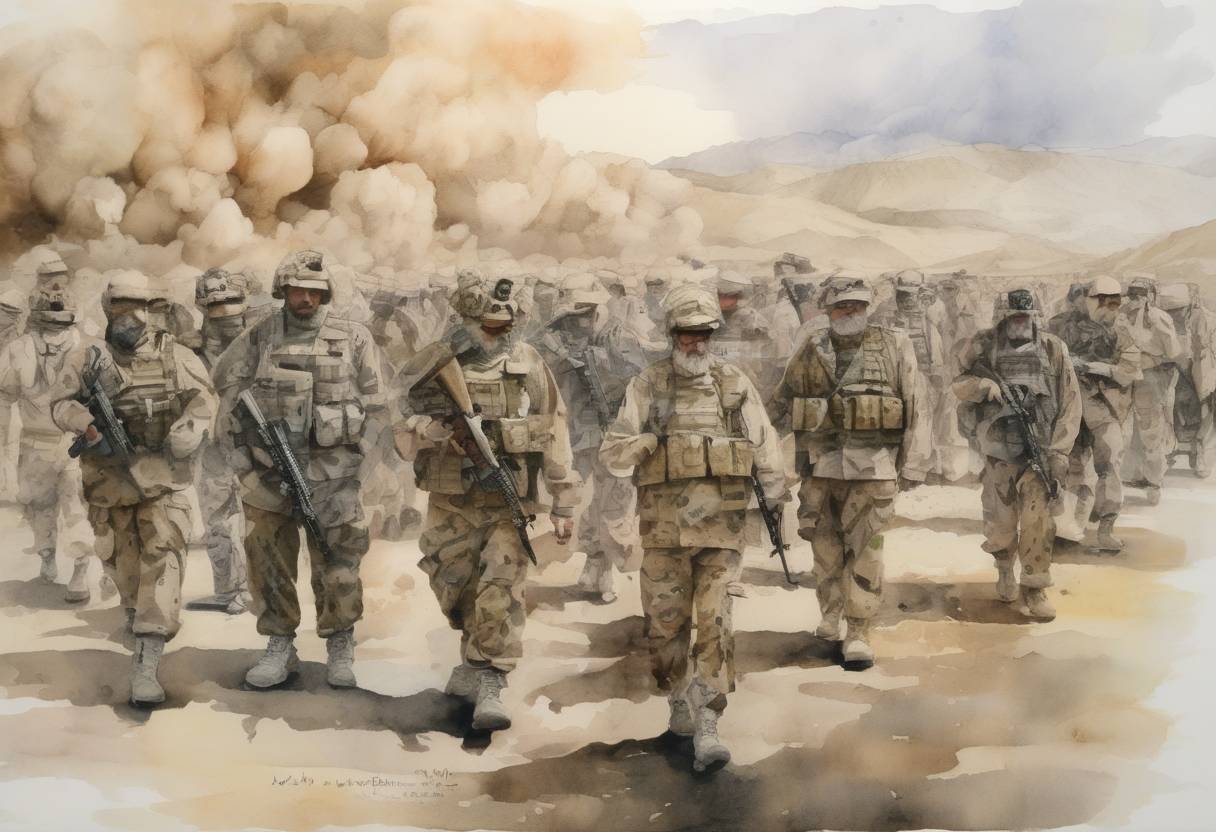
On August 3, 2010, WikiLeaks, an international non-profit organization known for publishing classified information, released over 75,000 classified documents related to the War in Afghanistan. This release, known as the “Afghan War Diary,” provided a detailed, unfiltered view of the U.S. military’s operations in Afghanistan from 2004 to 2010.
WikiLeaks: Founded in 2006 by Julian Assange, WikiLeaks aims to bring important news and information to the public. It became widely known for publishing sensitive and classified documents from anonymous sources.
The War in Afghanistan: Initiated in 2001 following the September 11 attacks, the U.S.-led invasion aimed to dismantle al-Qaeda and remove the Taliban from power. By 2010, the conflict had become the longest-running war in U.S. history.
Scope: The documents, primarily U.S. military incident and intelligence reports, covered a wide range of topics including military operations, civilian casualties, and the role of Pakistan and Iran in the conflict.
Civilian Casualties: The logs revealed numerous previously unreported incidents of civilian casualties, highlighting the war’s human cost and sparking debates about the conduct of military operations.
Pakistan’s Role: The documents suggested that elements within Pakistan’s Inter-Services Intelligence (ISI) were supporting the Taliban, complicating the U.S.-Pakistan relationship.
Operational Details: The logs provided insights into the day-to-day operations of coalition forces, including tactical decisions and challenges faced on the ground.
U.S. Government: The release was condemned by the U.S. government, which argued that it endangered lives and national security. Officials emphasized the potential risks to Afghan informants and military personnel.
Public and Media: The release sparked widespread media coverage and public debate about the transparency of military operations and the ethical implications of leaking classified information.
Legal and Ethical Implications: The release raised questions about the balance between government secrecy and the public’s right to know, as well as the responsibilities of media organizations in handling sensitive information.
Impact on WikiLeaks: The Afghan War Diary solidified WikiLeaks’ reputation as a major player in the realm of whistleblowing and transparency, setting the stage for future high-profile releases, including the Iraq War Logs and U.S. diplomatic cables.
Transparency and Accountability: The release intensified discussions on government transparency and accountability, influencing public perceptions of the Afghan War and U.S. foreign policy.
Policy and Military Strategy: The revelations contributed to ongoing debates about military strategy and policy in Afghanistan, influencing both public opinion and political discourse.
In summary, the release of the Afghan War Diary by WikiLeaks on August 3, 2010, marked a significant moment in the history of whistleblowing and transparency, shedding light on the complexities and challenges of the War in Afghanistan and prompting widespread debate on the ethics of leaking classified information.
Source: www.theguardian.com