Assassination of Francisco Pizarro
1541 · Lima, Peru
Francisco Pizarro, the Spanish conquistador known for conquering the Inca Empire, was assassinated by forces of rival Spanish conquistador Diego de Almagro II in Lima, Peru.
May 12, 1551
The National University of San Marcos, the oldest university in the Americas, was founded in Lima, Peru. It played a crucial role in the intellectual and cultural development of Latin America.
Lima, Peru | National University of San Marcos
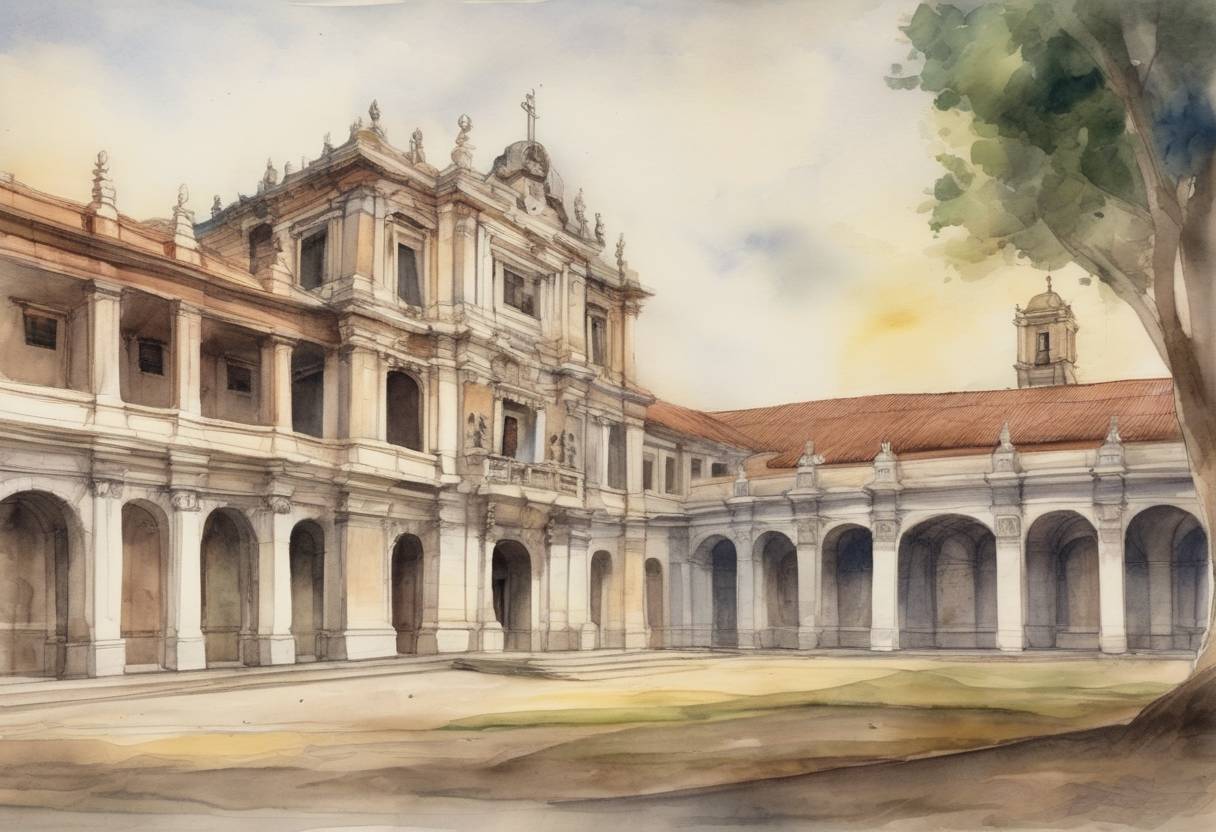
The National University of San Marcos, known in Spanish as “Universidad Nacional Mayor de San Marcos” (UNMSM), was founded on May 12, 1551, in Lima, Peru. It holds the distinction of being the oldest officially established university in the Americas. The university was established by a royal decree issued by King Charles V of Spain, reflecting the Spanish Crown’s interest in promoting higher education in its colonies.
The mid-16th century was a period of significant expansion and consolidation for the Spanish Empire in the New World. The establishment of educational institutions like San Marcos was part of a broader effort to spread European knowledge, culture, and religious doctrine. The university was initially intended to train clergy and civil servants who would serve in the colonial administration.
San Marcos quickly became a center for intellectual and cultural development in Latin America. It offered courses in theology, law, medicine, and the arts, which were essential for the administration and governance of the Spanish colonies. The university attracted scholars and students from across the continent, contributing to a vibrant academic community.
Intellectual Hub: San Marcos played a pivotal role in fostering intellectual discourse and scholarly activities in the region. It was instrumental in the dissemination of European Enlightenment ideas, which later influenced independence movements across Latin America.
Cultural Influence: The university was a melting pot of diverse cultural and intellectual traditions, blending indigenous knowledge with European academic practices. This fusion contributed to the unique cultural identity of Latin America.
Notable Alumni: Over the centuries, San Marcos has produced numerous influential figures in politics, literature, and science, including several presidents of Peru and renowned writers and intellectuals.
Today, the National University of San Marcos continues to be a leading institution of higher learning in Peru and Latin America. It remains committed to academic excellence and research, maintaining its status as a prestigious university with a rich historical legacy.
The foundation of the National University of San Marcos marked a significant milestone in the history of education in the Americas. Its establishment not only provided a model for other universities in the region but also laid the groundwork for the intellectual and cultural development that would shape Latin American societies for centuries to come.
Source: en.wikipedia.org