Park Geun-hye Elected as South Korea's First Female President
2012 · Seoul, South Korea
Park Geun-hye is elected as the first female president of South Korea.
May 10, 2017
South Korea elected Moon Jae-in as president following the impeachment of Park Geun-hye.
Seoul, South Korea | South Korean Government
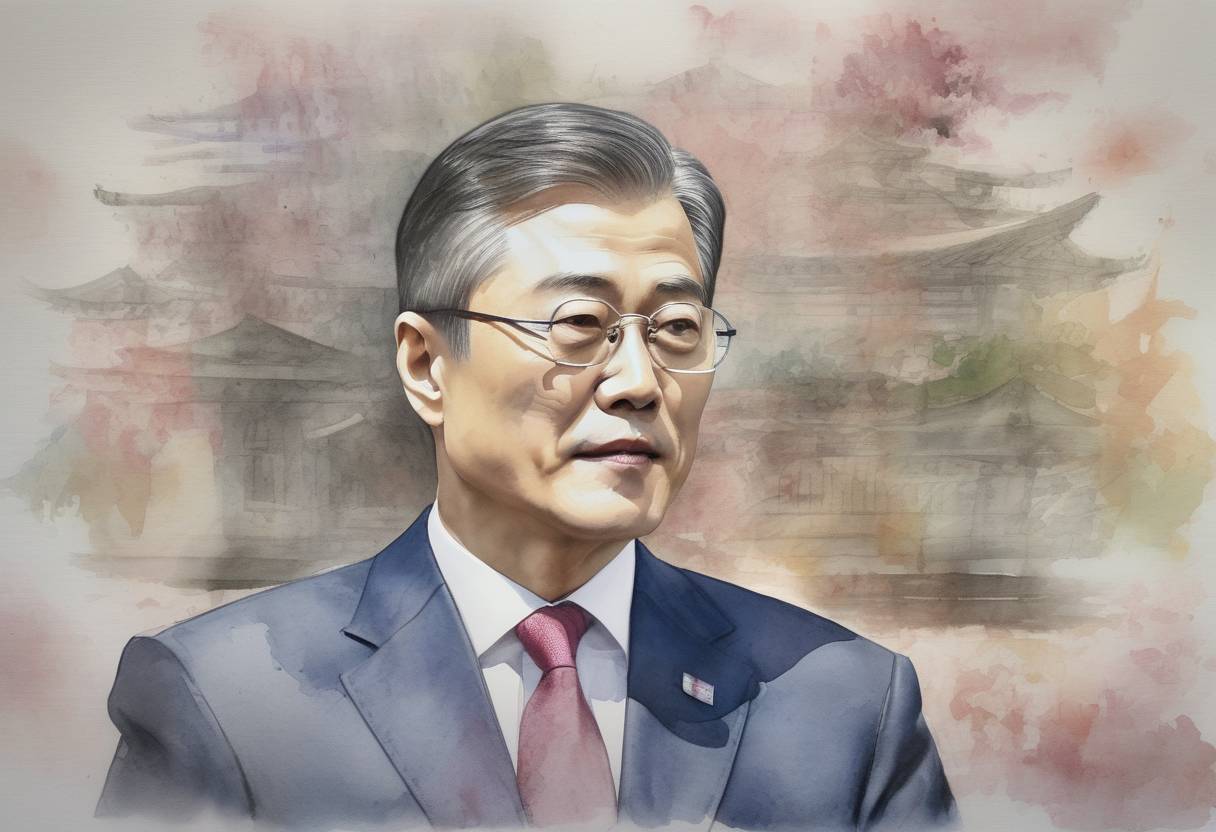
On May 10, 2017, Moon Jae-in was elected as the President of South Korea, marking a significant political shift in the country. This election followed the impeachment of former President Park Geun-hye, who was removed from office due to a corruption scandal.
Impeachment of Park Geun-hye: Park Geun-hye, South Korea’s first female president, was impeached by the National Assembly in December 2016. The impeachment was upheld by the Constitutional Court in March 2017, leading to her removal from office. The scandal involved allegations of corruption, abuse of power, and collusion with her close confidante, Choi Soon-sil, who was accused of using her influence to extort money from businesses.
Political Climate: The impeachment and subsequent removal of Park Geun-hye created a volatile political environment in South Korea. Public dissatisfaction with corruption and the desire for political reform were at an all-time high, setting the stage for a pivotal election.
Candidate Profile: Moon Jae-in, a former human rights lawyer and leader of the Democratic Party of Korea, was a prominent figure in South Korean politics. He had previously run for president in 2012 but was defeated by Park Geun-hye.
Election Campaign: Moon’s campaign focused on transparency, reform, and addressing economic inequality. He promised to tackle corruption, improve relations with North Korea, and create a more equitable society.
Election Results: Moon Jae-in won the presidency with a significant margin, securing 41.1% of the vote. His victory was seen as a mandate for change and a rejection of the previous administration’s policies.
Policy Changes: As president, Moon Jae-in pursued a policy of engagement with North Korea, leading to several high-profile summits with North Korean leader Kim Jong-un. He also focused on domestic reforms, including measures to reduce the power of chaebols (large family-owned business conglomerates) and improve labor rights.
Impact on South Korean Politics: Moon’s election marked a shift towards more progressive policies in South Korea. It also highlighted the public’s demand for accountability and transparency in government.
Legacy: Moon Jae-in’s presidency is noted for its efforts to improve inter-Korean relations and address social issues within South Korea. His administration faced challenges, including economic pressures and ongoing tensions with North Korea, but it also made strides in promoting peace and reform.
Moon Jae-in’s election was a pivotal moment in South Korean history, reflecting the country’s desire for change and setting the stage for a new era in its political landscape.
Source: www.bbc.com