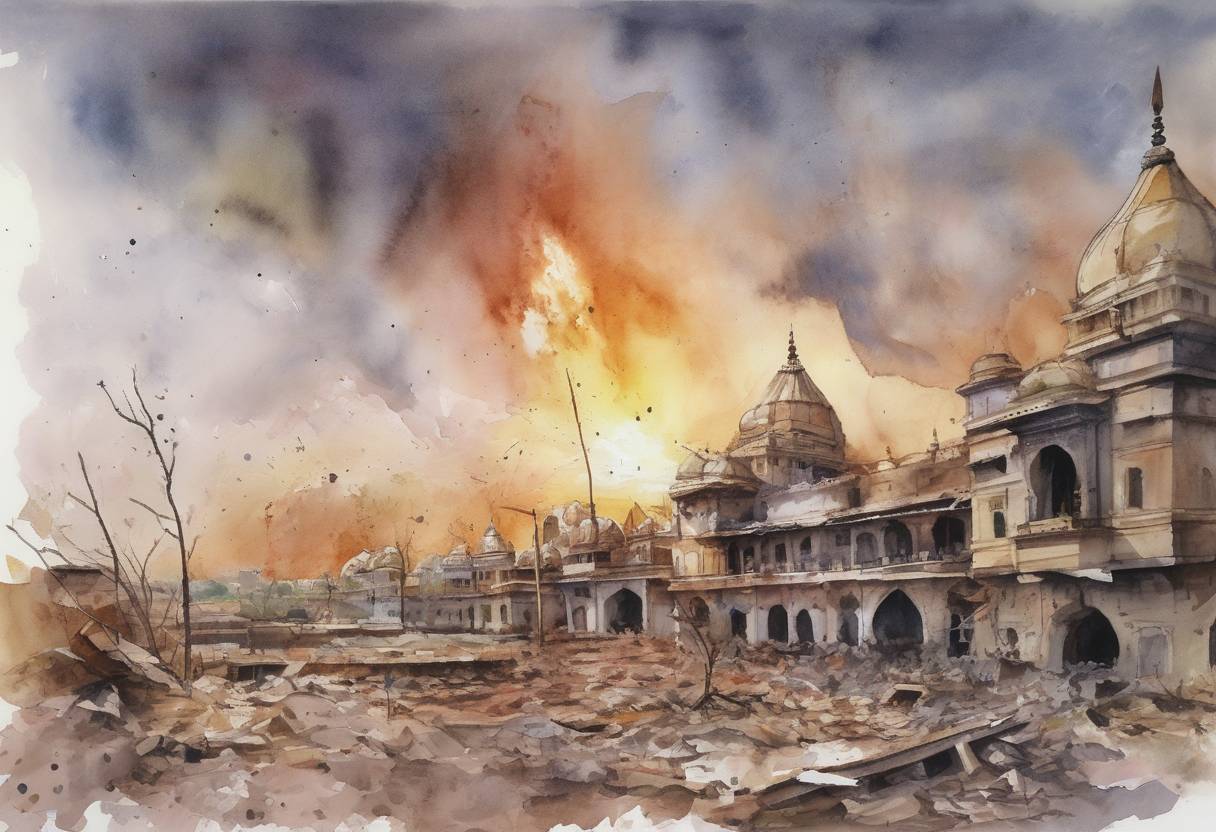
The 2001 Gujarat Earthquake
On January 26, 2001, a devastating earthquake struck the Indian state of Gujarat. This seismic event, measuring 7.7 on the moment magnitude scale, resulted in significant loss of life and widespread destruction.
Context and Background
- Geographical Setting: Gujarat is located in the western part of India, a region known for its seismic activity due to the tectonic movements of the Indian Plate.
- Date and Time: The earthquake occurred on January 26, 2001, at 08:46 AM local time. This date coincided with India’s Republic Day, a national holiday, which meant that many people were at home or participating in celebrations.
The Earthquake
- Epicenter: The epicenter was near the town of Bhuj in the Kutch district, approximately 20 kilometers northeast of the town.
- Magnitude and Depth: The earthquake registered a magnitude of 7.7 and had a shallow depth of about 16 kilometers, which contributed to its destructive power.
Impact
- Casualties: The earthquake resulted in the deaths of approximately 20,000 people, with tens of thousands more injured. The high casualty rate was partly due to the collapse of poorly constructed buildings.
- Property Damage: Over a million structures were damaged or destroyed, including homes, schools, hospitals, and historical buildings. The towns of Bhuj, Anjar, and Bhachau were among the worst affected.
- Economic Loss: The economic impact was substantial, with estimates of damage reaching billions of dollars. The disaster severely affected the local economy, particularly agriculture and industry.
Response and Aftermath
- Rescue and Relief Efforts: The Indian government, along with international aid organizations, launched extensive rescue and relief operations. The Indian Army played a crucial role in providing immediate assistance.
- Reconstruction: The reconstruction process was a massive undertaking, involving rebuilding infrastructure and homes. Efforts were made to improve building codes and construction practices to mitigate future risks.
- Long-term Effects: The earthquake highlighted the need for better disaster preparedness and response mechanisms in India. It also led to increased awareness and implementation of seismic safety measures in construction.
Historical Significance
- Policy Changes: The disaster prompted significant changes in India’s approach to disaster management, including the establishment of the National Disaster Management Authority (NDMA).
- Cultural Impact: The earthquake had a profound impact on the communities of Gujarat, influencing local culture and collective memory.
The 2001 Gujarat earthquake remains one of the deadliest and most destructive natural disasters in India’s history, serving as a stark reminder of the region’s vulnerability to seismic events and the importance of preparedness and resilience.