Thomas Paine Publishes "Common Sense" - January 10, 1776
1776 · Philadelphia, United States
Thomas Paine publishes his pamphlet 'Common Sense' advocating American independence.
January 11, 1759
The first American life insurance company was incorporated in Philadelphia.
Philadelphia, United States | Presbyterian Ministers' Fund
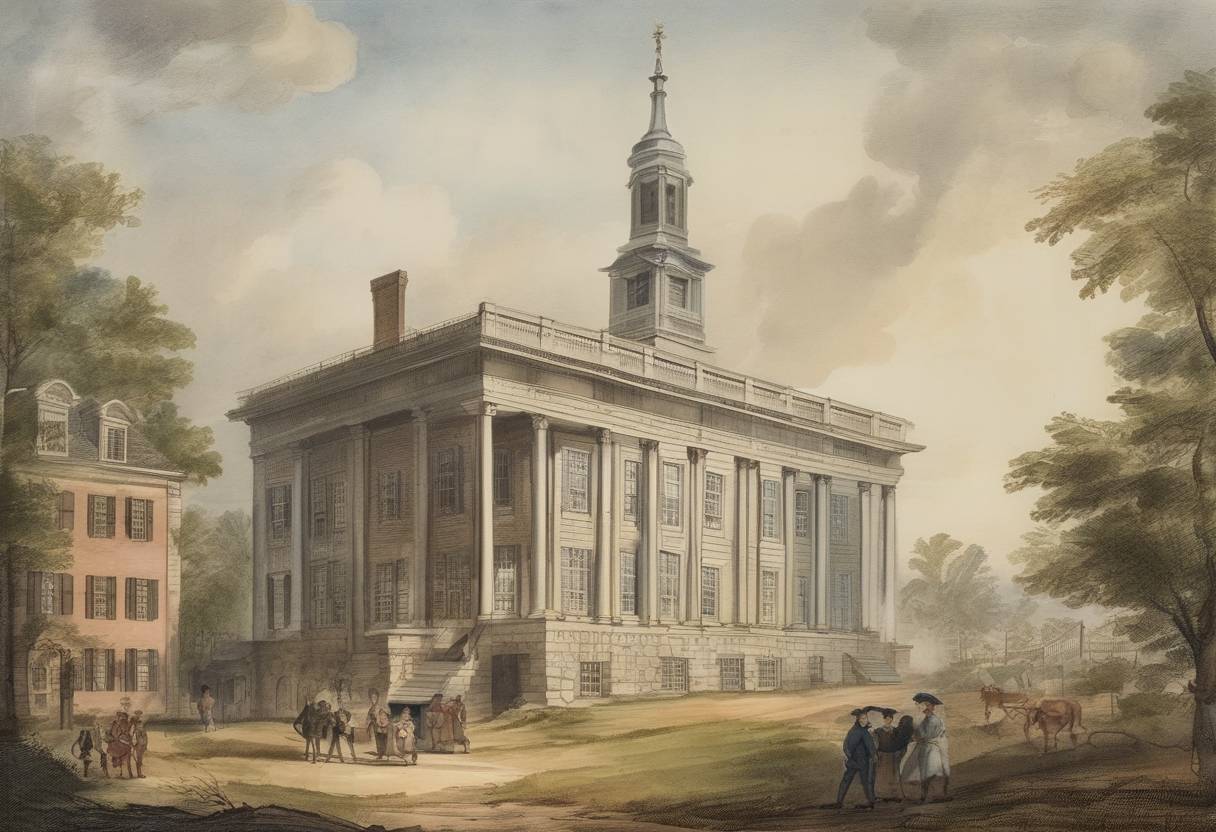
On January 11, 1759, the first life insurance company in America was incorporated in Philadelphia, marking a significant milestone in the financial history of the United States. This company, known as the “Corporation for Relief of Poor and Distressed Widows and Children of Presbyterian Ministers,” was established to provide financial security to the families of deceased Presbyterian ministers.
18th Century Philadelphia: At the time, Philadelphia was a burgeoning hub of commerce and innovation in the American colonies. It was a city that attracted thinkers and entrepreneurs who were eager to establish new institutions and ideas.
Religious and Social Considerations: The establishment of the life insurance company was deeply rooted in the social and religious fabric of the time. The Presbyterian Church, like many religious institutions, was concerned with the welfare of its members, particularly the families of ministers who often faced financial difficulties upon the death of the primary breadwinner.
Purpose: The primary aim was to provide financial relief to the widows and children of Presbyterian ministers, ensuring they were not left destitute after the death of a family member.
Structure: The company operated on a mutual aid basis, where members contributed to a common fund. This fund was then used to support the beneficiaries, reflecting early principles of mutual insurance.
Foundation for Modern Insurance: This incorporation laid the groundwork for the development of the life insurance industry in America. It introduced concepts of risk management and financial planning that would evolve significantly over the following centuries.
Economic Impact: By providing financial security, the company contributed to the economic stability of families, allowing them to maintain their livelihoods and continue contributing to the community.
Cultural Influence: The establishment of such a company highlighted the growing importance of financial institutions in colonial America and reflected a shift towards more organized and systematic approaches to social welfare.
Growth of the Insurance Industry: Following the success of this initial venture, the insurance industry in America expanded rapidly. By the 19th century, numerous life insurance companies had been established, catering to a broader demographic beyond religious affiliations.
Modern Insurance Practices: The principles and practices pioneered by the Corporation for Relief of Poor and Distressed Widows and Children of Presbyterian Ministers have influenced modern insurance policies, emphasizing the importance of providing for dependents and managing financial risk.
In summary, the incorporation of the first American life insurance company in 1759 was a pioneering step in the development of financial services in the United States. It not only addressed immediate social needs but also set the stage for the evolution of a critical industry that continues to play a vital role in the economy today.
Source: www.britannica.com