Space Shuttle Discovery: STS-114 Mission
2005 · Cape Canaveral, United States
The Space Shuttle Discovery was launched on mission STS-114, marking NASA's first return to flight since the Columbia disaster in 2003.
February 3, 2003
The Space Shuttle Columbia disaster investigation begins after the shuttle disintegrated upon re-entry on February 1, 2003, killing all seven astronauts on board.
Washington, D.C., United States | NASA
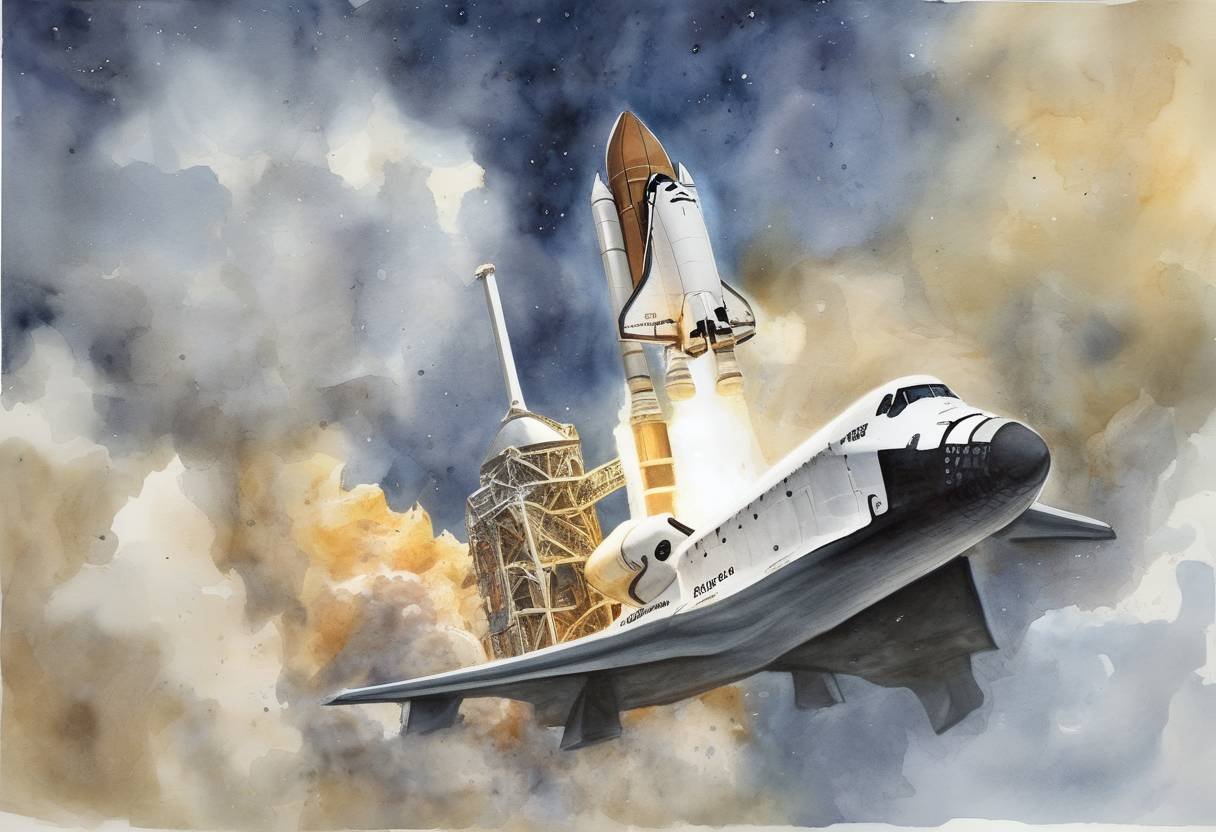
On February 1, 2003, the Space Shuttle Columbia tragically disintegrated upon re-entry into Earth’s atmosphere, resulting in the loss of all seven astronauts aboard. This disaster marked a significant moment in space exploration history, prompting an immediate investigation to determine the causes and prevent future occurrences.
Columbia, designated as STS-107, was on a scientific research mission that had launched on January 16, 2003. During the launch, a piece of foam insulation broke off from the external tank and struck the left wing of the shuttle. This incident was captured on video, but its potential impact was not fully understood at the time.
Two days after the disaster, on February 3, 2003, the investigation into the Columbia disaster officially began. The investigation was led by the Columbia Accident Investigation Board (CAIB), which was tasked with uncovering the technical and organizational factors that contributed to the tragedy.
Determine the Cause: The primary goal was to identify the exact cause of the shuttle’s disintegration. Initial suspicions focused on the foam strike during launch.
Analyze Shuttle Debris: Investigators collected and analyzed debris scattered across Texas and Louisiana to piece together the sequence of events leading to the disaster.
Review NASA’s Procedures: The investigation scrutinized NASA’s decision-making processes, safety protocols, and organizational culture to identify any systemic issues.
Provide Recommendations: The CAIB aimed to offer recommendations to enhance the safety of future shuttle missions and prevent similar incidents.
The CAIB’s final report, released in August 2003, confirmed that the foam strike had critically damaged the thermal protection system on Columbia’s left wing, leading to the shuttle’s destruction upon re-entry. The report also highlighted organizational failings within NASA, including inadequate safety measures and communication lapses.
Shuttle Program Suspension: The Space Shuttle program was temporarily suspended to address the identified issues and implement safety improvements.
Policy Changes: NASA underwent significant policy and procedural changes to enhance safety and risk management in future missions.
Legacy: The Columbia disaster underscored the inherent risks of space exploration and the need for rigorous safety standards, influencing future space missions and policies.
The investigation into the Columbia disaster was a pivotal moment in NASA’s history, leading to profound changes in how space missions are conducted and managed, ensuring the safety of astronauts and the success of future endeavors.
Source: www.nasa.gov