Impeachment of President Bill Clinton
1998 · Washington, D.C., United States
The United States House of Representatives impeached President Bill Clinton on charges of perjury and obstruction of justice.
July 10, 2002
The United States House of Representatives voted to expel Congressman James Traficant following his conviction on charges of bribery, racketeering, and tax evasion.
Washington, D.C., United States | United States House of Representatives
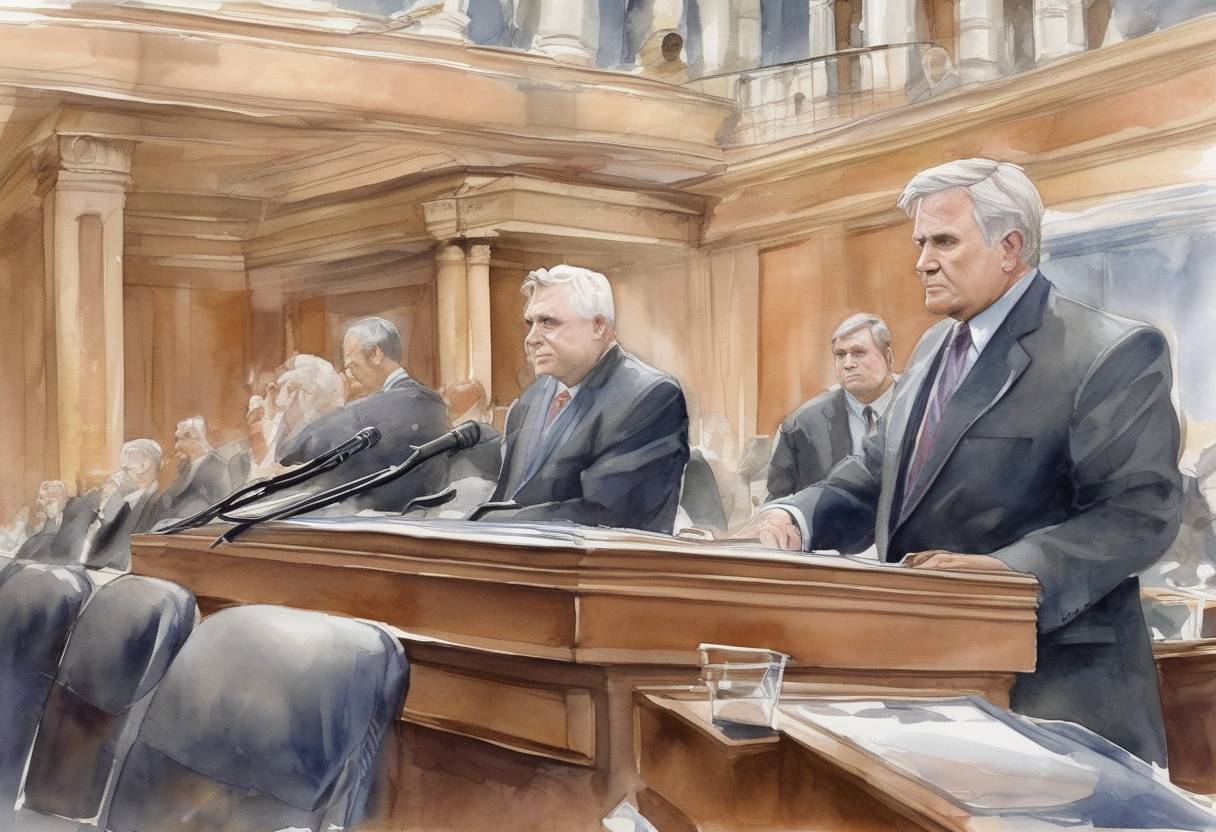
On July 24, 2002, the United States House of Representatives voted to expel Congressman James Traficant following his conviction on charges of bribery, racketeering, and tax evasion. This marked a significant moment in U.S. political history, as expulsion from the House is a rare occurrence.
James Traficant was a Democratic Congressman from Ohio, known for his flamboyant personality and distinctive style, including his trademark toupee and colorful speeches. He first entered Congress in 1985 and served until his expulsion in 2002. Traficant was a controversial figure, often clashing with both his party and opponents, and was known for his populist rhetoric.
Investigation and Charges: Traficant’s legal troubles began with an investigation into his financial dealings. He was accused of accepting bribes, demanding kickbacks from his staff, and using his office for personal gain. The investigation culminated in a federal indictment on charges of bribery, racketeering, and tax evasion.
Trial and Conviction: In April 2002, Traficant was convicted on ten counts, including bribery, racketeering, and tax evasion. The trial revealed extensive evidence of corruption, including testimonies from former aides and associates who detailed his illegal activities.
House Ethics Committee: Following his conviction, the House Ethics Committee recommended expulsion. The committee’s report highlighted the severity of Traficant’s offenses and the breach of public trust.
House Vote: On July 24, 2002, the House of Representatives voted 420-1 to expel Traficant. This decisive vote underscored the bipartisan consensus on the need to uphold ethical standards in Congress.
Consequences for Traficant: Following his expulsion, Traficant served a seven-year prison sentence. Despite his conviction and expulsion, he remained a polarizing figure and attempted a political comeback after his release, though he was unsuccessful.
Historical Context: Traficant’s expulsion was only the second since the Civil War era, highlighting the gravity of his misconduct. The case underscored the importance of ethical conduct in public office and the mechanisms in place to address corruption.
Broader Implications: The expulsion served as a reminder of the accountability mechanisms within the U.S. political system and the expectation of integrity from elected officials. It also sparked discussions on the need for transparency and reform in political processes.
In summary, the expulsion of James Traficant was a significant event in U.S. political history, reflecting the serious consequences of corruption and the commitment of the House of Representatives to maintain ethical standards.
Source: www.nytimes.com