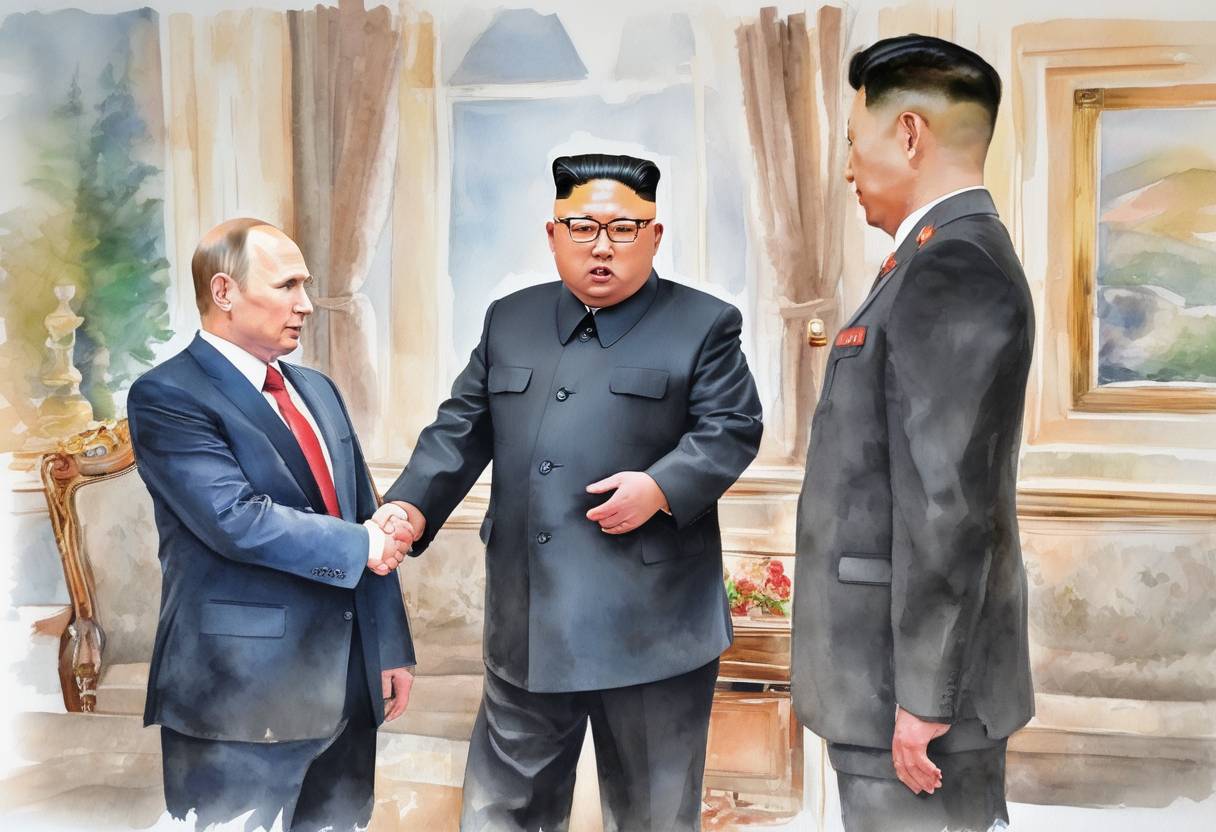
Kim Jong-un and Vladimir Putin’s First Meeting in Vladivostok
On April 25, 2019, North Korean leader Kim Jong-un met with Russian President Vladimir Putin for the first time in Vladivostok, Russia. This meeting marked a significant moment in international relations, as it underscored the evolving dynamics on the Korean Peninsula and the broader geopolitical landscape.
Context Leading Up to the Meeting
North Korea’s Diplomatic Engagements: Prior to this meeting, Kim Jong-un had been actively engaging in diplomacy, notably with the United States and South Korea. The 2018 summits with South Korean President Moon Jae-in and U.S. President Donald Trump were pivotal in reducing tensions on the Korean Peninsula.
Russia’s Role: Russia has historically maintained a strategic interest in the Korean Peninsula, seeking to balance its relationships with both North and South Korea. The meeting with Kim Jong-un was an opportunity for Russia to assert its influence in the region and participate in discussions about denuclearization and economic cooperation.
Key Discussions and Outcomes
Bilateral Relations: The meeting focused on strengthening bilateral ties between North Korea and Russia. Both leaders expressed a desire to enhance economic cooperation, particularly in areas such as transportation, energy, and agriculture.
Denuclearization: A central topic was the denuclearization of the Korean Peninsula. Putin emphasized Russia’s support for a peaceful resolution and the importance of addressing North Korea’s security concerns as part of any denuclearization agreement.
Sanctions and Economic Support: While specific agreements were not publicly detailed, the discussions likely touched on the impact of international sanctions on North Korea and potential Russian support in mitigating these effects.
Broader Historical Significance
Geopolitical Implications: The meeting highlighted Russia’s intention to play a more active role in Korean Peninsula affairs, potentially serving as a counterbalance to U.S. influence in the region.
North Korea’s Strategic Positioning: For Kim Jong-un, engaging with Russia was part of a broader strategy to diversify North Korea’s diplomatic and economic partnerships, reducing reliance on China and gaining leverage in negotiations with the United States.
Regional Stability: The summit underscored the complex interplay of regional powers in addressing the challenges of denuclearization and peace on the Korean Peninsula, with Russia positioning itself as a key stakeholder.
In conclusion, the Vladivostok meeting between Kim Jong-un and Vladimir Putin was a significant diplomatic event, reflecting the shifting alliances and strategic calculations in Northeast Asia. It demonstrated both leaders’ interests in expanding their countries’ influence and addressing critical regional issues through dialogue and cooperation.