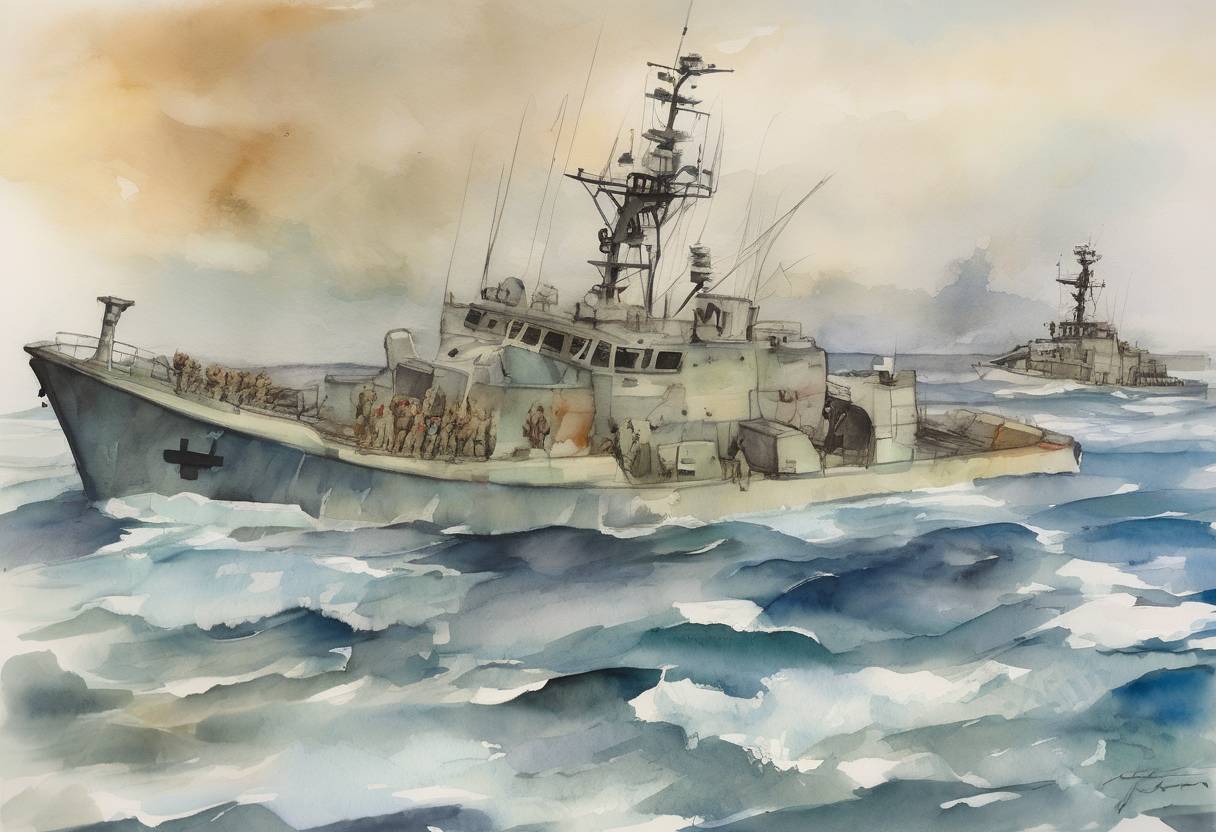
The Gaza Flotilla Raid: May 31, 2010
On May 31, 2010, a significant and controversial event unfolded in the eastern Mediterranean Sea when Israeli naval forces intercepted a flotilla of ships attempting to breach the naval blockade of the Gaza Strip. This incident, known as the Gaza Flotilla Raid, resulted in the deaths of nine activists and sparked widespread international condemnation.
Background
The Gaza Strip, a small Palestinian territory, has been under an Israeli blockade since 2007, following the takeover by Hamas, a Palestinian militant group. The blockade was intended to prevent weapons from reaching Hamas, but it also severely restricted the movement of goods and people, leading to significant humanitarian concerns.
In response to the blockade, a coalition of pro-Palestinian activists organized a flotilla of six ships, carrying humanitarian aid and hundreds of activists from various countries. The flotilla aimed to draw international attention to the blockade and deliver supplies directly to Gaza.
The Interception
On the morning of May 31, 2010, Israeli naval forces intercepted the flotilla in international waters, approximately 70 nautical miles from Gaza. The Israeli government had warned the flotilla not to breach the blockade and offered to deliver the aid through Israeli ports after inspection.
The most significant confrontation occurred on the Mavi Marmara, the largest ship in the flotilla, carrying over 600 activists. When Israeli commandos boarded the vessel, clashes erupted. The commandos, descending from helicopters, encountered resistance from some activists, who used metal rods, knives, and other makeshift weapons. In the ensuing violence, nine activists were killed, and several others, including Israeli soldiers, were injured.
International Reaction
The raid drew immediate and widespread international condemnation. Many countries criticized Israel’s use of force, particularly in international waters, and called for an independent investigation. The United Nations, European Union, and various human rights organizations expressed concern over the incident and the humanitarian situation in Gaza.
Turkey, where most of the deceased activists were from, was particularly vocal in its condemnation. The incident severely strained Turkish-Israeli relations, leading to a diplomatic rift that took years to mend.
Aftermath and Consequences
In response to the international outcry, Israel eased some of the restrictions on goods entering Gaza, allowing more humanitarian aid and construction materials. However, the naval blockade remained in place.
The United Nations Human Rights Council conducted an investigation, concluding that Israel’s actions were “disproportionate” and violated international law. Conversely, an Israeli inquiry found the blockade legal and the commandos’ actions justified, citing self-defense.
The incident highlighted the complex and contentious nature of the Israeli-Palestinian conflict and underscored the international community’s divided views on the blockade and broader Middle East peace efforts.
Broader Historical Significance
The Gaza Flotilla Raid remains a pivotal moment in the Israeli-Palestinian conflict, illustrating the challenges of balancing security concerns with humanitarian needs. It also emphasized the role of international activism and diplomacy in addressing regional conflicts and the ongoing debate over the legality and morality of blockades in conflict zones.