1041 · Constantinople, Byzantine Empire (modern-day Istanbul, Turkey)
Michael IV, the Byzantine Emperor, dies. Following his death, his nephew Michael V is proclaimed emperor in Constantinople, marking a continuation of the Macedonian dynasty.
December 11, 1041
Michael V Kalaphates was overthrown as Byzantine Emperor following a popular uprising in Constantinople.
Constantinople, Byzantine Empire (modern-day Istanbul, Turkey) | Byzantine Empire
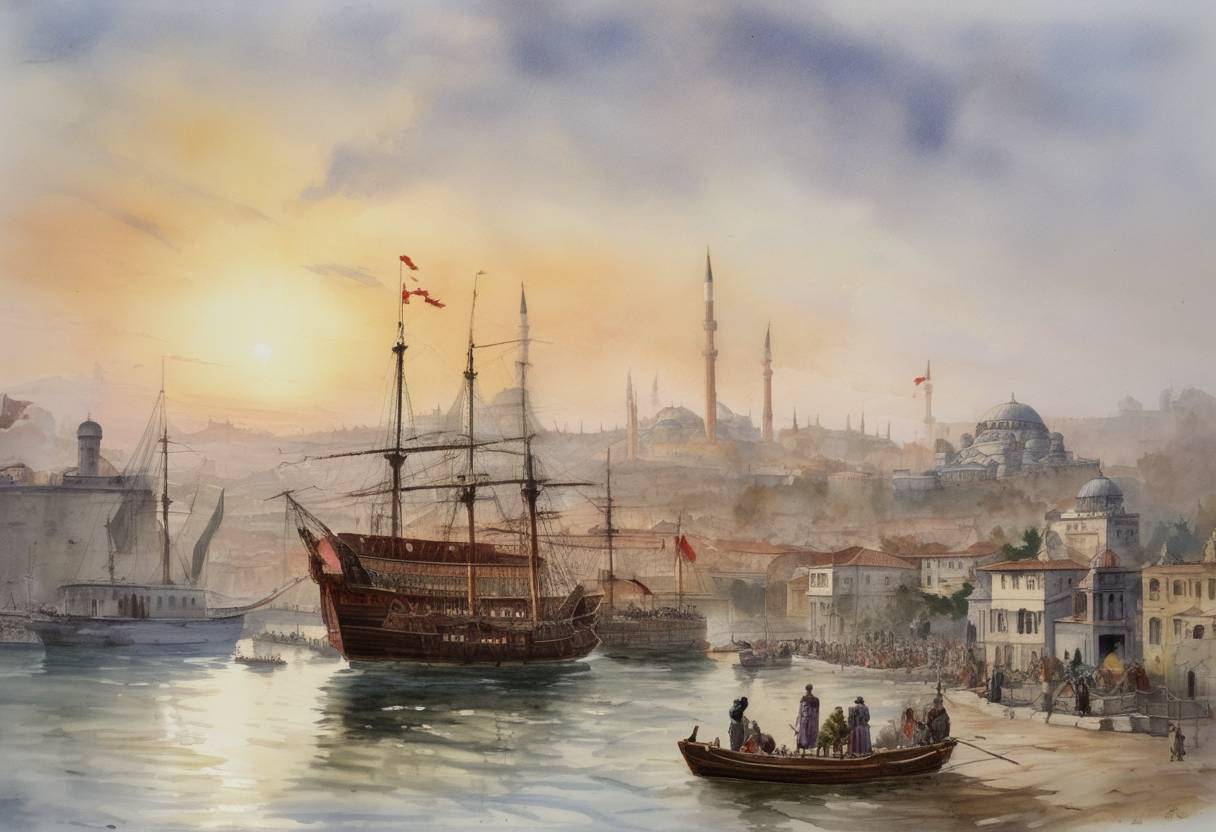
Michael V Kalaphates, the Byzantine Emperor, was overthrown on December 11, 1041, following a popular uprising in Constantinople. His short reign, marked by political tumult and betrayal, culminated in a dramatic fall from power, underscoring the volatility of Byzantine politics during this period.
Michael V was the nephew and adopted son of the previous emperor, Michael IV, and rose to power after Michael IV’s death in December 1041. His ascension to the throne was orchestrated by his influential uncle, John the Orphanotrophos, who was a senior official in the Byzantine court. Michael V, hoping to assert his independence, quickly alienated his supporters by sidelining John and attempting to consolidate power.
A key catalyst for the uprising was Michael V’s decision to exile the popular former empress Zoe, a move that provoked public outrage since she was a member of the Macedonian dynasty, a well-respected lineage in Byzantine history. The citizens of Constantinople revered Zoe, both for her dynastic connections and her prior role in governance. Michael V’s actions were perceived as a betrayal and sparked widespread discontent.
On the night of December 11, 1041, a popular revolt erupted in the capital. Citizens, aggrieved by Michael’s betrayal and fearing for the well-being of Zoe, gathered in mass protests. Support quickly swelled, including segments of the military and political aristocracy, united against the perceived threat to dynastic stability and the established order.
Michael V, realizing the severity of his miscalculations, hastily attempted to reconcile with the populace by restoring Zoe to her previous status. However, it was too late to quell the unrest. The clamor for change was unstoppable, and the resulting turmoil forced Michael V to flee his palace, seeking refuge in a monastery.
Following his deposition, the empresses Zoe and her sister Theodora were proclaimed co-empresses of the Byzantine Empire, marking a brief period of female rule. Michael V was captured, blinded, and subsequently exiled to a monastery, a customary Byzantine punishment for deposed emperors, intended to prevent any return to power.
The overthrow of Michael V Kalaphates exemplifies the Byzantine Empire’s intricate and often unstable political landscape, where allegiance was volatile, and public dissent could rapidly alter the course of imperial leadership. This event also highlights the significant role women of the Macedonian dynasty could play in Byzantine politics, evident in Zoe and Theodora’s subsequent rule. Michael V’s downfall served as a cautionary tale for future rulers about the importance of maintaining public support and respecting dynastic traditions.
Source: en.wikipedia.org