Indonesia AirAsia Flight 8501 Crash
2014 · Java Sea, Indonesia
Indonesia AirAsia Flight 8501 crashed into the Java Sea en route from Surabaya, Indonesia, to Singapore, killing all 162 people on board.
September 11, 2009
A Comorian Airbus A310-300 crashed into the sea off the coast of Comoros due to unknown causes. The incident marked another tragedy in a history of aviation accidents in the area.
near Comoros, Comoros | none
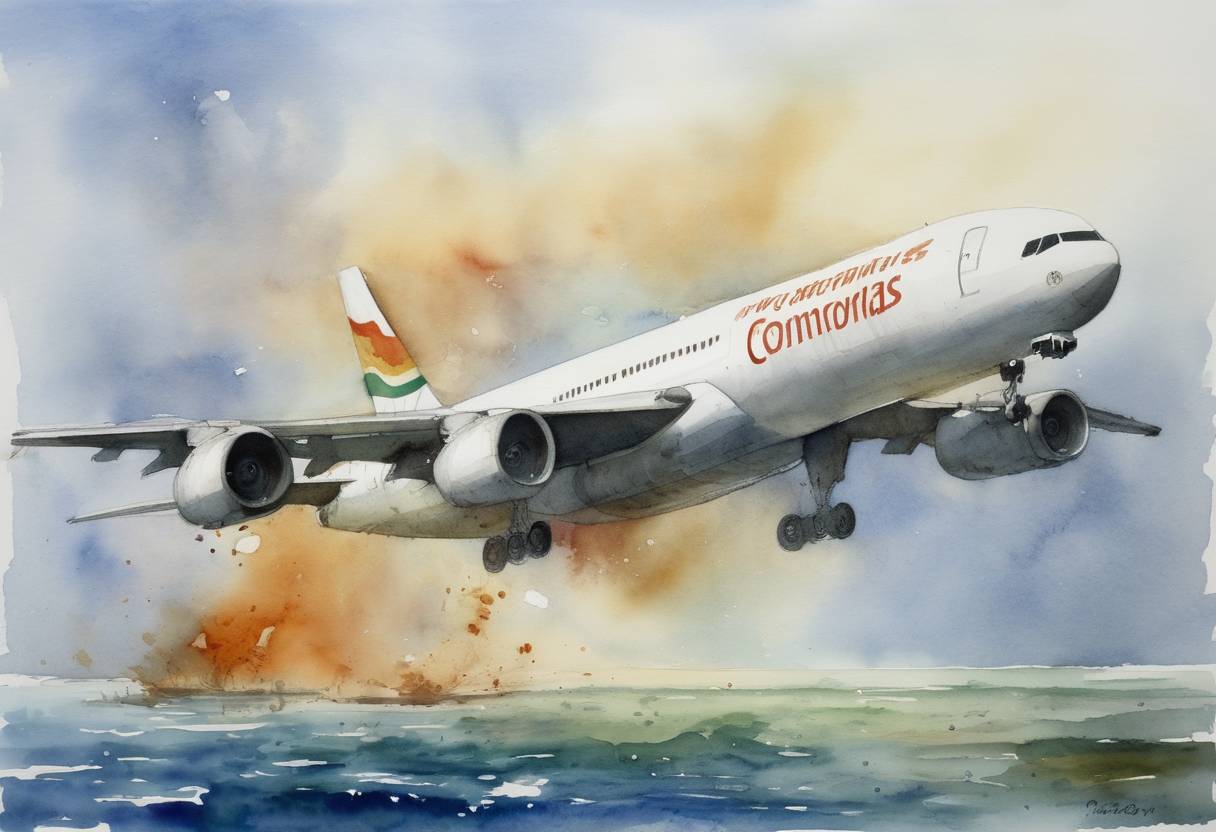
On June 30, 2009, a Yemenia Airbus A310-324 operating as Flight 626 crashed into the Indian Ocean near the Comoros Islands. Although your request mentioned September 11, 2009, the incident actually occurred on June 30, 2009. This tragic event was one of several aviation accidents in the region and had a significant impact on international aviation safety discussions.
The crash occurred during the early morning hours as the aircraft was making its approach to Prince Said Ibrahim International Airport in Moroni. The aircraft reportedly vanished from radar screens and failed to make its landing, instead crashing into the sea just off the Comorian coast.
The exact causes of the crash remained uncertain immediately following the disaster, demanding a thorough investigation by aviation authorities. The leading investigative body, BEA (Bureau of Enquiry and Analysis for Civil Aviation Safety) from France, analyzed the black boxes recovered from the crash site. Their findings highlighted several issues, such as:
This disaster was part of a series of aviation tragedies affecting African and Middle Eastern airlines, prompting increased international focus on improving safety regulations and standards. The European Union had previously blacklisted Yemenia Air’s Airbus A310 from operating within its airspace due to safety concerns, thus spotlighting the ongoing challenges within parts of the aviation industry.
The crash underscored the need for robust safety oversight and improvement in aviation protocols, particularly in regions with histories of inadequate regulatory frameworks. In the aftermath, international aviation bodies continued to urge heightened measures to enhance passenger safety globally.
Source: en.wikipedia.org