The Ousting of Tunisian President Zine El Abidine Ben Ali
2011 · Tunis, Tunisia
Tunisian President Zine El Abidine Ben Ali flees to Saudi Arabia after a month of protests, marking the first successful ousting of an Arab leader in the Arab Spring.
December 16, 2010
Mohamed Bouazizi set himself on fire in Sidi Bouzid, Tunisia, which became a catalyst for the Tunisian Revolution and the wider Arab Spring.
Sidi Bouzid, Tunisia
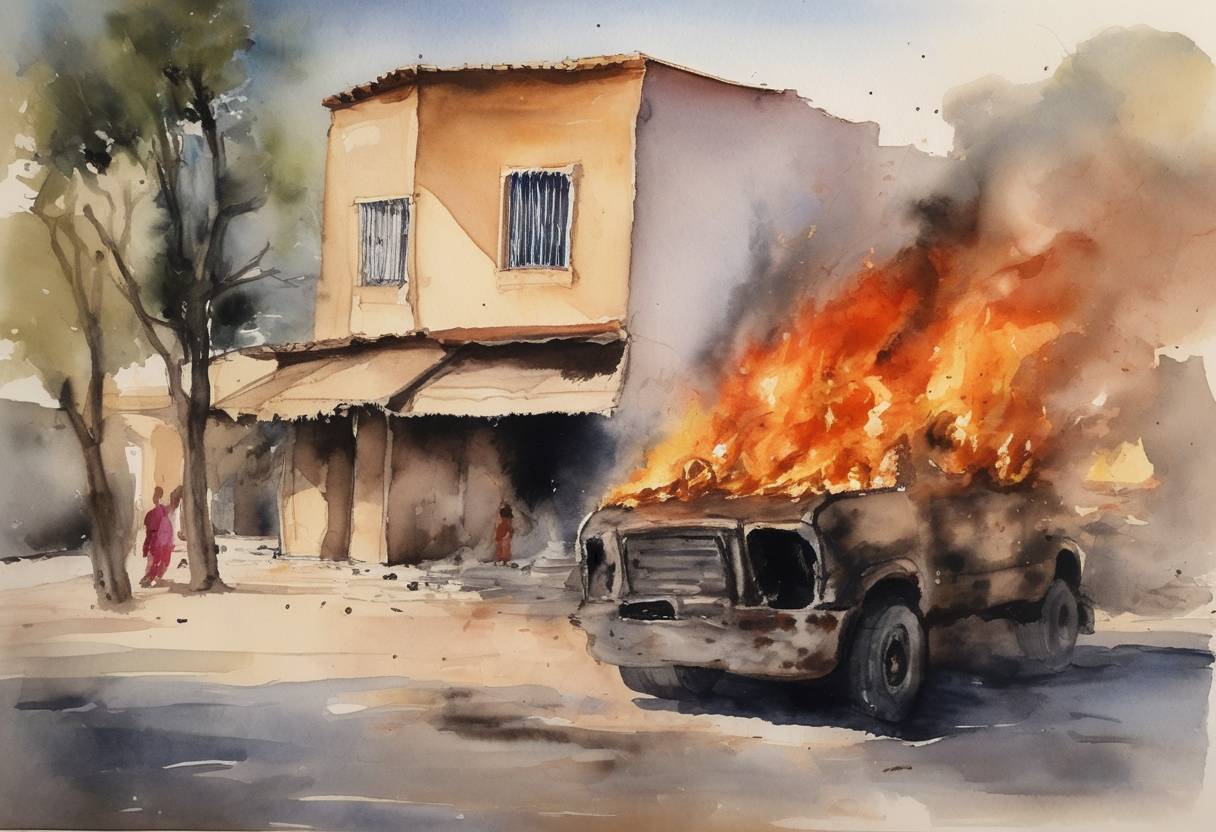
On December 17, 2010, Mohamed Bouazizi, a 26-year-old street vendor, set himself on fire in the town of Sidi Bouzid, Tunisia. His act was in protest against the corruption and ill-treatment he faced from local authorities. Bouazizi’s self-immolation is widely credited as the catalyst that sparked the Tunisian Revolution, leading to widespread protests across the Arab world, commonly known as the Arab Spring.
Mohamed Bouazizi worked as a street vendor to support his family. On the morning of December 17, 2010, authorities confiscated his unlicensed vegetable cart, alleging it was part of ongoing harassment by local officials. Bouazizi’s attempts to seek recourse were reportedly met with humiliation and bureaucratic disregard, fueling his frustration.
In a desperate act to draw attention to the injustice he suffered, Bouazizi set himself on fire in front of the local governor’s office. He was severely burned and died on January 4, 2011, succumbing to his injuries.
Bouazizi’s self-immolation ignited protests in Sidi Bouzid, which quickly spread across Tunisia. The demonstrations, driven by public outrage over unemployment, poor living conditions, and government corruption, eventually led to the resignation of President Zine El Abidine Ben Ali, who fled to Saudi Arabia on January 14, 2011.
The Tunisian Revolution was the first successful uprising of the Arab Spring and inspired a wave of protests and revolutions throughout the Middle East and North Africa. Countries such as Egypt, Libya, Yemen, Syria, and Bahrain experienced significant protests or government changes, although with varying outcomes.
Mohamed Bouazizi became a symbol of resistance against oppression, and his sacrifice highlighted the power of individual protest against systemic injustice. The events following December 17, 2010, demonstrated the profound impact of public disenfranchisement and the desire for political reform across the region.
Source: www.bbc.com