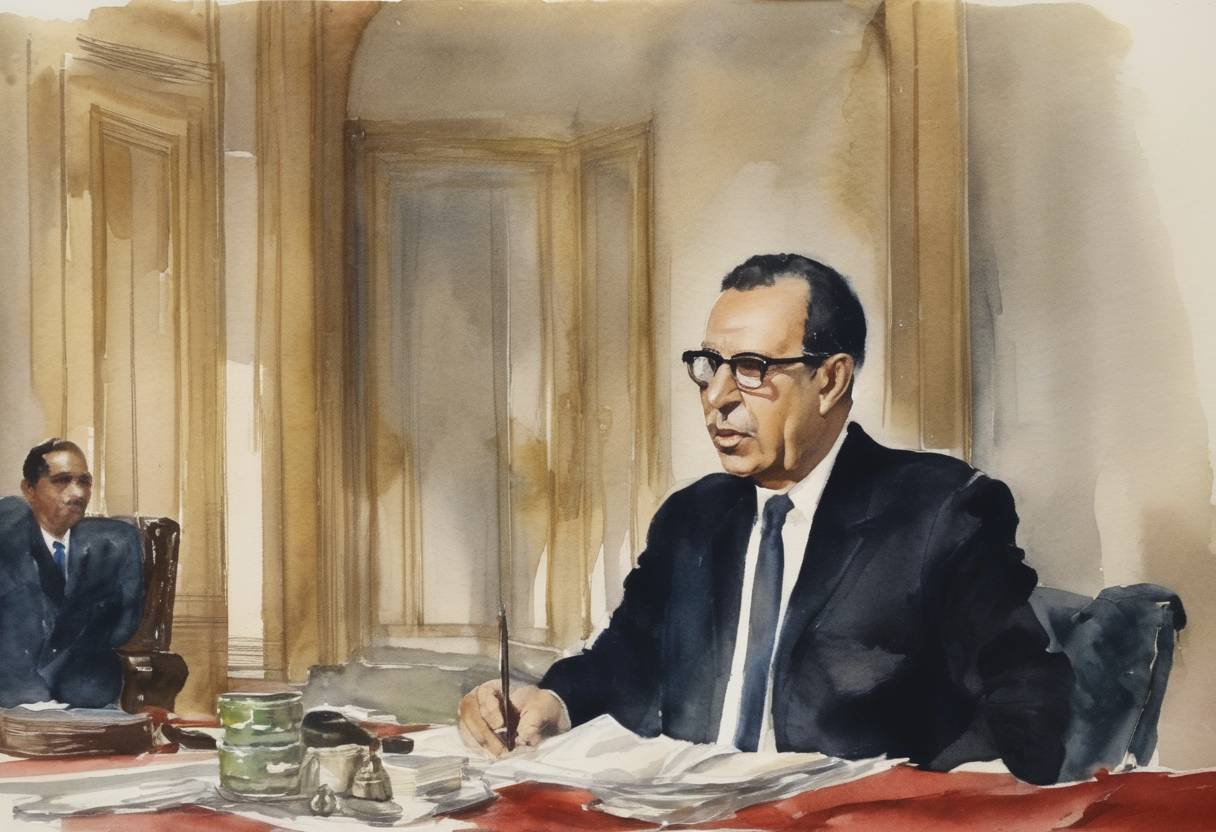
On September 25, 1962, the People’s Democratic Republic of Algeria was formally declared, marking a significant moment in the nation’s history as it emerged as an independent state after over 130 years of French colonial rule. This proclamation followed a bloody and protracted war of independence, fought between the Algerian National Liberation Front (FLN) and France, which began in 1954 and concluded in 1962.
Context and Key Events Leading Up to the Declaration
The struggle for Algerian independence was characterized by widespread violence, guerrilla warfare, and significant loss of life. The FLN, a nationalist movement aimed at securing independence, played a pivotal role throughout the conflict. In March 1962, the Evian Accords were signed between the French government and the FLN, bringing an official end to the hostilities and establishing a ceasefire. The Accords paved the way for a referendum held in July 1962, where an overwhelming majority of Algerians voted in favor of independence.
The Proclamation and Appointment of Ferhat Abbas
The formal declaration of the People’s Democratic Republic of Algeria was a culmination of these efforts. On September 25, the new Algerian government was constituted, and Ferhat Abbas was appointed as the first President of Algeria. Abbas was a prominent political figure and a moderate leader within the FLN, previously serving as the head of the Provisional Government of the Algerian Republic (GPRA), a government-in-exile representing Algeria during the war.
Historical Significance and Aftermath
This event marked the end of colonial dominance in Algeria and was a significant achievement for anti-colonial movements across Africa and the world. Algeria became a symbol of successful resistance against colonial powers, inspiring other nations in their quests for independence. The path ahead, however, was fraught with challenges, as newly independent Algeria faced internal conflicts between different factions within the FLN and had to navigate economic reconstruction and political consolidation.
The appointment of Ferhat Abbas and the establishment of the People’s Democratic Republic of Algeria paved the way for nation-building and set the stage for subsequent political developments in the country. Despite turbulence and the eventual emergence of autocratic rule under Ahmed Ben Bella and later leaders, the declaration of independence remains a pivotal milestone in Algerian history.
Conclusion
The formal declaration of the People’s Democratic Republic of Algeria on September 25, 1962, represents a landmark event in the nation’s journey to self-determination. It stands as a testament to the resilience and determination of the Algerian people in their fight for independence, shaping the national identity and future of Algeria.