The Incorporation of The American Birth Control League
1922 · New York City, United States
The American Birth Control League, which later became Planned Parenthood, was incorporated by Margaret Sanger in New York City.
October 16, 1916
Margaret Sanger opened the first birth control clinic in the United States in Brooklyn, New York, which led to her arrest for distributing information on contraception.
Brooklyn, United States
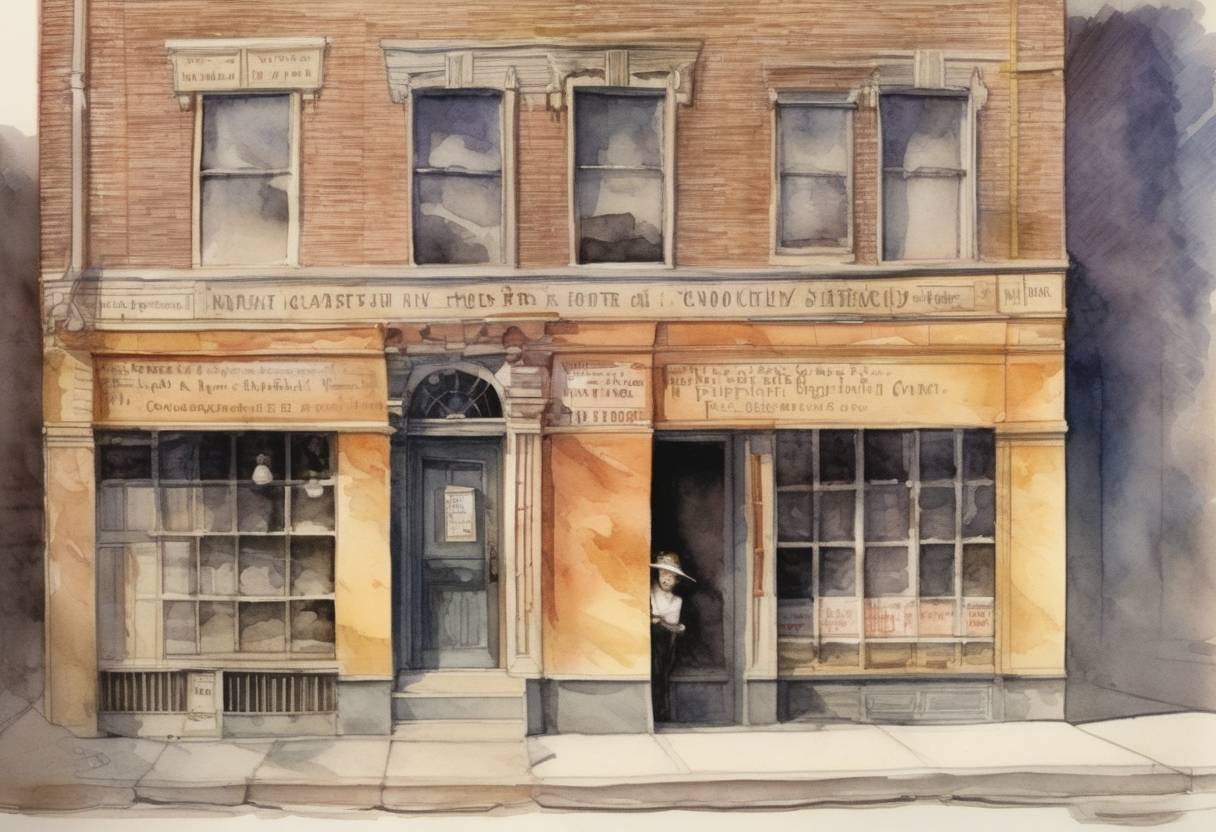
On October 16, 1916, Margaret Sanger, a pioneering advocate for women’s reproductive rights, opened the first birth control clinic in the United States. Located in the Brownsville neighborhood of Brooklyn, New York, this clinic marked a significant moment in the history of reproductive health and women’s rights.
Margaret Sanger was a nurse and activist who became increasingly concerned about the impact of frequent childbirth, miscarriages, and self-induced abortions on women’s health, particularly among the poor. Influenced by her work in New York City’s Lower East Side, Sanger believed that access to contraception was essential for women’s liberation and health.
In 1914, Sanger began publishing “The Woman Rebel,” a newsletter advocating for birth control, which led to her indictment under the Comstock Act of 1873. This federal law prohibited the distribution of obscene materials, which included information on contraception. To avoid prosecution, Sanger fled to Europe, where she further studied birth control methods.
Upon her return to the United States, Sanger, along with her sister Ethel Byrne and fellow activist Fania Mindell, opened the clinic at 46 Amboy Street. The clinic aimed to provide women with information and access to contraceptive methods, primarily focusing on the underserved immigrant population.
The clinic was staffed by women and offered services for a nominal fee. It quickly attracted attention, drawing hundreds of women seeking advice and assistance.
Just nine days after opening, on October 26, 1916, the clinic was raided by the police. Sanger, Byrne, and Mindell were arrested and charged with violating the Comstock laws. Sanger’s arrest brought significant public attention to the issue of birth control.
Sanger used her trial as a platform to advocate for women’s rights to access contraception. Although she was convicted and served 30 days in a workhouse, the trial helped galvanize public support for the birth control movement.
The closure of the clinic and Sanger’s subsequent legal battles highlighted the need for reform in laws governing reproductive health. Sanger continued her advocacy, founding the American Birth Control League in 1921, which later became Planned Parenthood Federation of America.
Her efforts contributed to the gradual shift in public opinion and policy regarding birth control. In 1936, a significant legal victory was achieved when the U.S. Court of Appeals ruled that physicians could legally import and prescribe contraceptive devices, effectively weakening the Comstock laws.
Margaret Sanger’s work laid the foundation for modern reproductive rights, emphasizing the importance of women’s autonomy over their own bodies. Her legacy continues to influence discussions on reproductive health and rights today.
Source: en.wikipedia.org