Rishi Sunak Becomes Prime Minister of the United Kingdom
2022 · London, United Kingdom
Rishi Sunak becomes the Prime Minister of the United Kingdom, the first person of Indian descent to hold the office.
September 6, 2022
Liz Truss was appointed as the Prime Minister of the United Kingdom, succeeding Boris Johnson.
London, United Kingdom | UK Government
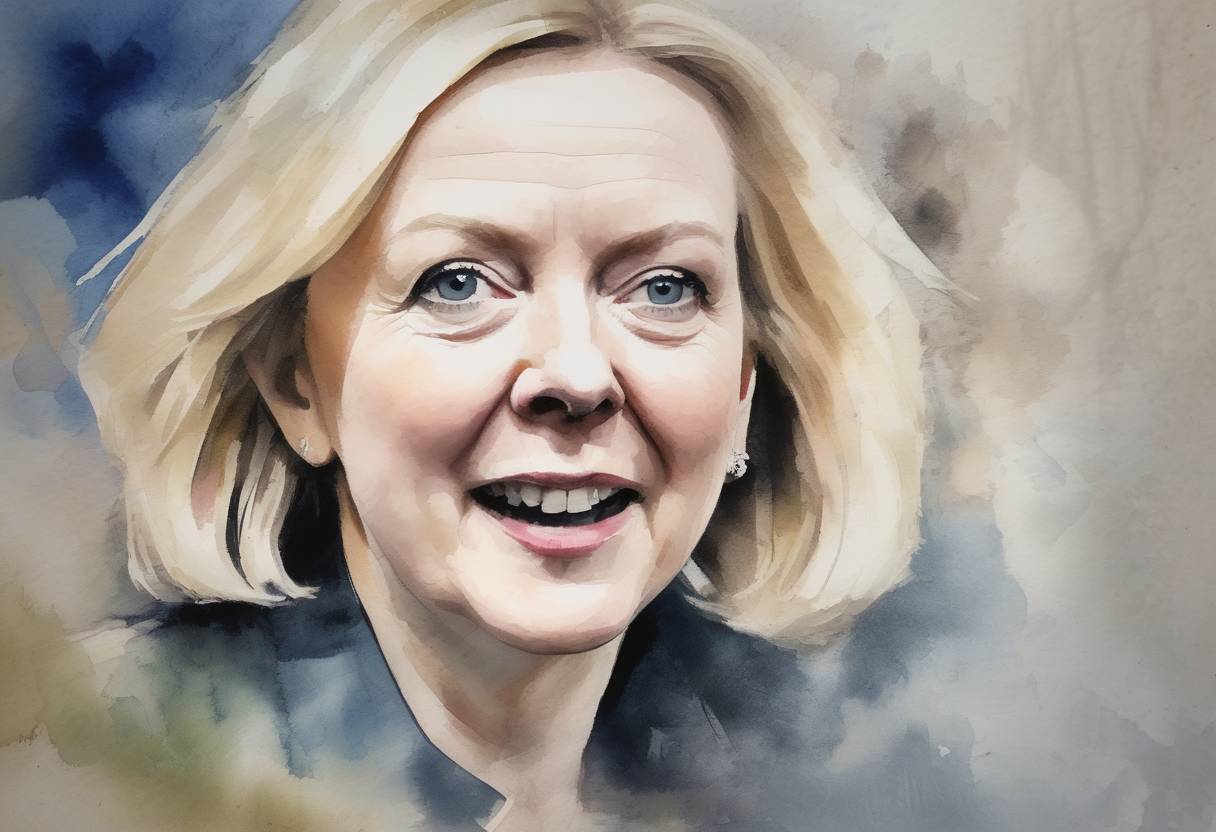
On September 6, 2022, Elizabeth Truss, commonly known as Liz Truss, was appointed as the Prime Minister of the United Kingdom. She succeeded Boris Johnson, becoming the leader of the Conservative Party and the third female Prime Minister in British history, following Margaret Thatcher and Theresa May.
Boris Johnson’s Resignation: Boris Johnson announced his resignation as the leader of the Conservative Party on July 7, 2022, following a series of controversies and political pressure from within his party. His tenure was marked by significant events, including Brexit negotiations and the COVID-19 pandemic.
Conservative Party Leadership Election: The leadership contest to replace Johnson saw several candidates vying for the position. Liz Truss emerged as a leading contender, ultimately defeating Rishi Sunak, the former Chancellor of the Exchequer, in the final round of voting by Conservative Party members.
Campaign Promises: During her leadership campaign, Truss focused on economic policies, promising tax cuts and measures to address the cost-of-living crisis. Her platform appealed to the Conservative Party’s base, emphasizing free-market principles and deregulation.
Party Support: Truss garnered significant support from Conservative Party members, securing 57.4% of the vote in the final round against Sunak’s 42.6%. Her victory was announced on September 5, 2022.
Historical Context: Liz Truss’s appointment as Prime Minister marked a continuation of female leadership within the Conservative Party, highlighting the party’s evolving dynamics and the increasing role of women in British politics.
Economic Challenges: Truss assumed office during a period of economic uncertainty, with rising inflation and energy prices posing significant challenges. Her policies aimed to stimulate economic growth and provide relief to households.
Foreign Policy: As a former Foreign Secretary, Truss brought experience in international relations to her premiership. Her tenure was expected to focus on strengthening the UK’s global position post-Brexit.
Short Tenure: Liz Truss’s time as Prime Minister was notably brief. Her economic policies, particularly the proposed tax cuts, faced criticism and led to financial market instability. This resulted in her resignation on October 20, 2022, making her the shortest-serving Prime Minister in UK history.
Legacy: Truss’s brief leadership highlighted the challenges of implementing significant economic reforms amidst political and economic pressures. Her resignation paved the way for Rishi Sunak to become Prime Minister, marking another shift in the UK’s political landscape.
Liz Truss’s appointment and subsequent resignation underscore the complexities of political leadership during turbulent times, reflecting broader themes of governance, economic policy, and party dynamics in the UK.
Source: www.bbc.com