Execution of King Louis XVI of France
1793 · Paris, France
King Louis XVI of France was executed by guillotine in Paris, marking a pivotal moment in the French Revolution.
June 21, 1791
King Louis XVI of France and his family were captured at Varennes-en-Argonne during an attempt to flee Paris.
Varennes-en-Argonne, France | French Monarchy
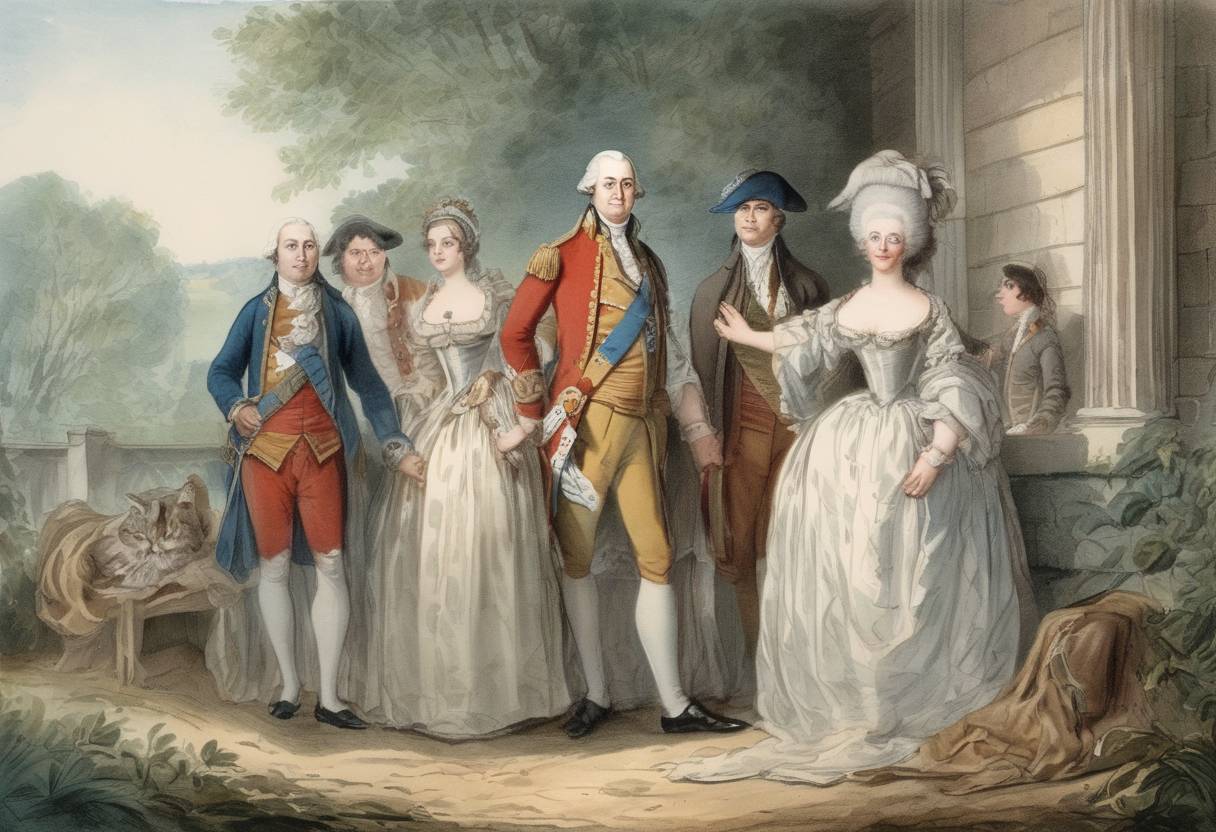
On June 21, 1791, King Louis XVI of France and his family were captured at Varennes-en-Argonne during a failed attempt to escape Paris. This event, known as the Flight to Varennes, was a pivotal moment in the French Revolution, significantly impacting the monarchy’s fate and the revolution’s trajectory.
The French Revolution, which began in 1789, had dramatically altered the political landscape of France. The monarchy’s power was increasingly challenged, and King Louis XVI found himself in a precarious position. The royal family was effectively prisoners in the Tuileries Palace in Paris, as revolutionary fervor grew and the king’s authority waned.
Amidst growing unrest and the radicalization of revolutionary forces, Louis XVI and his advisors believed that fleeing Paris and seeking refuge in a more royalist-friendly region could allow him to regain control and negotiate from a position of strength. The plan was to reach Montmédy, a fortress town near the northeastern border of France, where royalist troops were stationed.
On the night of June 20, 1791, the royal family, disguised and traveling incognito, left the Tuileries Palace. They were accompanied by a small entourage, including the king’s sister, Madame Élisabeth, and their children. The escape was meticulously planned, but several factors contributed to its failure:
The royal family reached the town of Varennes-en-Argonne late on June 21. However, by this time, the alarm had been raised, and local officials stopped them. The family was detained and eventually forced to return to Paris under guard, amidst jeering crowds.
The Flight to Varennes had profound consequences:
The Flight to Varennes remains a symbol of the deep divisions and dramatic shifts of the French Revolution, illustrating the complex interplay of power, fear, and revolutionary zeal that defined this turbulent period.
Source: www.britannica.com