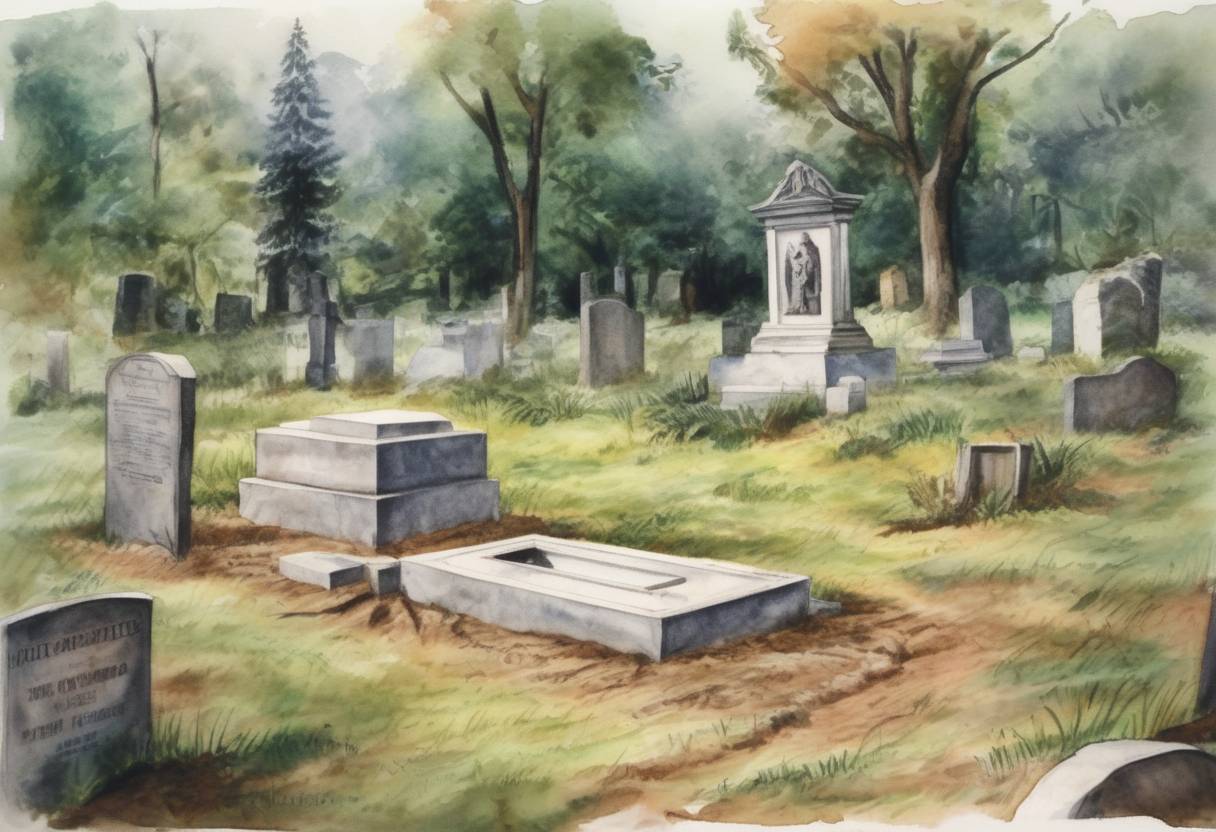
Discovery of Dr. Josef Mengele’s Grave in Embu, Brazil
On June 6, 1985, the grave of Dr. Josef Mengele, a notorious Nazi war criminal, was discovered in Embu, Brazil. Mengele, often referred to as the “Angel of Death,” was a physician at Auschwitz concentration camp during World War II, where he conducted inhumane medical experiments on prisoners, particularly twins.
Background
- Josef Mengele: Born on March 16, 1911, in Günzburg, Germany, Mengele joined the Nazi Party in 1937 and the SS in 1938. He earned a doctorate in anthropology and medicine, which he later used to justify his cruel experiments at Auschwitz.
- Post-War Escape: After the war, Mengele evaded capture by using false identities and fleeing Europe. He initially hid in Germany before escaping to South America in 1949, where he lived in Argentina, Paraguay, and finally Brazil.
Discovery of the Grave
- Alias: Mengele lived under the alias “Wolfgang Gerhard” during his time in Brazil. This name was borrowed from an Austrian Nazi sympathizer whose identity Mengele assumed.
- Death and Burial: Mengele died on February 7, 1979, from a stroke while swimming in Bertioga, Brazil. He was buried under the name Wolfgang Gerhard in a cemetery in Embu, a suburb of São Paulo.
- Identification: The grave’s discovery in 1985 was a result of a coordinated investigation by West German, Israeli, and American authorities, who had been tracking Mengele for years. Forensic experts exhumed the remains, and subsequent DNA testing confirmed the identity as Josef Mengele.
Aftermath and Historical Significance
- Global Reaction: The confirmation of Mengele’s death brought closure to many Holocaust survivors and victims’ families who had long sought justice. However, it also highlighted the challenges of post-war justice and the ability of many Nazis to evade capture.
- Legacy: Mengele’s life and crimes continue to serve as a stark reminder of the atrocities committed during the Holocaust and the importance of remembering history to prevent future genocides.
The discovery of Mengele’s grave marked the end of a long and elusive manhunt, closing a dark chapter in history while underscoring the ongoing pursuit of justice for war crimes.