Cyclone Idai: Landfall and Aftermath
2019 · Beira, Mozambique
Cyclone Idai made landfall near Beira, Mozambique, causing widespread destruction and leading to a humanitarian crisis.
March 20, 2019
Cyclone Idai makes landfall in Mozambique, causing widespread devastation and leading to a humanitarian crisis in Mozambique, Zimbabwe, and Malawi. The cyclone is considered one of the worst tropical cyclones to affect Africa and the Southern Hemisphere.
Beira, Mozambique | World Meteorological Organization
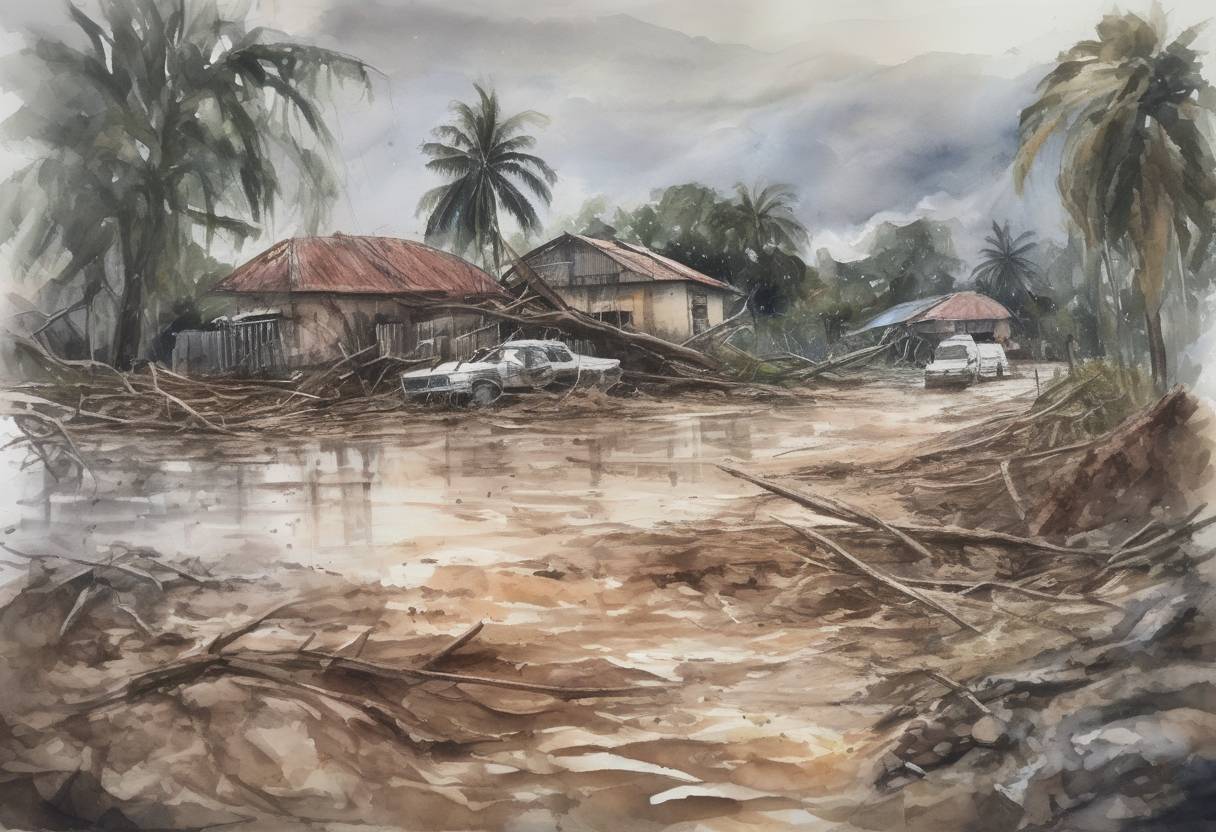
On March 20, 2019, Cyclone Idai made landfall near Beira, Mozambique, marking one of the most catastrophic tropical cyclones to ever affect Africa and the Southern Hemisphere. The cyclone’s impact was profound, leading to widespread devastation and a severe humanitarian crisis across Mozambique, Zimbabwe, and Malawi.
Cyclone Idai originated from a tropical depression that formed off the eastern coast of Mozambique on March 4, 2019. It initially moved inland, causing heavy rains and flooding in Mozambique and Malawi. The system then returned to the Mozambique Channel, where it intensified into a tropical cyclone. By March 14, Idai had strengthened into a Category 3 cyclone, with wind speeds reaching up to 195 km/h (120 mph).
The aftermath of Cyclone Idai led to a dire humanitarian situation:
Cyclone Idai highlighted the vulnerabilities of the affected regions to extreme weather events, exacerbated by climate change. It underscored the need for improved infrastructure, early warning systems, and disaster preparedness to mitigate the impacts of such natural disasters in the future.
The cyclone’s devastation also prompted discussions on climate resilience and the importance of international cooperation in addressing the challenges posed by climate change, particularly for developing nations.
In summary, Cyclone Idai’s landfall on March 20, 2019, was a tragic event that had lasting impacts on Mozambique, Zimbabwe, and Malawi, serving as a stark reminder of the destructive power of natural disasters and the urgent need for comprehensive disaster management strategies.
Source: en.wikipedia.org