Iranian Presidential Election of June 12, 2009
2009 · Tehran, Iran
The Iranian presidential election was held, leading to widespread protests and allegations of electoral fraud.
February 14, 1989
Iran's Ayatollah Ruhollah Khomeini issued a fatwa calling for the death of British author Salman Rushdie and his publishers for the novel 'The Satanic Verses', which was considered blasphemous by many Muslims.
Tehran, Iran
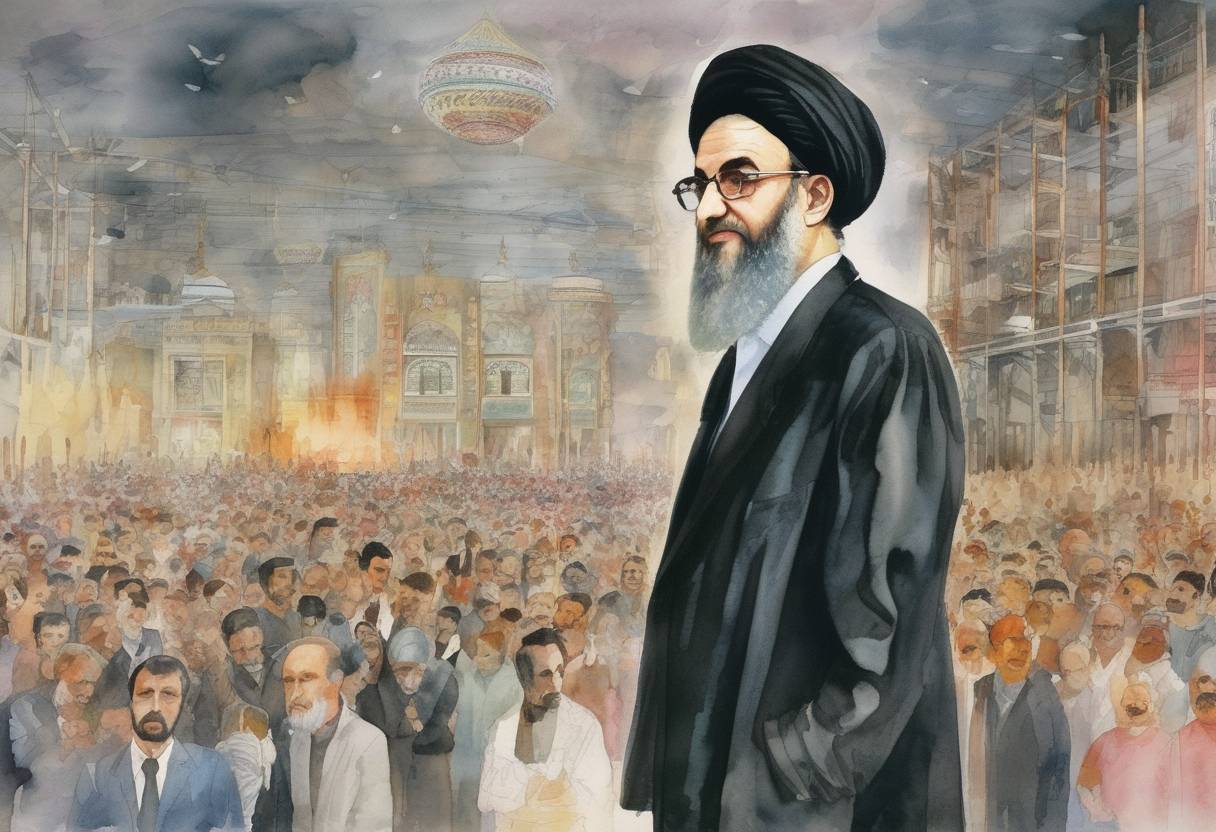
On February 14, 1989, Ayatollah Ruhollah Khomeini, the Supreme Leader of Iran, issued a fatwa calling for the death of British author Salman Rushdie and his publishers. This decree was in response to Rushdie’s novel, The Satanic Verses, which many Muslims considered blasphemous due to its portrayal of the Prophet Muhammad and its perceived irreverence towards Islamic beliefs.
Publication of *The Satanic Verses*: Salman Rushdie’s novel was published in September 1988. It quickly became controversial due to its narrative, which some Muslims felt insulted Islam and the Prophet Muhammad. The book’s title refers to an incident in Islamic tradition, which some interpret as the Prophet being momentarily deceived by Satan.
Initial Reactions: The novel sparked protests across the Muslim world. In countries like India, Pakistan, and South Africa, the book was banned. Demonstrations sometimes turned violent, with notable incidents including the burning of the book in public.
Issuance by Ayatollah Khomeini: On February 14, 1989, Khomeini issued a fatwa via Radio Tehran. He declared that Rushdie and those involved in the publication of The Satanic Verses were sentenced to death. Khomeini’s decree was based on the belief that the book was an affront to Islam, and he called upon Muslims worldwide to execute the sentence.
Global Impact: The fatwa had immediate and far-reaching consequences. It led to widespread protests and violence, including attacks on bookstores and translators associated with the book. The Japanese translator of the novel, Hitoshi Igarashi, was murdered in 1991, and other translators and publishers faced assassination attempts.
Rushdie’s Life in Hiding: Following the fatwa, Salman Rushdie went into hiding under police protection. He lived under an assumed identity for several years, facing constant threats to his life.
Diplomatic Tensions: The fatwa strained Iran’s relations with Western countries, particularly the United Kingdom. Diplomatic ties between the UK and Iran were severed for a period, and the incident highlighted the cultural and political tensions between the Islamic world and the West.
Ongoing Controversy: Despite attempts to resolve the situation, the fatwa was never formally rescinded. In 1998, the Iranian government distanced itself from the fatwa, stating it would not support any attempts to carry it out, but the decree technically remains in place.
The fatwa against Salman Rushdie underscored the deep cultural and religious divides between the Islamic world and the West. It highlighted issues of freedom of expression, religious sensitivity, and the power of literature to provoke intense reactions. The incident remains a pivotal moment in discussions about the limits of free speech and the impact of religious edicts on global politics.
Source: en.wikipedia.org