End of the Ebola Outbreak in the Democratic Republic of the Congo - July 13, 2018
2018 · Kinshasa, Democratic Republic of the Congo
The World Health Organization declared the end of the Ebola outbreak in the Democratic Republic of the Congo.
May 16, 2020
The World Health Organization declares the Democratic Republic of the Congo's Ebola outbreak over, marking the end of the second-largest Ebola outbreak in history.
Kinshasa, Democratic Republic of the Congo | World Health Organization
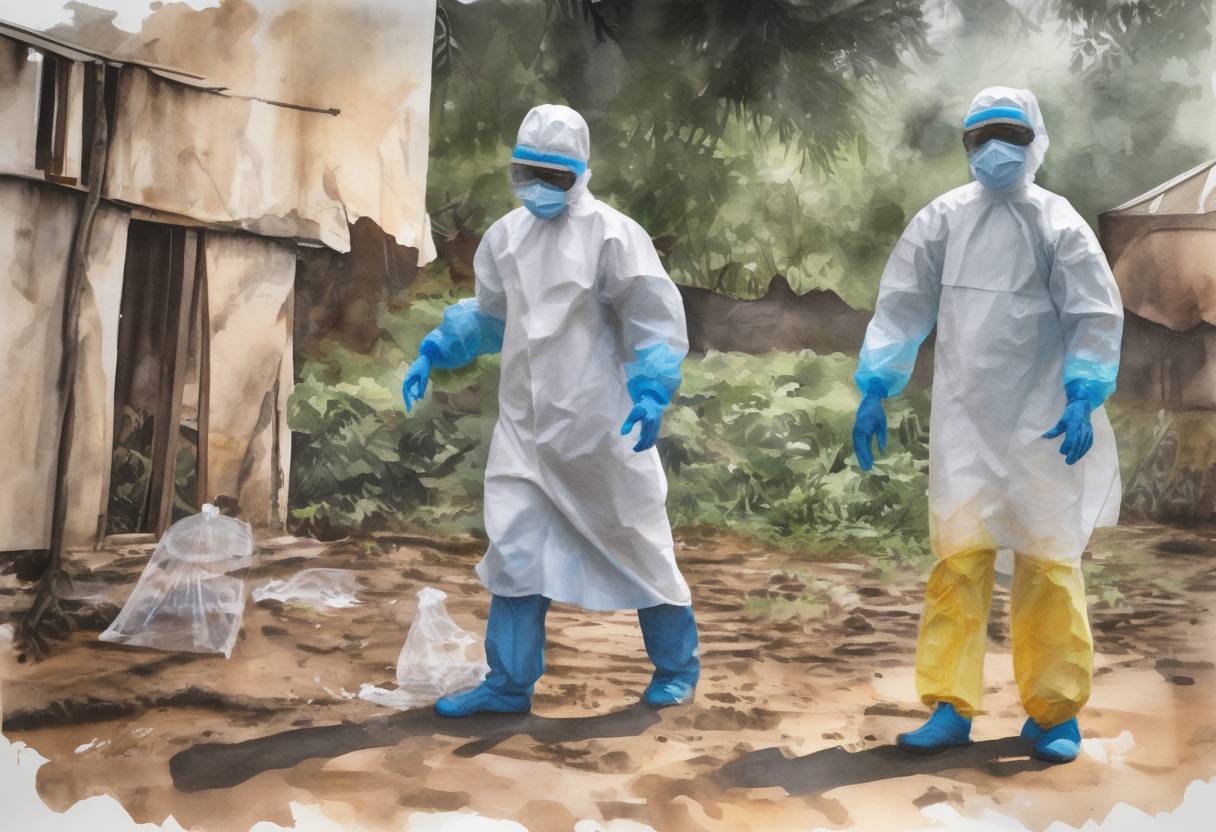
On May 16, 2020, the World Health Organization (WHO) declared the end of the Ebola outbreak in the Democratic Republic of the Congo (DRC), marking the conclusion of the second-largest Ebola outbreak in history. This declaration was a significant milestone in global health efforts, following nearly two years of intense and challenging work to contain the virus.
The Ebola outbreak in the DRC began in August 2018 in the North Kivu province and quickly spread to the Ituri province. This outbreak was particularly challenging due to several factors:
International Collaboration: The response involved a coordinated effort between the DRC government, WHO, international partners, and local communities. This collaboration was crucial in deploying resources and expertise to manage the outbreak.
Vaccination Campaigns: The use of the rVSV-ZEBOV vaccine played a pivotal role in controlling the spread. Over 300,000 people were vaccinated, including frontline workers and those at high risk.
Innovative Treatments: The outbreak saw the deployment of experimental treatments, such as monoclonal antibodies, which improved survival rates for those infected.
Strengthened Surveillance: Enhanced surveillance and rapid response teams were established to quickly identify and isolate new cases, preventing further transmission.
The declaration of the outbreak’s end was a testament to the resilience and dedication of health workers and the affected communities. However, the outbreak left a lasting impact:
The end of the DRC’s Ebola outbreak in 2020 highlighted the progress made in combating one of the world’s most deadly diseases. It demonstrated the effectiveness of vaccines and treatments developed since the West African Ebola outbreak of 2014-2016, which was the largest in history. The lessons learned from this outbreak continue to inform global health strategies and responses to emerging infectious diseases.
In conclusion, the WHO’s declaration on May 16, 2020, was a significant achievement in the fight against Ebola, showcasing the power of international cooperation, scientific advancement, and community engagement in overcoming public health challenges.
Source: www.who.int