Adoption of the Interim Constitution of India
1946 · New Delhi, India
The Interim Constitution of India is adopted, outlining the Indian government structure before the full Constitution is enacted.
February 10, 1931
New Delhi was officially inaugurated as the capital city of India, designed by British architects Edwin Lutyens and Herbert Baker during the colonial era. This marked a significant transition in India's urban and administrative landscape.
New Delhi, India | British Colonial Administration
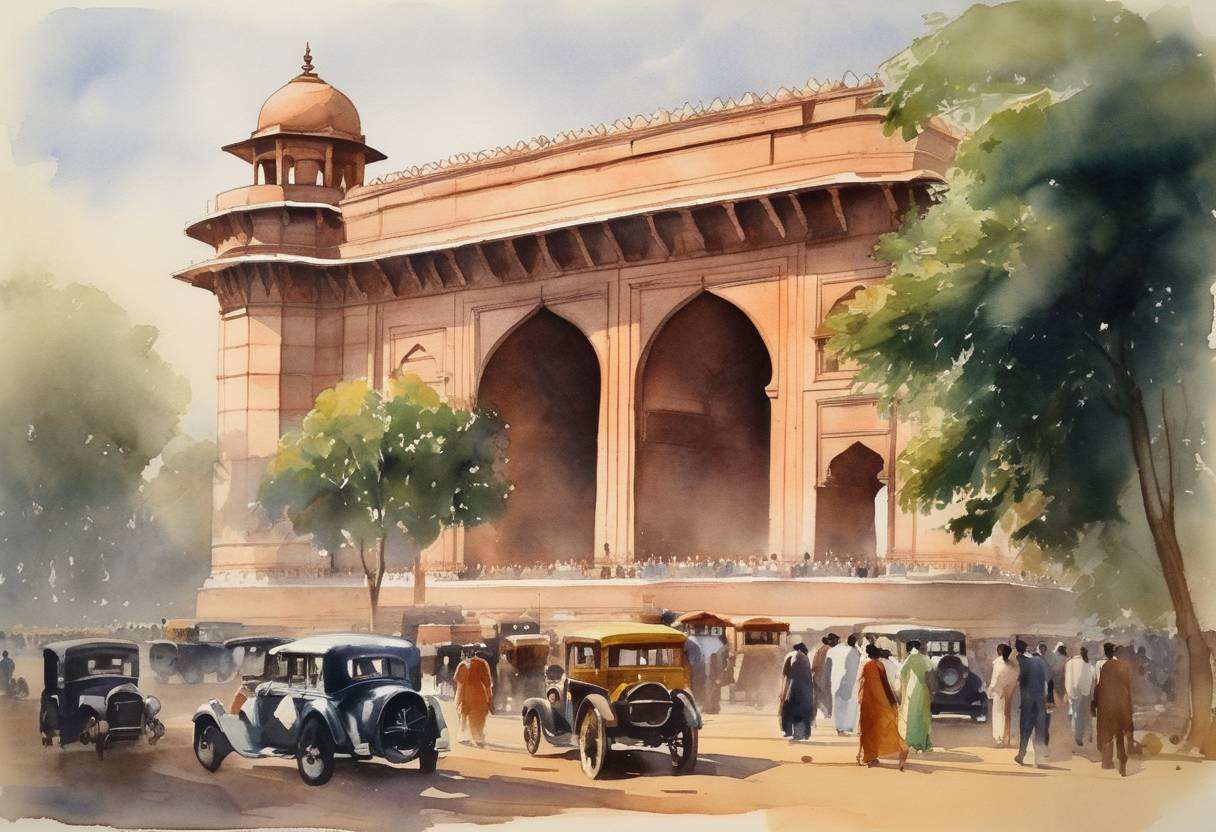
On February 10, 1931, New Delhi was officially inaugurated as the capital city of India, a pivotal moment marking a significant transition in India’s urban and administrative landscape. This event was a culmination of meticulous planning and architectural brilliance, crafted during the British colonial era by architects Edwin Lutyens and Herbert Baker.
Decision Shift: The decision to transfer the capital from Calcutta (now Kolkata) to Delhi was made during the Delhi Durbar of 1911, attended by King George V and Queen Mary. This move was intended to symbolize British power and reflect the importance of Delhi as a historical and strategic center.
Architectural Vision: Edwin Lutyens and Herbert Baker were appointed to design the new capital. Lutyens, known for his neoclassical style, took charge of the overarching city plan and major government buildings. Baker contributed with the design of key structures such as the Secretariats and the iconic Viceroy’s House (now Rashtrapati Bhavan).
New Delhi’s founding as the capital of India is a testament to the architectural prowess of the era and a pivotal point in India’s history, profoundly influencing its path to modernity and independence.
Source: en.wikipedia.org